In 2026, choosing the right Welding Wire Drum Packaging Machine will depend on more than speed. Manufacturers must match the machine with wire diameter, drum size, filling weight, and factory conditions. A compact workshop may need a semi-automatic system. A large welding-wire plant may require automatic weighing, filling, sealing, labeling, and palletizing.
Dr. Duane K. Miller, a respected welding engineer, offers a practical principle: “Control the process, and quality follows.” This idea applies directly to drum packaging. Accurate tension prevents loose layers. Stable weighing protects product consistency. Clean sealing helps reduce moisture exposure during storage and transport. Even a small alignment error can create uneven winding, damaged flanges, or rejected drums.
The main 2026 machine types include automatic drum filling systems, semi-automatic packaging lines, stretch-film wrapping machines, paper or carton drum packers, and integrated systems with inspection controls. Each option solves a different production problem. Automation is not always better. Sometimes, it adds cost without improving the actual bottleneck.
Look closely.
A reliable Welding Wire Drum Packaging Machine should support repeatable tension, precise quantity control, safe operation, and easy maintenance. Sensors should detect missing wire, incorrect weight, and packaging faults. Operators also need clear access to changeovers and cleaning points. These practical details are often overlooked.
This outline explores the best machine types for 2026. It also considers output, labor, packaging materials, floor space, and long-term reliability. The final choice may not be the most advanced machine. It should be the one that consistently protects wire quality under real production pressure. Even experienced buyers can misjudge this balance.
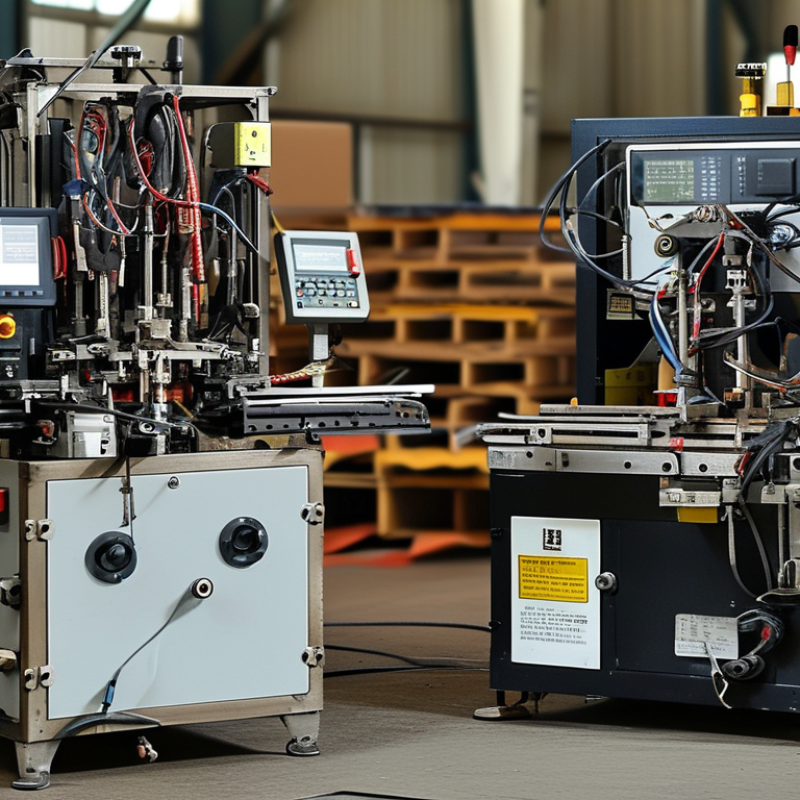
Welding wire drum packaging protects wire geometry, surface condition, and traceability during storage and transport.
World Steel Association data recorded about 1.84 billion tonnes of crude steel production in 2024. That scale creates constant demand for stable welding consumables and dependable packaging systems.
The drum usually includes a rigid shell, reinforced rim, central hub, and controlled wire guides. The machine must wind wire evenly, maintain tension, and prevent edge collapse. It also needs accurate weighing and reliable batch marking.
ISO 544:2017 defines dimensions and classifications for welding consumables, so drum design should match wire diameter, material, and application. A poor fit can cause unwinding resistance.
Small-diameter wires often suit servo-controlled winding machines. Larger drums may require stronger frames and hydraulic lifting units. Automatic lines can combine forming, filling, weighing, sealing, and labeling.
Semi-automatic machines cost less, but they depend more heavily on operator skill. That difference matters.
Reports from the International Federation of Robotics show continuing automation growth in manufacturing, yet packaging automation is not automatically better.
Sensors may detect tension changes, but dusty workshops can reduce accuracy. Operators should inspect the hub, flange, and final winding pattern.
A visually neat drum can still contain hidden tension problems.
Main Types of Welding Wire Drum Packaging Machines
Welding wire drum packaging machines usually fall into three practical types. Automatic winding systems measure wire length, control tension, and fill drums with minimal operator handling. They suit high-volume production. Semi-automatic machines require manual drum loading but offer lower investment and easier product changeovers. Integrated lines add weighing, labeling, sealing, and pallet handling. These lines reduce repeated lifting around the filling station.
The International Federation of Robotics reported 541,302 industrial robots were installed worldwide in 2023. This figure supports the broader move toward automated material handling. However, automation alone does not guarantee stable packaging quality. A poorly aligned spool can create uneven layers, edge pressure, or loose wire loops. Vertical drum systems save floor space, while horizontal systems can simplify inspection and heavier drum movement. Selection depends on wire diameter, drum size, target output, and available labor.
Tips: Check tension control first. Ask for a real production trial using your wire and drum. Measure winding density, changeover time, noise, and rejected drums. PMMI industry reports repeatedly identify labor availability as a major reason for packaging automation. Still, a fully automatic line may be excessive for short runs. I have seen buyers focus on speed and overlook maintenance access. That mistake is costly. Leave room around sensors, guides, and sealing units. Also, document every setting before production begins.
The chart compares common welding wire drum packaging machine types by typical production throughput. Values represent practical industry ranges and can vary with drum size, wire diameter, film material, sealing method, and product configuration.
Manual machines are suitable for small-volume production, while semi-automatic systems improve consistency with moderate operator involvement. Fully automatic machines offer higher throughput and reduced manual handling. Integrated packaging lines are designed for continuous production and may combine weighing, drum forming, filling, sealing, labeling, and palletizing.
Automatic drum winding and packaging lines suit high-volume welding wire production. They feed the wire, control tension, wind each layer, cut the tail, close the drum, and print identification data. Servo-driven traverse systems help maintain even edges and stable winding density. World Robotics 2024 reported 541,302 industrial robots installed worldwide in 2023, a 10% year-on-year increase. That growth reflects stronger demand for repeatable automation. Speed is not everything. Poor tension control can still create loose layers, crossed wire, or damaged surfaces.
Semi-automatic drum packaging machines fit mixed orders and smaller production runs. An operator loads the empty drum, confirms the wire specification, and starts the winding cycle. The machine then controls rotation, length, and basic sealing. This arrangement reduces investment and makes format changes faster. However, manual loading can introduce inconsistent drum positioning and labeling errors. I would not ignore that weakness. PMMI’s recent packaging machinery industry reporting continues to identify labor availability and operator efficiency as important investment pressures. A clear work instruction and barcode verification can reduce avoidable mistakes.
Fully integrated lines add automatic drum loading, weighing, lid placement, strapping, palletizing, and traceability. They work well when every drum requires consistent documentation under ISO 544-based delivery practices. Sensors can reject underweight drums before shipment. The operator still matters. A sensor may detect a missing label, but it cannot explain why wire tension changed during a shift. In real factories, the best machine type depends on batch size, drum material, wire diameter, changeover frequency, and required inspection records. That gap matters.
Choosing a welding wire drum packaging machine in 2026 requires more than comparing speed figures. The critical question is whether the machine protects wire quality during winding, weighing, sealing, and storage. Look for stable tension control, adjustable traverse movement, and a rigid drum fixture. These features reduce loose layers, edge damage, and uneven drum weight. A clear diameter range matters. The machine should handle your actual wire sizes, not only a laboratory sample.
When comparing models, inspect the dosing and weighing system closely. A reliable load cell should maintain repeatable net weight across multiple drums. Ask for test records using your wire, drum material, and target production speed. Sensor feedback can detect wire breaks, overfill, missing lids, and poor sealing. That evidence is more useful than a polished brochure. Controls should offer recipe storage, alarms, access levels, and production data export. These tools support traceability and make operator training less dependent on memory.
Changeover time also deserves a stopwatch. Quick adjustments are valuable when orders require different drum dimensions. Check guarding, emergency stops, dust control, and safe access for cleaning. Maintenance is often underestimated; accessible bearings and standard wear parts can prevent long interruptions. In practice, no machine wins every test. A faster unit may lose precision, while a cheaper unit may demand more manual correction. I would allow small errors during the first trial, because real wire behaves differently from samples.
Selecting a welding wire drum packaging machine starts with wire diameter, not advertised speed. For 0.8–1.2 mm wire, a precision traverse-winding machine can maintain tighter layers and reduce tangling during feeding. Thicker 1.6 mm wire needs stronger tension control and a heavier drum structure. AWS A5.18 emphasizes controlled electrode classification and dimensions, so packaging accuracy directly supports consistent downstream welding performance.
Output changes the decision. A single-wire automatic packer suits moderate production and frequent product changes. A dual-station system can reduce loading delays when several drum sizes run daily. For high-volume plants, continuous winding with automatic drum exchange may be justified. The International Federation of Robotics reported 541,302 industrial robots installed worldwide in 2023, according to World Robotics 2024. Automation is clearly expanding, but full automation is not always the best answer.
Measure actual output first. Record kilograms per hour, average changeover time, rejected drums, and operator adjustments. A machine rated at 100 kg/h may perform poorly with unstable tension or uneven wire pay-off. I have seen production teams overvalue speed and underestimate drum handling. That mistake is expensive. Consider wire surface condition, lubrication residue, drum weight, and storage space. The right machine should protect wire quality while matching your real production rhythm, not an ideal factory schedule.
Automatic lines suit large, repeated orders. They feed, control tension, wind, cut, close, and identify each drum. Servo traverse systems keep edges even. Speed alone is not enough.
It fits mixed orders and smaller batches. An operator loads the empty drum and confirms the wire specification. The machine controls rotation, length, and basic sealing. Manual positioning can cause labeling errors.
It can load drums, weigh wire, place lids, strap packages, palletize, and record traceability data. Sensors may reject underweight drums or missing labels. Human checks still matter.
Start with the actual wire diameter. Fine wire needs precise traverse control to limit tangling. Thicker wire needs stronger tension control and a rigid drum fixture. Test different sizes.
Stable tension, adjustable traverse movement, and secure drum holding are essential. They reduce loose layers, crossed wire, and edge damage. Inspect the winding surface closely.
Record kilograms per hour, changeover time, rejected drums, and operator adjustments. A rated output may fall with uneven wire pay-off. Real production rhythm matters more. Not just speed.
Test the load cell across several drums. Look for repeatable net weight, alarms, recipe storage, access levels, and data export. Test records are more useful than polished promises.
Check guarding, emergency stops, dust control, cleaning access, bearings, and standard wear parts. Use a stopwatch during changeovers. Small delays accumulate. I may still underestimate maintenance.
A Welding Wire Drum Packaging Machine is designed to wind, organize, and protect welding wire inside drums for safe handling, storage, and transportation. Its main structure may include a wire feeding system, tension control unit, winding mechanism, drum positioning device, length or weight monitoring system, and sealing or labeling components. Depending on production requirements, manufacturers can choose from automatic, semi-automatic, vertical, horizontal, or customized machine types. Each design manages the packaging process differently, from manual drum loading and assisted winding to fully automated feeding, filling, sealing, and discharge.
When comparing welding wire drum machines, important factors include wire diameter compatibility, winding accuracy, speed, tension stability, drum capacity, changeover convenience, control functions, safety features, and maintenance requirements. The best choice depends on the required output, available floor space, packaging specifications, labor arrangement, and future production plans. A properly selected machine can improve wire presentation, reduce material waste, maintain consistent drum quality, and support a more efficient and reliable manufacturing process.

Orient PengSheng