How to Choose the Best Steel Wire Butt Welder for Your Needs?

Time:2026-08-28 Author:Oliver
0%

Choosing the right Steel Wire Butt Welder can significantly impact your welding projects. With various models and features available, it’s crucial to understand your specific needs. Are you focused on production efficiency, or do you prioritize portability? Each application demands different considerations.

When selecting a Steel Wire Butt Welder, evaluate factors like power settings and welding speed. A welder that works perfectly for one project may not suit another. It’s essential to assess the material types and thicknesses you plan to work with. User reviews can provide insights into reliability and performance, helping you make an informed choice.

While many options boast impressive specifications, not all live up to their promises. Some users may find their chosen welder lacks durability after prolonged use. Reflecting on past experiences can guide your decision, as understanding both strengths and weaknesses is vital. A well-rounded understanding of your welding needs ensures that you invest wisely in a Steel Wire Butt Welder.
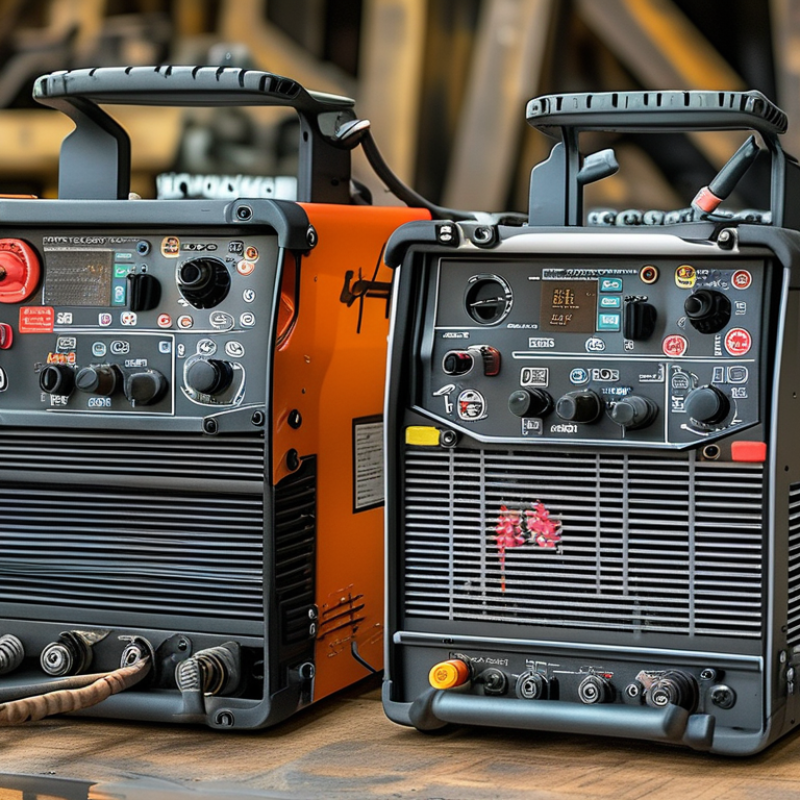
How to Choose the Best Steel Wire Butt Welder for Your Needs?

Understanding the Different Types of Steel Wire Butt Welders

When it comes to choosing a steel wire butt welder, understanding the types available is crucial. Butt welders typically fall into three primary categories: manual, semi-automatic, and fully automatic. Each type caters to different operational needs and production scales. According to industry data, manual welders account for about 30% of the market, favored for their lower cost and control in small operations. Semi-automatic machines, however, make up roughly 50% and are ideal for medium-scale production due to their balance of efficiency and control.

Fully automatic butt welders are increasingly popular, representing about 20% of the market. They offer high-speed and precision, reducing the likelihood of human error. This type is especially suitable for high-volume production environments where consistency is vital. However, they can require significant upfront investment and may necessitate specialized training for operators. Users must evaluate their production needs and capabilities carefully.

Despite the advantages, each welder type has potential drawbacks. For instance, while manual welders offer flexibility, they can be slow for large batches. Automated systems might lead to issues such as downtimes during setup or maintenance. Decision-making should incorporate production demands and long-term operational goals, ensuring the selected welder aligns with the specific business strategy. A thorough assessment of these factors can lead to more effective investment in welding technology.

Evaluating Key Features and Specifications for Your Welding Needs

When selecting a steel wire butt welder, it's essential to evaluate its key features and specifications. Start by considering the power capacity. A higher wattage often translates to better performance. Look for models that provide adjustable settings. This feature allows for versatility in different welding tasks. Pay attention to the welding speed as well. Faster options can enhance productivity, but they must also ensure quality welds.

Next, examine the build quality of the welder. Durable materials extend the lifespan of the equipment. Also, consider the ease of use. An intuitive interface can significantly improve your workflow. Some machines may seem user-friendly at first, but can become complicated. Reflect on your skill level and the complexity of your projects. It’s also wise to check for safety features. Overheating protection and automatic shut-off systems are vital for safe operation.

Finally, think about the support and resources available. Research forums or online communities where users share experiences. These insights can prove invaluable when troubleshooting or learning new techniques. Remember, no machine is perfect. Every welder has its quirks. Being aware of potential drawbacks can help you make a more informed decision.

Key Features Comparison of Steel Wire Butt Welders

This chart compares key specifications of various steel wire butt welders, including maximum welding current, welding speed, weight, power consumption, and price. Understanding these features can help you choose the best welder for your specific needs.

Assessing Your Project Requirements and Material Compatibility

When selecting a steel wire butt welder, it's crucial to assess your project requirements and material compatibility. Different projects demand different welding strengths and methods. For instance, if you're working on delicate metal sheets, a high-precision welder is essential. Consider the thickness and type of steel wire you'll use. This will directly impact the welder's settings and performance.

Material compatibility also plays a pivotal role in your decision. Not all welders can handle every type of steel wire. Ensure the welder you choose matches the specifications of your materials. For example, stainless steel requires a different approach than carbon steel. Look into whether your intended wire type can withstand the heat and pressure your projects demand.

Occasionally, welders may not perform as expected. Some may overheat or under-weld, leading to poor joint integrity. These issues highlight the need for careful evaluation of your needs. Ensure you understand the limitations of your chosen equipment. A reflective approach will enhance your overall welding quality and project success.

Comparing Brand Reputation and Customer Reviews for Welders

When selecting a steel wire butt welder, brand reputation and customer reviews play a crucial role. Research shows that about 70% of consumers trust online reviews as much as personal recommendations. This statistic highlights the importance of gathering insights from fellow users who have firsthand experience with welding equipment.

Consider looking for welders with a solid track record in the industry. One study found that trusted brands tend to have lower defect rates, averaging about 3% compared to 10% for lesser-known brands. Customer feedback often emphasizes durability and performance, key factors that can validate a brand’s claims.

Evaluate the overall sentiment of reviews. Positive feedback often highlights effective customer service and reliable warranties, while negative reviews may point to quality control issues or poor support. Welding professionals report that a welder's build quality significantly influences operational efficiency. These insights can guide your decision to ensure you select a machine that meets your welding needs without compromising on reliability.

Budget Considerations and Cost-Effectiveness of Steel Wire Welders

When selecting a steel wire butt welder, budget considerations are critical. A low initial cost might attract you. However, the long-term expenses can add up. Maintenance, energy consumption, and replacement parts can impact your budget significantly. It's wise to think about these aspects before making a decision.

To maximize cost-effectiveness, consider the welder's efficiency. A machine that minimizes energy use can save money over time. Look for models with programmable features. They might have a higher upfront cost but can lead to better savings in the long run. Researching expected lifespan and durability also pays off. A durable welder will reduce the need for replacements.

With cost in mind, it's essential to balance quality and price. Cheaper options may lack reliability and performance. Finding that sweet spot can be challenging. A well-informed decision requires careful evaluation of specifications and user feedback. Don’t hesitate to seek advice from experienced users. Their insights can help identify pitfalls and prevent costly mistakes. Take your time to compare different models and features. Making an informed choice will pay dividends.

FAQS

: What are the main types of steel wire butt welders?

: The main types are manual, semi-automatic, and fully automatic welders. Each serves different needs.

Why choose a manual welder?

Manual welders are cost-effective and provide good control for small operations but can be slow for larger batches.

What advantages do semi-automatic welders offer?

They balance efficiency and control, making them ideal for medium-scale production with better speed.

What are the benefits of fully automatic welders?

Fully automatic welders allow high-speed, precision work but require a high initial investment and training.

How does material compatibility affect welder selection?

Different materials require specific welding approaches. Ensure the welder matches the steel wire type you plan to use.

What should I consider regarding budget when buying a welder?

Initial cost is important, but long-term maintenance and energy use also impact your overall budget.

What are some common issues with welders?

Welders can overheat or under-weld, affecting joint integrity. This highlights the need for thorough evaluation.

How can I ensure cost-effectiveness in welding?

Look for efficient models that save energy over time. Factors like programmable features can aid in long-term savings.

What is the challenge in selecting a welder?

Balancing quality and price is challenging. Cheaper options can sometimes lack performance and reliability.

How can experience help in making a welder choice?

Seeking advice from experienced users can reveal pitfalls and help avoid costly decisions. Their insights are valuable.

Conclusion

When selecting the best Steel Wire Butt Welder for your needs, it is essential to understand the different types available and their respective functionalities. Evaluating key features such as power output, welding speed, and precision can greatly influence your decision. Additionally, assessing project requirements and material compatibility will ensure that the selected welder can effectively handle the specific demands of your work.

Another important consideration is the brand reputation, which can be gauged through customer reviews. This feedback often highlights the reliability and performance of various models in real-world applications. Finally, budget considerations play a crucial role in your choice; seeking a cost-effective Steel Wire Butt Welder that delivers quality results within your financial means is vital for long-term satisfaction and productivity.


Oliver

Oliver

Oliver is a seasoned marketing professional with a wealth of expertise in driving brand awareness and engagement. With a deep understanding of our company's product offerings, he consistently delivers high-quality content that enriches our professional blog. His insights not only shed light on......