When embarking on a welding project, selecting the right Hard Facing Welding Wire Line can be pivotal. This choice impacts durability and efficiency. Understanding various factors is essential for making an informed decision. It's not just about picking any wire; it involves knowing your specific needs.
Experience shows that many overlook crucial details. For example, the wire diameter affects heat input and penetration. Additionally, the alloy composition greatly influences wear resistance. A mismatch can lead to unsatisfactory results. Recognizing these nuances can significantly enhance the project's success.
Moreover, reliable sources for your Hard Facing Welding Wire Line are crucial. Seek recommendations from professionals or trusted suppliers. They can offer insights based on their expertise. This approach saves time and helps avoid costly mistakes. Reflecting on your needs and gathering information will yield better outcomes in welding applications.
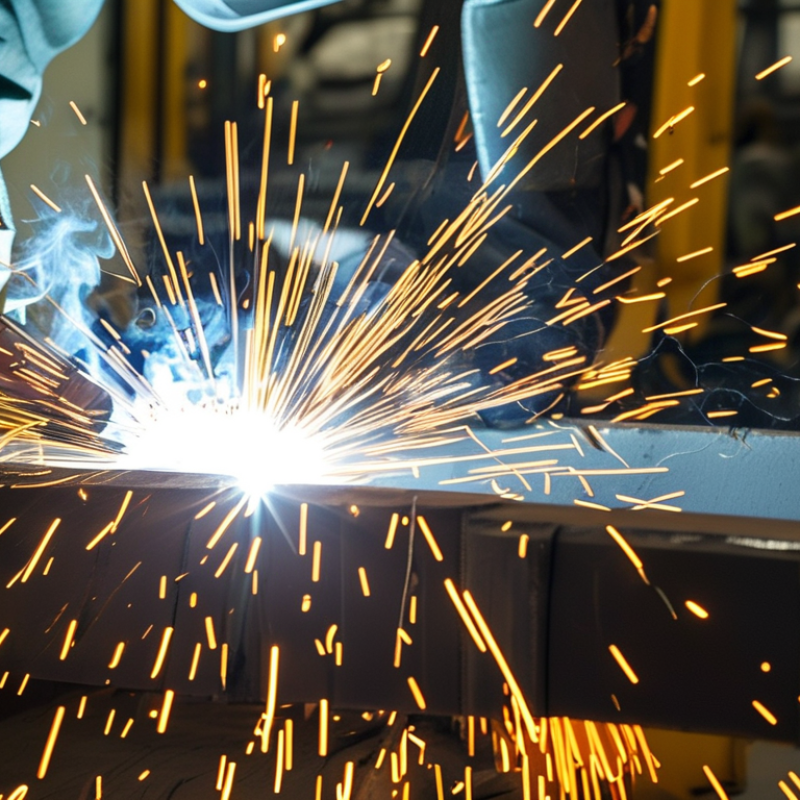
When selecting hard facing welding wire, understanding its characteristics is crucial. Hard facing welding wire enhances the durability of metal surfaces. It resists abrasion, erosion, and impact. According to industry reports, using high-quality wire can extend component life by up to 50%. This can lead to significant cost savings in maintenance and replacements.
Different applications require different types of hard facing wires. Carbide-based wires are good for high-impact environments, while those with a high nickel content excel in wear resistance. A study published in the Journal of Materials Engineering showed that wires with superior tensile strength perform better under extreme conditions. Evaluating the specific needs of your project can guide you to the right selection.
It's important not to overlook the environmental factors. Moisture and temperature can affect the weld quality. Less experienced welders may find it challenging to adjust their technique based on these variables. Documenting the welding conditions and results could be beneficial for future projects. The learning process involves trial and error, which can refine skills over time.
When it comes to hard facing welding wire, several critical factors must be considered. The type of application is one of the most important. Different projects have unique wear conditions, and the wire selected should match these requirements. For instance, if you’re welding parts that experience high abrasion, choose a wire designed specifically for that purpose.
Understanding the composition of the welding wire is also crucial. Materials like tungsten carbide or chromium can significantly affect performance. Pay attention to the chemical properties and hardness. It’s essential to balance these aspects to ensure durability without compromising other characteristics.
Here are some tips to guide your choice. Always review the manufacturer’s specifications. Research can help you understand how various wires perform in real-world applications. Additionally, don’t hesitate to seek advice from experienced welders. Their insights can provide valuable perspectives that save time and resources. Finally, consider the wire's versatility for future projects. A wire that adapts well might prove more beneficial over time.
| Factor | Description | Importance |
|---|---|---|
| Material Composition | Select according to the base material and application, ensuring compatibility. | High |
| Welding Method | Consider MIG, TIG, or stick welding capabilities based on your equipment. | Medium |
| Wire Diameter | Choose a diameter that matches the thickness of the base material for optimal results. | High |
| Tensile Strength | Ensure the wire offers adequate tensile strength for wear resistance. | Very High |
| Cost | Evaluate the cost-effectiveness while considering the quality required for the job. | Medium |
| Heat Resistance | Select wires that can withstand the temperatures involved in the application. | High |
| User Experience | Wire ease-of-use and compatibility with existing fillers plays a vital role in the selection. | Medium |
Hard facing welding wire plays a crucial role in enhancing the durability of equipment. Its applications vary widely across different industries. There are several types of hard facing wires available, each designed for specific uses. Common types include carbon steel, stainless steel, and cobalt-based wires. Each type has unique tensile strength and wear-resistant properties. For example, cobalt-based wires are often preferred in high-temperature applications due to their excellent oxidation resistance.
When selecting hard facing welding wire, consider the environment in which it will be used. A report by the American Welding Society indicates that around 80% of wear-related failures in industrial settings result from abrasion and impact. Therefore, choosing the right wire can significantly reduce maintenance costs. The wire's composition influences its performance under specific conditions, such as extreme heat or corrosive environments.
Additionally, some applications may require more than one type of hard facing wire. Using a composite approach can sometimes provide better overall protection. For example, a combination of stainless steel and cobalt-based wires can offer both corrosion resistance and high-temperature durability. This approach might complicate the welding process but can lead to a better-performing end product. Understanding these nuances is critical in achieving optimal results in hard facing applications.
When evaluating hard facing welding wire, it’s essential to consider performance characteristics that ensure effectiveness in your projects. Look for wires with high abrasion resistance. This quality is crucial for applications exposed to harsh conditions. Choosing a wire that can withstand wear and tear will save you time and costs in maintenance.
Another critical factor is the bond strength between the wire and the base material. A strong bond minimizes the risk of delamination during service. Some users may overlook this aspect, focusing solely on composition. However, assessing the compatibility of the wire with the base material is vital. It can prevent failures and enhance longevity.
Thermal conductivity also plays a significant role. A wire with appropriate conductivity will help manage the heat input during welding. High heat can lead to deformation or warping of components. Be mindful of the required heat settings for your specific application. The wrong choice can lead to poor results, necessitating further evaluation and adjustments after initial trials. Always reflect on past projects to gauge the performance of chosen materials. This reflection can lead to better decision-making in future applications.
When selecting hard facing welding wire, understanding your project requirements is crucial. Different applications demand specific wire properties, such as hardness, wear resistance, and impact strength. Align the wire characteristics with the operational conditions of your project. Will it face high wear or extreme heat? These factors guide your choice.
Consider trial applications. Testing welds on sample materials can reveal how the wire performs under real conditions. Not all wires offer the same advantages in every scenario. Document your findings to refine future selections. This reflective approach helps in recognizing what works best for your specific needs.
Technical guidance is also vital. Consult with professionals who understand the nuances of welding materials. They can help clarify complex specifications. Evolving your practices based on experience can lead to improved outcomes. Allow room for adjustments as you learn more about the materials and their behavior in different environments.
: The type of application is crucial. Different projects have unique wear conditions.
Composition affects performance. Materials like tungsten carbide or chromium change the wire’s durability and effectiveness.
Review manufacturer specifications. Research past applications to understand how wires perform.
Yes, advice from experienced welders is valuable. Their insights can inform and guide your choices.
Testing on sample materials shows how the wire performs. It helps identify practical advantages.
Document findings from each project. Reflecting on these details helps refine future selections.
Hardness, wear resistance, and impact strength are key. Align these with your project requirements.
Be open to evolving your practices. Adjust based on experience and understanding of materials.
Yes, a versatile wire can be more useful for future projects, offering greater adaptability.
Professionals clarify complex specifications. Their expertise can lead to better outcomes in welding.
When selecting a Hard Facing Welding Wire Line for your projects, it's essential to understand the fundamental aspects of welding wire selection. Key factors such as alloy composition, wear resistance, and compatibility with base materials should be carefully evaluated. Different types of hard facing welding wires are available, each suited for specific applications, from enhancing wear resistance in components to extending their service life in harsh environments.
Furthermore, assessing the performance characteristics, including deposition rate and hardenability, is crucial for optimal results. It’s important to align your welding wire choice with the specific requirements of your project, ensuring that you achieve the best possible outcome. By considering these elements, you can make informed decisions that will enhance the efficiency and durability of your welding projects.

Orient PengSheng