 Orient PengSheng
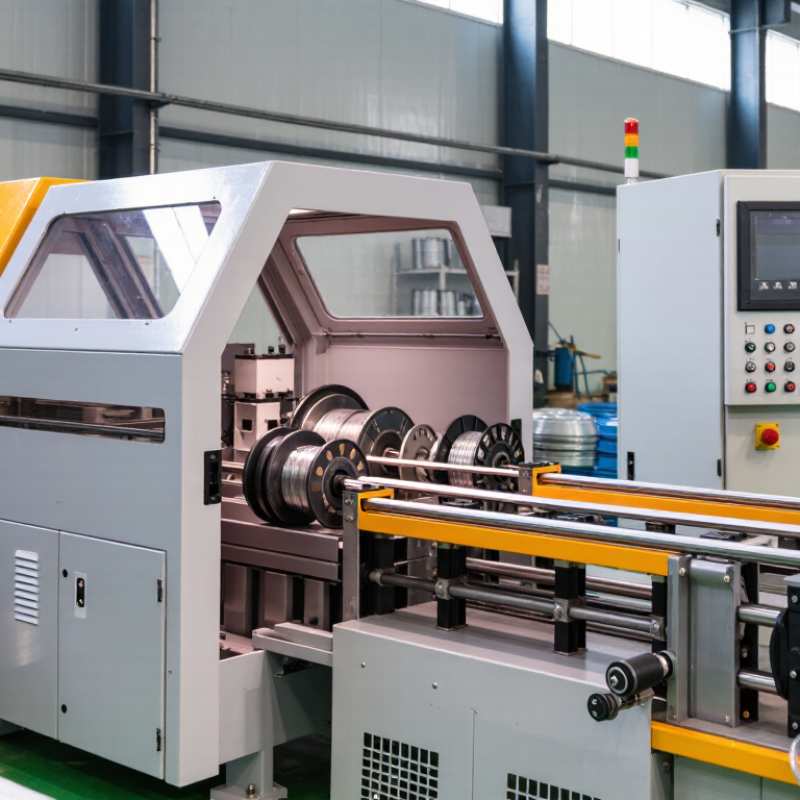
Choosing the best welding wire forming machine starts with understanding how the wire is shaped, not comparing price tags. Common methods include roll forming, rotary forming, and die drawing. Roll forming uses paired rollers to shape wire continuously. It suits steady production and consistent profiles. Rotary systems can create tighter bends with controlled tooling movement. Die drawing reduces diameter accurately, but it may increase surface stress. Each method leaves a different fingerprint.
In a workshop, I would examine wire material, diameter range, tensile strength, and target output before selecting equipment. A machine rated for 0.8-millimeter wire may struggle with 2-millimeter stock. Check straightening units, feeding accuracy, servo response, and cooling design. Ask for trial runs using your actual wire. Watch the first and last coils. They often reveal feeding drift. Forming speed matters, but repeatability matters more. A fast machine with uneven pitch creates expensive rework.
Equipment capability also depends on changeover time and operator control. Tool-less adjustments sound useful, yet some systems still need careful manual alignment. Inspect sensor access, guarding, maintenance points, and data recording functions. Reliable suppliers should provide tolerances, test records, and training details. I would not trust a polished brochure alone. Noise during long shifts can affect comfort and attention. Leave room for future wire sizes, even if today’s plan seems fixed. My own mistake was judging output before measuring setup losses; that made the cheaper option look better than it was.
