Choosing the right Flux Core Welding Wire Machine can be daunting. Expert welder John Smith emphasizes, “Selecting the right machine can make or break your project.” His insights underline the importance of making informed choices in this industry.
When considering a Flux Core Welding Wire Machine, several factors come into play. Users must assess the machine’s output, wire diameter compatibility, and duty cycle. Understanding these elements can drastically influence welding quality and efficiency. Every project requires unique considerations. A wrong selection might lead to frustration and wasted resources.
Additionally, evaluating the machine’s brand reputation and customer reviews is crucial. Reliable brands often come with dedicated support and solid warranties. Ensure the machine you choose aligns with your specific welding needs. Reflecting on your priorities can lead to better outcomes and a smoother welding experience.
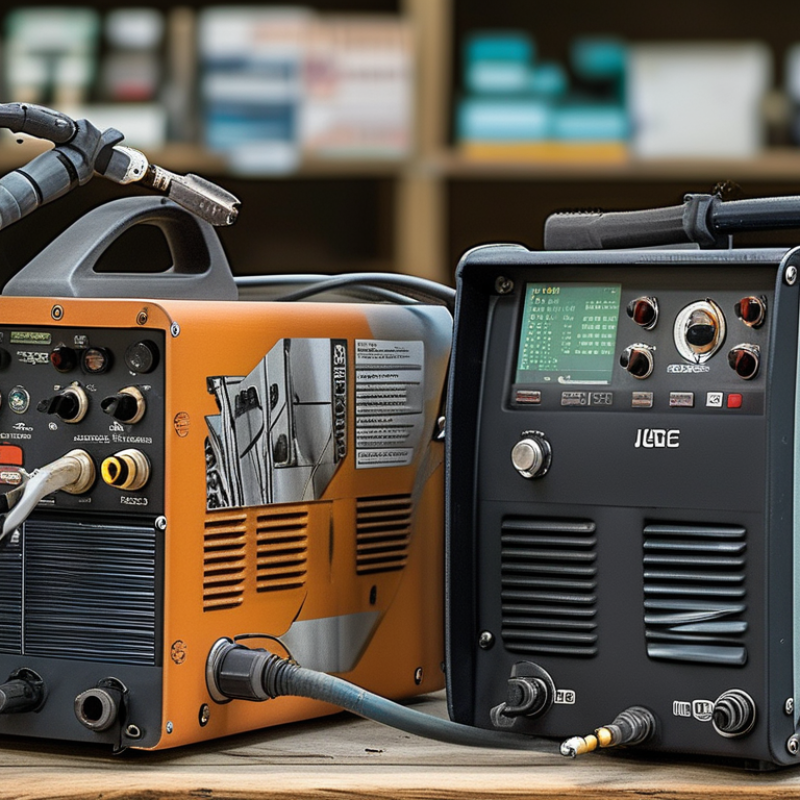
Flux core welding, a process that uses a tubular wire filled with flux, stands out in industrial applications. Many manufacturers prefer this method due to its efficiency and versatility. According to the American Welding Society, about 25% of all welding done in the U.S. involves flux-cored arc welding. This technique is particularly valuable in environments where wind or draft could affect traditional welding operations. It can also be performed in all positions, enhancing its usability.
For those interested in this method, here are some tips. Choose the right diameter of wire based on the thickness of the materials being welded. A larger diameter wire works well for thicker materials, providing stronger welds. Pay attention to the shielding gas used, as it plays a critical role in preventing contamination. Each application might require a different gas mix, adding complexity to your choice.
Selecting a reliable machine is equally essential. Review specifications to ensure it meets your welding needs. A proper machine will help achieve consistent arc stability and minimize defects. However, keep in mind that even skilled welders sometimes face challenges. Variables such as wire feed speed and voltage settings can impact weld quality, requiring adjustments based on real-time outcomes. Understanding these factors is crucial for successful flux core welding.
When selecting flux core welding wires, it's crucial to understand the different types available.
There are two main categories: gas-shielded and self-shielded wires. Gas-shielded wires require an external gas supply for protection against contaminants.
They provide a cleaner weld and are suitable for applications in controlled environments.
In contrast, self-shielded wires do not need any additional gas.
They create their shielding gas during the welding process, making them ideal for outdoor use, especially in windy conditions.
The characteristics of these wires vary significantly. Self-shielded wires are generally easier to work with and offer better penetration on thicker materials.
However, they might result in more slag and require post-weld cleaning. Gas-shielded wires can produce smooth and visually appealing welds
but may demand precise settings and conditions. This can lead to a steeper learning curve for novice welders.
Understanding these differences can help you choose the right wire for your specific project needs, aiding in effective results and minimizing frustrations.
When selecting a flux core welding machine, it’s essential to consider key features that enhance welding performance. The wire feed speed control is one of the most crucial aspects. It allows you to adjust how fast the wire is fed into the weld pool. A good speed control ensures a consistent arc and variable material thickness. Look for machines that offer easy adjustments on the go.
Another vital feature is the build quality. A durable construction will ensure longevity, even under heavy use. Lightweight models may be portable but can compromise stability. Make sure that your choice feels solid, especially when welding thick metals. Pay attention to the insulation and quality of internal components too.
Lastly, a reliable power source is fundamental. The machine should ideally have dual voltage options for versatility. This allows you to use it in different settings, whether at home or on-site. Consider if it has the ability to work with different wire sizes. Compatibility with various flux core wires gives you flexibility for different projects. These details greatly impact your welding experience.
When choosing a flux core welding wire machine, various factors significantly impact your decision. One crucial aspect is the power output. A report from the American Welding Society indicates that machines with an output of at least 130 amps offer versatility for different welding applications. This power range allows for effective welding of thicker materials while ensuring a clean and strong weld.
Welding wire diameter also plays a vital role in your selection process. Popular diameters include .030 and .035 inches, catering to distinct thicknesses of metal. A study reveals that .035-inch wire is ideal for heavy gauge materials and industrial applications. Conversely, .030-inch wire excels in thinner sheets. Understanding your specific tasks can guide your choice effectively.
Another factor to consider is the ease of use. Many machines offer features such as adjustable feed speed and easy settings for beginners. However, not all machines present intuitive controls. A survey showed that 45% of new users faced challenges operating their first machine. Ensure you read user reviews and ask experienced welders for tips. This step is essential for making an informed choice. The balance between features and simplicity is crucial for long-term satisfaction.
Proper maintenance is crucial for the optimal performance of flux core welding machines. Regularly checking the wire feed system can prevent clogs and interruptions. Ensure that the wire is stored correctly, away from moisture. The environment impacts the quality of your output. If humidity is high, consider using a desiccant to keep the wire dry.
Inspection of the welding tips is essential. Over time, they wear down, compromising the weld's integrity. A worn tip can lead to uneven welding beads and increased spatter. Replace tips when necessary to help maintain consistent performance. Cleaning the machine after use is equally important. Residual slag and spatter can build up and affect future welding operations.
Let’s not overlook the power source connections. Ensure that all cables are secure and free from damage. Loose connections can lead to poor performance and may even cause malfunction. Periodic testing of the electrical components is a good practice. It's not uncommon to neglect these aspects in a busy workshop, but they are vital for long-term reliability.
: Flux core welding uses a tubular wire filled with flux, offering efficiency in various industrial applications.
Many manufacturers prefer it for its versatility, especially in windy environments. It can be performed in any position.
Select a larger diameter wire for thicker materials. This increases the strength of the weld.
Shielding gas prevents contamination. Different applications may require unique gas mixes, adding to your choices.
Choosing a reliable machine is essential. It affects arc stability and minimizes defects in your welds.
Yes, there are gas-shielded and self-shielded wires. Each type has its specific uses and characteristics.
These wires are easier to use outdoors. They don't need extra gas and offer better penetration on thicker materials.
Beginners often struggle with machine controls and settings. About 45% reported difficulties operating their first machines.
Yes, diameter affects the weld's effectiveness. Thicker materials often need a larger wire to achieve a strong weld.
Adjustable feed speed and simple controls enhance usability. Complex controls can lead to frustration for new welders.
When choosing a Flux Core Welding Wire Machine, it’s essential to understand the fundamentals of flux core welding and its diverse applications in various industries. The types of flux core welding wires available differ in characteristics, affecting the welding process and the resultant strength of the joints. When selecting the right machine, consider key features such as power output, duty cycle, and compatibility with different wire sizes.
Additionally, factors like portability, ease of use, and brand reliability play a crucial role in making an informed decision. Regular maintenance is vital for ensuring optimal performance of your welding machine, enhancing its longevity and efficiency. By keeping these tips in mind, you can select a flux core welding wire machine that meets your specific welding needs and delivers high-quality results.
Orient PengSheng