What Is a Titanium Wire Feed Welder?

Time:2026-11-05 Author:Liam
0%

A Titanium Wire Feed Welder uses a continuously fed titanium wire to build or join metal with a controlled welding process. The term can describe different equipment setups, so it does not automatically mean an ordinary steel MIG welder will work. Titanium is reactive when hot. Clean wire, dry surfaces, and effective shielding matter.

Small details count. A fingerprint, a damp gas line, or a poorly protected weld tail can affect the finished bead. Operators typically pay close attention to the torch coverage and, where needed, additional shielding behind the weld. The exact setup depends on the alloy, joint shape, material thickness, and production requirements. There is no universal setting.

Welding-metallurgy expert John C. Lippold’s published work offers relevant technical context. A concise takeaway is: “Weld quality depends on controlling the entire process, not just selecting the heat source.” This sentence is an editorial paraphrase, not a verified direct quotation from Lippold.

That distinction matters. A machine’s wire-feed feature alone does not guarantee sound titanium welds. This guide explains how a Titanium Wire Feed Welder works, where it may be useful, and which process controls deserve careful attention. Expect practical trade-offs, not magic. Even experienced welders may need test pieces and adjustments before choosing suitable parameters. The first bead may look acceptable, yet inspection can reveal contamination or inconsistent shielding. Careful preparation remains essential.
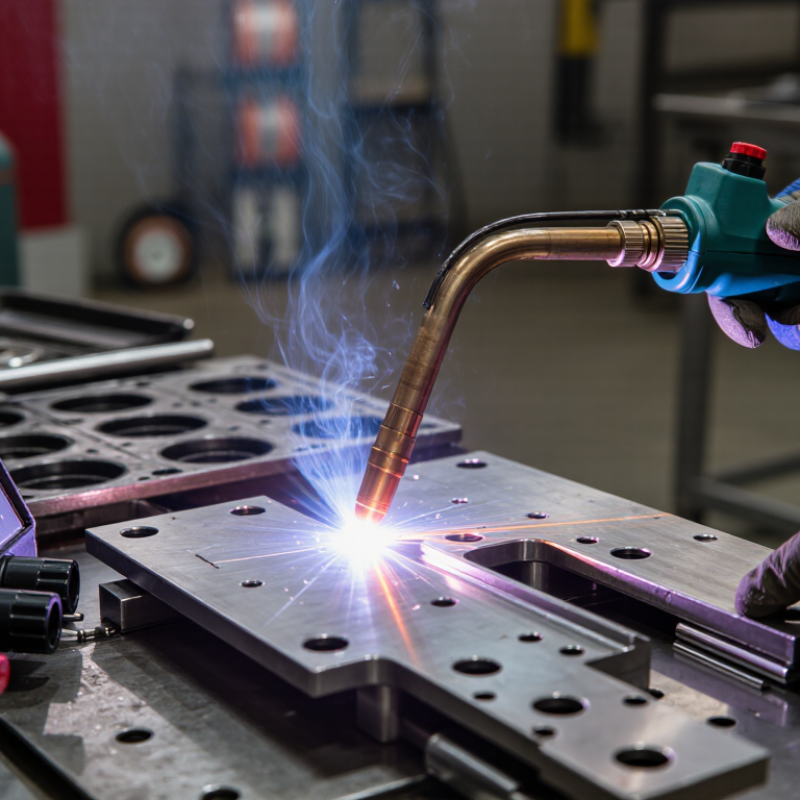
What Is a Titanium Wire Feed Welder?

Definition and Purpose of a Titanium Wire Feed Welder

A titanium wire feed welder is a welding setup that delivers filler wire steadily into an arc, where the wire melts and joins titanium parts. Depending on its configuration, it may use gas metal arc welding or a mechanized gas tungsten arc process with added wire. The name is a little imprecise: it does not describe one universal machine. Its purpose is to control filler-metal delivery and produce a consistent weld, especially on repeated joints or longer seams.

Titanium reacts readily with oxygen and nitrogen when hot, so shielding is essential. Argon usually protects the arc, while a trailing shield or purge may protect hot metal behind or inside the joint.

Cleanliness matters. Oil, moisture, and fingerprints can undermine the result. The operator must also match wire composition to the base material and set feed speed, travel speed, and arc conditions for the joint.

A stable wire feed helps, but it cannot fix poor fit-up or weak shielding. That detail is easy to underestimate. Before production, a qualified procedure and test weld help reveal problems such as porosity, irregular bead shape, or excessive discoloration.

How the Wire Feed Welding Process Works

A titanium wire feed welder uses a continuously fed wire electrode to create an electric arc. The arc melts the wire and the edges of the titanium workpiece, forming a small pool of molten metal. As the torch moves along the joint, fresh wire enters the pool. The metal cools behind the arc and forms a welded seam.

Shielding is critical. Titanium can react with oxygen and nitrogen while hot, which may weaken or contaminate the weld. Inert gas flows through the torch to protect the arc and molten pool. Depending on the joint and setup, extra shielding may also be needed behind or beneath the weld. A clean, dry work area matters too. Even fingerprints or surface residue can cause trouble.

The operator sets wire speed, voltage, gas flow, and travel speed to suit the material thickness and joint. Then they keep the torch moving steadily, watching the arc and weld pool for consistent coverage. Too much heat can distort thin titanium; too little may leave an incomplete joint. In practice, this is where a neat setup can still fail. Short test welds help reveal whether the settings and shielding are working before the finished part is welded.

Core Components and Their Functions

A titanium wire feed welder uses a motor-driven spool to deliver filler wire into an electric arc. Its power source creates the heat needed to join the parts. The wire feeder controls how quickly filler enters the weld. The welding torch guides the wire and directs shielding gas around the hot metal. A work clamp completes the electrical circuit. Small parts, big consequences.

Each component affects the others. Voltage and wire speed shape the arc, while torch angle and travel speed influence the bead. Titanium reacts readily with oxygen when hot, so clean surfaces and reliable inert-gas coverage matter. Some setups also need trailing gas protection or shielding behind the joint. The right arrangement depends on material thickness, joint shape, and welding procedure. A setup that looks simple can still produce a contaminated weld; that is easy to underestimate.

Tips: Keep filler wire and joint surfaces clean. Check gas flow before welding, and watch for unusual discoloration near the bead. Follow a qualified procedure for the specific titanium grade. If the weld looks dull or heavily colored, pause and review the shielding rather than assuming the settings are fine.

What Is a Titanium Wire Feed Welder? - Core Components and Their Functions
Component Function Titanium Welding Notes
Welding power source Supplies and controls the welding current and voltage used to create the arc. For wire-fed TIG systems, it is typically configured for a stable direct-current, electrode-negative arc. Exact settings depend on the material thickness and process.
TIG welding torch Holds the non-consumable tungsten electrode and directs the arc and primary shielding gas toward the weld. The tungsten creates the arc; it does not serve as the filler metal. Keep the torch and electrode clean to help avoid contamination.
Wire feeder Feeds filler wire at a controlled rate into the molten weld pool. Many titanium wire-feed systems use cold-wire TIG, where the filler wire is fed separately and is not electrically energized. Hot-wire configurations also exist.
Filler-wire spool Stores the filler wire supplied to the feeder. Choose filler compatible with the base metal and application. Keep wire clean, dry, and protected from oil, dust, and other contaminants.
Drive rolls and wire guide Grip and guide the wire from the spool through the feeder and toward the torch. Correct alignment and suitable roll pressure help provide smooth, consistent wire delivery without damaging or contaminating the filler wire.
Primary shielding-gas system Delivers inert gas through the torch to protect the arc and weld pool from the surrounding atmosphere. Argon is commonly used; argon-helium mixtures may be selected for some applications. Gas purity, flow, and coverage should follow the qualified procedure.
Trailing shield Extends inert-gas coverage behind the torch to protect the hot weld and adjacent heat-affected area as they cool. Titanium can react with oxygen, nitrogen, and hydrogen at elevated temperatures. Adequate post-weld shielding is important, especially for larger or slower-cooling welds.
Backside purge arrangement Provides inert-gas protection to the back of a joint, often inside tubing or behind a root pass. Used when the reverse side of the weld is exposed to air and requires protection. Purge setup and oxygen limits should be specified by the welding procedure.
Control panel or feeder controls Adjusts welding output and, where supported, wire-feed rate, timing, and other process settings. Consistent wire delivery and coordinated settings help maintain a stable weld pool. Record and verify settings against the approved procedure.
Work lead and clamp Completes the electrical circuit by connecting the workpiece to the power source. Attach to a clean, conductive area close enough to the weld to provide a dependable electrical return path.

Titanium Weldability and Suitable Applications

Titanium can be welded successfully, but it is less forgiving than ordinary steel. The hot weld reacts readily with oxygen, nitrogen, and moisture. Keep it shielded. A wire-feed setup can deliver filler steadily, but the equipment alone cannot guarantee a sound joint. Clean the joint and filler with dedicated tools, removing oil, fingerprints, and surface contamination before welding. Use inert-gas coverage at the torch, root, and cooling weld. A bright silver or light straw surface can indicate good shielding; gray or chalky deposits warrant closer inspection. Color is only a clue, not a complete quality test.

With careful control, titanium suits parts where low weight and corrosion resistance matter, such as chemical-processing piping, marine hardware, heat exchangers, and aerospace structures. Its strength-to-weight ratio can reduce component mass, but performance depends on alloy, temperature, and service conditions. Thin sheet and small tubing are practical applications, though poor fit-up can destabilize the weld pool and disrupt filler delivery. For thick sections or critical service, qualified procedures and suitable inspection matter more than a machine’s advertised capability. Titanium is not always the best choice. Shielding access, material cost, and repairability can outweigh its benefits, and a neat-looking bead does not prove internal quality.

Equipment Limits and Essential Safety Practices

What Is a Titanium Wire Feed Welder?

Equipment Limits and Essential Safety Practices

A titanium wire feed welder uses a powered feeder to deliver filler wire into a welding arc. The feeder alone does not make a setup suitable for titanium. The torch, power source, gas delivery, and shielding accessories must work together. Standard welding equipment may not provide enough protection from air contamination. Even a small gap in gas coverage can weaken the weld or discolor the metal.

Titanium has strict cleanliness needs. Remove oil, moisture, and surface residue with dedicated, clean tools before welding. Use an appropriate inert-gas setup, and consider trailing shields or back-purging where the joint shape requires them. Thin sheet can distort quickly, while thick sections may exceed the machine’s practical capacity. Test settings on matching scrap first. A shiny bead is not proof of a sound weld.

Safety needs equal attention. Wear a welding helmet, gloves, and flame-resistant clothing; titanium arcs produce intense ultraviolet light. Use local fume extraction, but position it so it does not disturb shielding gas. Secure gas cylinders upright and keep sparks away from flammable materials. Never weld a closed or unverified container. Small details matter. Shielding coverage can be harder to judge than it looks, so inspect the setup and follow the equipment and material guidance before striking an arc.

FAQS

How does wire-feed welding join titanium?

A continuously fed wire electrode creates an electric arc. The arc melts the wire and the workpiece edges. As the torch moves, the metal cools into a seam.

Why does titanium need shielding during welding?

Hot titanium can react with oxygen, nitrogen, and moisture. Inert gas protects the arc and molten pool. Keep it clean. Extra shielding may be needed behind or beneath the weld.

How should titanium parts be prepared?

Clean the joint and filler with dedicated tools. Remove oil, fingerprints, and surface residue. A dry work area helps prevent contamination.

Which settings affect the weld?

Wire speed, voltage, gas flow, and travel speed all matter. Match them to the material thickness and joint. Short test welds can reveal problems before welding the finished part.

What can the weld surface color tell you?

Bright silver or light straw can suggest good shielding. Gray or chalky deposits deserve closer inspection. Color is only a clue, not a full quality test.

What kinds of parts may suit titanium welding?

Applications include chemical-processing piping, marine hardware, heat exchangers, and aerospace structures. Titanium’s low weight and corrosion resistance can help. Alloy and service conditions still matter.

Can thin titanium sheet and tubing be welded?

Yes, with careful heat control and steady torch movement. Too much heat may distort thin material; too little may leave an incomplete joint. Poor fit-up can disrupt the weld pool.

Does a neat weld bead prove the joint is sound?

No. A clean-looking surface does not prove internal quality. Critical work needs suitable procedures and inspection. I would not trust appearance alone.

Is titanium always the best material choice?

Not always. Shielding access, material cost, and repairability may outweigh its benefits. That trade-off is easy to overlook.

Conclusion

A Titanium Wire Feed Welder is a welding setup that continuously feeds titanium filler wire into an electric arc to join compatible metal parts. The process can produce consistent welds efficiently, but titanium is highly sensitive to contamination while hot. A stable arc, clean materials, and reliable inert-gas shielding are essential. The power source creates the arc, the wire feeder controls filler delivery, the welding torch directs the arc and gas, and the shielding-gas system helps protect the molten weld from air.

This method can suit fabrication and repair work involving titanium components when the material thickness, joint design, and equipment capacity are appropriate. Preparation includes removing surface contaminants and keeping the work area clean and protected from drafts. Operators should follow equipment instructions, use suitable eye and skin protection, ensure adequate ventilation, and secure gas cylinders properly. A wire-feed system has practical limits, so settings and shielding arrangements must match the job to achieve sound welds safely.


Liam

Liam

Liam is a dedicated marketing professional with a profound expertise in the industry, where he excels at highlighting the unique advantages of our core products. With a keen understanding of market trends and consumer needs, Liam frequently updates our company’s professional blog, providing......