In the ever-evolving landscape of manufacturing, the role of a high-quality Flux Powder Mixing Machine cannot be overlooked. Experts in the field, like Dr. James Thornton, emphasize its significance. He has stated, “A precise mixing solution can vastly improve production efficiency.” This insight underlines the critical need for advanced mixing technology.
Flux powder mixing is essential for various industries, including pharmaceuticals and food processing. Ensuring a uniform blend of ingredients boosts product quality. However, choosing the right machine can be overwhelming. Many options exist on the market, each claiming to deliver optimal results. The challenge lies in identifying which Flux Powder Mixing Machine truly meets specific production needs.
It’s important to remember that even the best machines require regular maintenance. Over time, wear and tear can impact performance. Understanding these nuances can help manufacturers make informed decisions. In a competitive environment, reliability and efficiency are paramount. Investing in a quality Flux Powder Mixing Machine is a step toward achieving those goals.
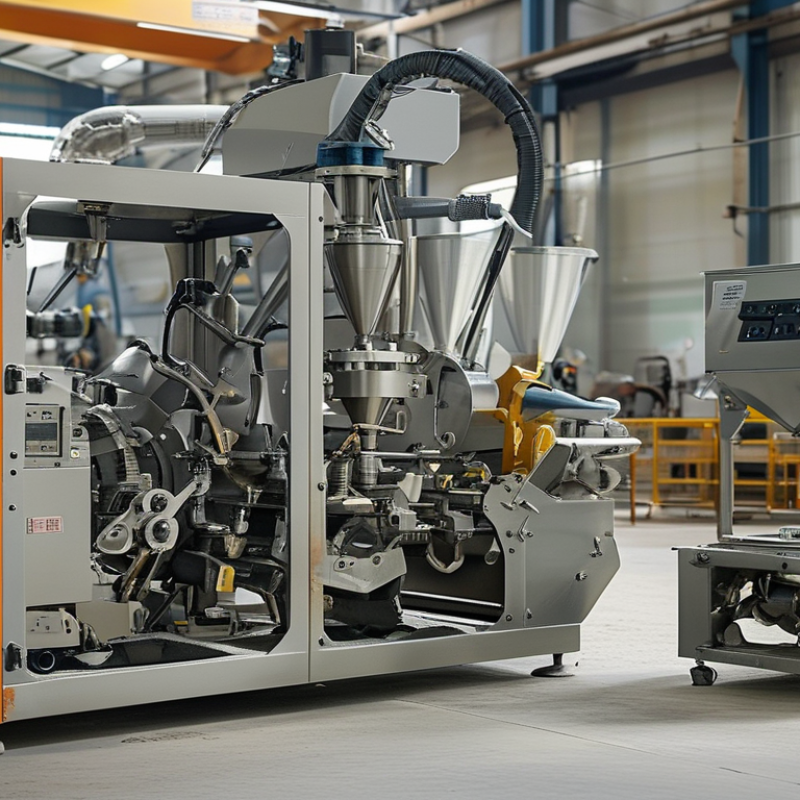
Overview of Flux Powder Mixing Machines
Flux powder mixing machines play a vital role in various industries, including metallurgy and ceramics. These machines ensure uniform mixing of powders, which is crucial for product consistency and quality. Research indicates that effective mixing can enhance production efficiency by up to 30%. This figure highlights the significance of selecting the right equipment.
Different types of flux powder mixing machines exist, ranging from batch mixers to continuous mixers. Batch mixers are suitable for small-scale production, allowing for flexibility in operations. Continuous mixers excel with high-volume output but require careful calibration for optimal results. Industry experts stress that improper mixing can lead to product defects, impacting overall production. Therefore, investing in quality equipment is essential.
The market for mixing equipment is growing rapidly, projected to reach around $6 billion by 2025. Consumers seek machines with advanced features like automated controls and energy efficiency. However, some users are dissatisfied with equipment maintenance and after-sales support. A lack of proper training on machine usage also poses challenges. These factors indicate areas for improvement in the industry.
Key Features of High-Efficiency Mixing Equipment
When considering high-efficiency mixing equipment, several key features emerge. These features directly impact the performance and reliability of flux powder mixing machines. One crucial aspect is the mixing technology employed. Advanced machines use high-shear mixing, enabling uniform blending. This process ensures that materials are coalesced efficiently. Proper dispersion reduces the risk of clumping, leading to improved end-product quality.
Another important element is the machine's design. A well-engineered mixing chamber maximizes contact between materials. This approach can minimize mixing time while enhancing consistency. Durability also plays a significant role. Materials used in constructing the machine should withstand wear and tear. This not only affects the mixing process but also long-term maintenance costs.
Automatic controls and monitoring systems are increasingly essential. They help operators maintain precision in the mixing process. However, some users may neglect proper calibration. This oversight can lead to inconsistencies in the final product. Regular maintenance is another area often overlooked. Investing in this aspect helps avoid unexpected downtime and costly replacements. Attention to these key features can enhance production efficiency and product quality significantly.
Top Flux Powder Mixing Machine Performance Comparison
Types of Flux Powder Mixers and Their Applications
When it comes to mixing flux powders, several types of machines are available. Each type plays a unique role in different applications. For instance, ribbon blenders are well-loved for their ability to handle bulk materials. They mix quickly and efficiently, ensuring uniformity. Conversely, paddle mixers are ideal for high-viscosity powders, delivering a thorough blend with a gentle touch.
Other options include bin blenders, which offer a versatile mixing solution. Their design allows for easy loading and unloading, making them perfect for small to medium batches. But not every machine suits every task. Users must consider the specific properties of the flux powder. Is it lightweight or dense? Does it have moisture issues? These factors impact the choice of mixer.
While these machines enhance production efficiency, they are not fail-proof. Some users encounter challenges, such as uneven mixing or clumping. Adequate testing is essential to refine the mixing process. Understanding the nuances of each mixer helps in optimizing their use. Often, trial and error lead to the best results. Selecting the right flux powder mixer is a balance of science and experience.
Factors Influencing Mixing Performance and Production Efficiency
When it comes to flux powder mixing machines, several factors significantly impact both mixing performance and production efficiency. The type of mixer plays a vital role. Different mixers have unique mechanisms and configurations that can affect the blending of materials. For instance, some designs are better suited for powders with varied particle sizes. The choice between a ribbon mixer and a V-blender can greatly influence the final homogeneity of the mix.
Another key factor is the mixing time. Longer mixing times usually produce a more uniform product. However, excessively long mixing can lead to heat generation, which may alter the properties of sensitive materials. Operators should carefully monitor mixing durations, adhering to recommended guidelines to avoid inconsistencies. It’s a balancing act—correctly timing the process is essential to maintain quality.
The moisture content of the powders is also crucial. Some materials may clump together if they're too moist, leading to poor mixing outcomes. Finding the right moisture balance can be challenging. It often requires trial and error. Continuous monitoring and adjustments may be necessary to optimize performance. All these considerations highlight the complexity of achieving effective mixing in production settings.
Maintenance and Care for Optimal Operation of Mixing Machines
Proper maintenance of mixing machines is essential for optimal performance. Regular inspections can identify wear and tear. The American Society of Mechanical Engineers highlights that maintenance can reduce machine failure rates by up to 30%. Neglecting these procedures can lead to costly downtimes, eventually impacting overall productivity.
Routine cleaning is crucial. Dust and residue can impair functionality. A report from the International Journal of Engineering states that unclean machines suffer a 25% reduction in efficiency. Scheduled lubrication of moving parts also promotes longevity. Yet, many operators skip this step, leading to increased friction and potential overheating.
Training is another key aspect. Operators must understand how to perform basic maintenance. A survey by the National Association of Manufacturers found that 45% of machinery failures result from operator error. It's important to foster a culture of awareness around proper care. Without proper knowledge, machines cannot operate effectively, leading to missed production goals.
Top Flux Powder Mixing Machine for Efficient Production
| Parameter |
Specification |
Maintenance Tips |
| Mixing Capacity |
500 kg/batch |
Regularly check and adjust mixing speed |
| Power Consumption |
3 kW |
Clean filters monthly to ensure efficiency |
| Mixing Time |
10-15 minutes |
Monitor timing to avoid over-mixing |
| Maintenance Frequency |
Every 6 months |
Lubricate moving parts regularly |
| Noise Level |
70 dB |
Inspect soundproofing and replace if necessary |
FAQS
: Various types exist, including ribbon blenders, paddle mixers, and bin blenders. Each serves a unique purpose.
They are praised for handling bulk materials quickly and ensuring uniform mixing.
Paddle mixers excel with high-viscosity powders, providing a thorough blend gently.
Users must consider properties like weight, density, and moisture content of flux powders.
Users may encounter uneven mixing or clumping, which can affect product quality.
Longer mixing often leads to uniformity, but excessive time can cause unwanted heat.
Too much moisture can lead to clumping, resulting in poor mixing outcomes and inconsistencies.
Adequate testing refines the process, helping to combat challenges and improve results.
Continuous monitoring and adjustments based on trial and error lead to better outcomes.
No, each mixer has its strengths and weaknesses; careful selection is essential for desired results.
Conclusion
The article "Top Flux Powder Mixing Machine for Efficient Production" provides a comprehensive overview of the essential aspects of flux powder mixing machines. It highlights the key features that enhance mixing efficiency, such as uniformity of the blend and speed of operation. Additionally, the article outlines various types of flux powder mixers, explaining their specific applications across different industries, which helps users identify the best machine suited for their needs.
Moreover, the discussion emphasizes the factors influencing mixing performance and production efficiency, such as material properties and mixer design. Proper maintenance and care are also underscored as critical for ensuring the optimal operation of the flux powder mixing machine, prolonging its lifespan, and maintaining product quality. Overall, this article serves as a valuable resource for anyone looking to optimize their production processes through effective mixing solutions.

 Orient PengSheng