Best Welding Wire Production Machine for Efficient Manufacturing?

Time:2026-07-13 Author:Ethan
0%

In the competitive landscape of manufacturing, selecting the best Welding Wire Production Machine is crucial. Industry expert Dr. Emily Johnson states, "The efficiency of your welding process hinges on the quality of your production machinery." This insight underscores the importance of investing in advanced technology.

A Welding Wire Production Machine must not only accelerate production but also ensure consistent quality. Manufacturers face pressures to reduce costs while maintaining high standards. Each machine should integrate innovative features to meet these demands. However, choosing the right machine can be daunting. Many options exist, and not all are created equal.

Quality is paramount in welding wire production. A poorly functioning machine can lead to defects, waste, and delays. Investing time in research and finding reliable machinery can yield significant returns. As Dr. Johnson suggests, the long-term benefits of quality equipment often outweigh initial costs. In the end, the right Welding Wire Production Machine can set a manufacturer apart in a busy market.
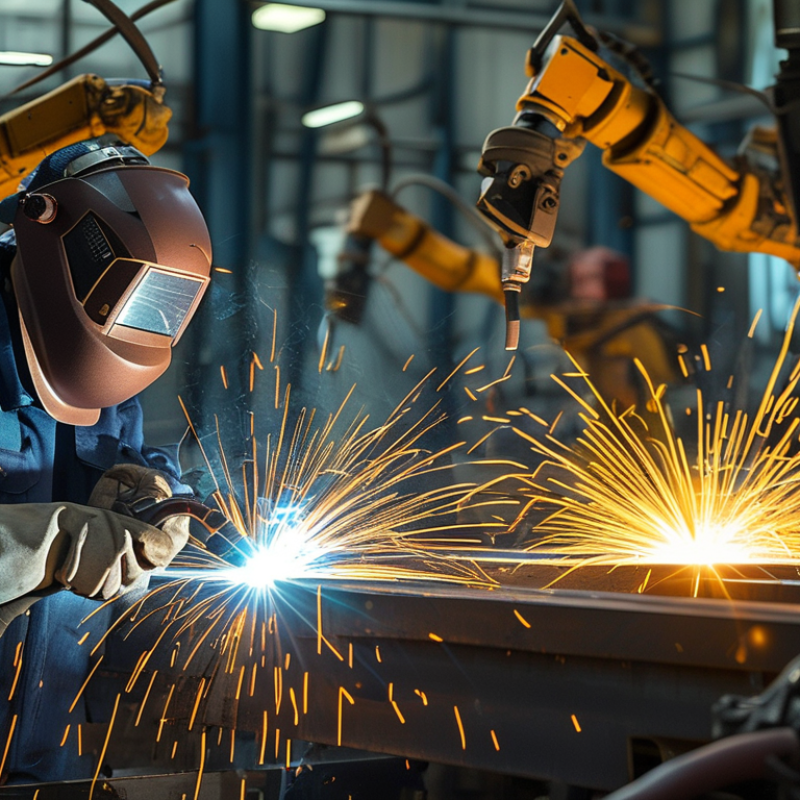
Best Welding Wire Production Machine for Efficient Manufacturing?

Overview of Welding Wire Production Machines

Welding wire production machines play a crucial role in the manufacturing process of various metal products. The efficiency and quality of these machines directly impact the final output. According to a report by the Global Industry Analysts, the demand for welding wires is forecasted to grow significantly, with a projected increase of 5.6% annually until 2027. This highlights the growing need for reliable production machinery that meets industry standards.

Modern welding wire production machines incorporate advanced technology to enhance performance. Features such as automated feeding systems and real-time monitoring systems improve precision and reduce waste. These innovations can lead to substantial cost savings for manufacturers. However, investing in high-technology machines requires careful assessment. Some businesses may face challenges in training staff to operate complex machinery efficiently.

Tips: Regular maintenance of welding wire production machines is essential. This can prolong machine life and improve output quality. Also, consider investing in training programs for operators. A knowledgeable workforce enhances productivity and reduces the likelihood of costly accidents.

Choosing the right machine involves more than just specifications. It requires a deep understanding of production needs and quality standards. Manufacturers must weigh the benefits of technology against their unique operational challenges. Balancing innovation with practical application is key.

Key Features of Efficient Welding Wire Manufacturing Equipment

Efficient welding wire manufacturing relies heavily on advanced machinery with key features. First, automated processes minimize human intervention. This increases production rates while maintaining quality. Data from the American Welding Society indicates that automation can improve productivity by up to 30%.

Precision is vital in welding wire production. Machines with advanced tension control systems ensure consistent wire diameter, crucial for preventing defects. A report from the International Organization for Standardization highlights that maintaining wire tolerance within 0.1mm can reduce rejection rates by 15%.

Energy efficiency is another critical aspect. Modern equipment often integrates energy-saving technologies. This can lead to significant cost reductions over time. However, initial investments can be high. Manufacturers must evaluate long-term gains against upfront costs. Balancing these factors is essential for sustainable operations.

Types of Welding Wire Production Machines Available in the Market

Welding wire production machines come in various types, each designed for specific manufacturing needs. Some machines are manual, providing simplicity and affordability. These machines require skilled operators and are suitable for small-scale production. They often result in lower output but may still meet unique project requirements.

Automated welding wire production machines are popular for larger operations. They increase efficiency and reduce labor costs. These machines are equipped with advanced controls and can produce a consistent wire diameter. However, they require a significant investment and specialized training for operators. It's essential to evaluate if the output justifies the expense for your business.

Flexible production systems are another consideration. These machines can adapt to different wire sizes and types. They are ideal for manufacturers needing to switch between products frequently. While they offer versatility, setup time can be longer, which may affect production schedules. Ultimately, businesses should weigh their specific needs and resources before selecting a machine.

Factors Influencing the Selection of Welding Wire Production Machines

When selecting welding wire production machines, various factors come into play. Understanding these influences is crucial for manufacturers aiming for efficiency. One key factor is the machine's speed. High-speed machines can significantly boost productivity. However, they might compromise quality. It's essential to strike a balance.

Material compatibility is also a significant consideration. Different types of welding wires require specific machines. Not all machines can handle every material effectively. This can lead to production challenges if overlooked. Additionally, the size and scale of operations matter. Smaller operations may not need high-capacity machines, while larger ones will benefit from more robust setups.

Operator experience cannot be ignored. Well-trained operators can maximize the machine's potential. Yet, new operators might struggle initially. This learning curve can hinder productivity. Regular training sessions are necessary. Another aspect to reflect on is maintenance. Regular upkeep ensures machines run smoothly. Neglecting this can lead to costly downtimes and repairs.

Benefits of Automating Welding Wire Manufacturing Processes

Automating welding wire manufacturing offers significant advantages. Efficiency increases considerably when machines take over repetitive tasks. This automation can reduce human error, leading to better quality products. Using advanced technology minimizes downtime. With less manual intervention, production can run continuously, meeting higher demand.

In addition, automation can enhance safety. Dangerous tasks are shifted from human operators to machines. This transformation results in fewer workplace accidents and injuries. Workers can focus on oversight and quality control, ensuring that operations run smoothly. Moreover, automated systems can provide real-time data monitoring, allowing for quick adjustments.

However, automation isn't without its challenges. Initial setup costs can be high, and workers may need retraining. There are also concerns about job displacement. Companies must find a balance between efficiency and workforce impact. Addressing these issues is crucial for sustainable improvement in welding wire production.

FAQS

: What is the role of welding wire production machines?

: They are crucial for manufacturing various metal products, affecting efficiency and quality.

How is the demand for welding wires projected to change?

It is expected to grow by 5.6% annually until 2027.

What are key features of modern welding wire production machines?

They include automated feeding, real-time monitoring, and energy-saving technologies.

Why is operator training important for welding machines?

Knowledgeable operators enhance productivity and reduce the risk of accidents.

What challenges do manufacturers face with high-tech machines?

Training staff to operate complex machinery efficiently can be a significant challenge.

How does automation affect productivity in welding wire production?

It can improve productivity by up to 30%, minimizing human intervention.

What is crucial for maintaining consistent wire quality?

Advanced tension control systems ensure consistent diameter, reducing defects.

What type of machines are best for small-scale production?

Manual machines are simpler and more affordable, suitable for specific project needs.

How do flexible production systems benefit manufacturers?

They adapt to different wire sizes but may require longer setup times.

What should businesses consider when choosing a welding machine?

They need to evaluate specific production needs, costs, and potential long-term gains.

Conclusion

The article "Best Welding Wire Production Machine for Efficient Manufacturing?" provides a comprehensive overview of welding wire production machines essential for modern manufacturing processes. It explores key features that enhance efficiency, such as automation, precision, and ease of operation. Additionally, the article categorizes the different types of welding wire production machines available in the market, helping manufacturers make informed choices based on their specific needs.

Factors influencing the selection of a welding wire production machine, such as production volume, material compatibility, and scalability, are also discussed. Furthermore, the article highlights the numerous benefits of automating welding wire manufacturing processes, including increased productivity, reduced labor costs, and improved product quality. Overall, understanding these elements is crucial for manufacturers aiming to optimize their operations and ensure high-quality welding wire production.


Ethan

Ethan

Ethan is a seasoned marketing professional with a deep expertise in our company's innovative product line. With a passion for sharing knowledge and insights, he takes the lead in regularly updating our corporate blog, where he explores industry trends, product features, and effective marketing......