How to Choose the Best Welding Wire Production Line for Your Needs?

Time:2026-07-13 Author:Ethan
0%

Choosing the right Welding Wire Production Line is crucial for your manufacturing needs. This decision impacts quality, efficiency, and cost. A well-selected production line boosts productivity and enhances your competitiveness in the market. However, navigating through various options can be daunting.

Consider factors such as the type of welding wire you produce. Different applications demand different specifications. Assessing your production volume is also essential. A line that matches your output expectations can significantly improve your workflow. It's not just about the machinery. The support from manufacturers and their expertise is equally important.

Reflect on your requirements and ask the right questions. Are you prioritizing speed or quality? What about maintenance and support? These decisions can lead to both success and challenges. Take time to weigh your options carefully. A small mistake could mean losses down the line. Ultimately, a thoughtful approach to your Welding Wire Production Line selection can yield lasting benefits for your business.
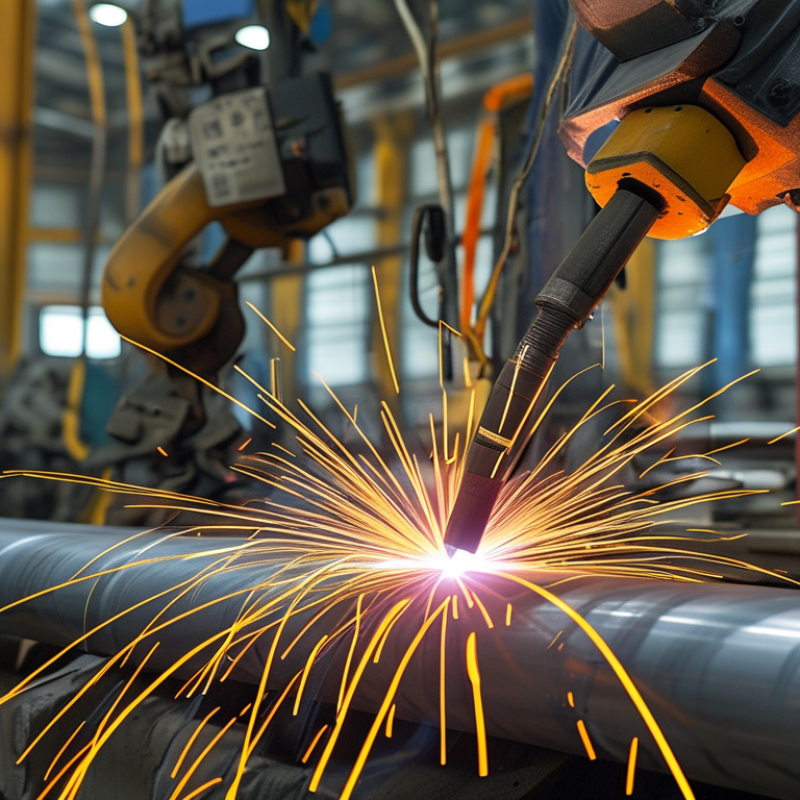
How to Choose the Best Welding Wire Production Line for Your Needs?

Factors to Consider When Choosing a Welding Wire Production Line

Choosing the right welding wire production line involves several factors. Understanding your production capacity is key. Data shows that a production line capable of producing 2000-3000 tons annually is often necessary for medium-sized operations. Assess your specific needs based on demand trends in the market. Are you focusing on high-quality wires or mass production? Each choice requires different specifications.

Equipment flexibility is another essential factor. A versatile line accommodates various wire diameters and types. Studies indicate that lines with programmable features can enhance operational efficiency by up to 30%. This capability can make a sizable difference in meeting diverse client requirements. It's also crucial to consider the energy efficiency of the machinery. Reports suggest that energy-efficient machines can reduce operational costs significantly.

Tips: Regularly evaluate the latest technological advancements. These can greatly improve productivity. For instance, the integration of automation has been linked to decreased labor costs. Additionally, consider the maintenance needs of the line. Regular maintenance can prevent costly downtimes and extend the life of your equipment.

Remember to gather feedback from existing users of similar lines. Their insights can reveal potential challenges you might face during operations.

Types of Welding Wire Production Lines and Their Applications

When selecting a welding wire production line, understanding the different types available is crucial. The two primary types are solid wire production lines and flux-cored wire production lines. Solid wire is widely used for general welding applications, while flux-cored wire is favored for its versatility and ability to produce high-quality welds, especially in outdoor environments.

According to industry reports, the annual growth rate for the welding wire market is projected to be around 5.5% over the next five years. This growth highlights the increasing demand for efficient production lines that can adapt to various welding tasks. The right production line can significantly impact manufacturing efficiency and product quality.

Tip: Analyze your specific needs. Consider factors like production speed and wire diameter. A production line that meets your current demand may not suffice in the future.

Flux-cored lines require different setups compared to solid wire lines. Understanding these nuances can make a big difference. Many production lines are still only partially automated, which can lead to operational inefficiencies. A well-optimized setup can reduce waste and improve output.

Tip: Invest in staff training. Skilled operators can maximize production line efficiency. A production line is only as good as the team managing it.

Assessing Production Capacity and Efficiency Requirements

When selecting a welding wire production line, assessing production capacity and efficiency is crucial. You need to determine how much wire your operation requires. For smaller businesses, a basic line may suffice. Larger manufacturers often need higher outputs to meet demand.

Consider the line's speed and performance consistency. A slower machine might save money upfront but could lead to long-term inefficiencies. Evaluate the output per hour and how that aligns with your production goals. It's essential to find a balance between speed and quality. Some production lines may promise high capacity but falter in actual performance.

Researching operational requirements is equally important. Do you have skilled operators available? Training might be necessary to maximize efficiency. If the workforce isn't capable, the production line may not perform as expected. Think about maintenance and support as well. A line that is hard to fix can lead to costly downtimes. Reflect on these aspects carefully before making a decision.

Evaluating the Cost and Budget Constraints for Your Production Line

When evaluating the cost and budget constraints for your welding wire production line, careful planning is crucial. Consider not only initial investment costs but also ongoing operational expenses. Purchasing high-quality equipment may require a larger upfront expense, yet it can lead to better efficiency and lower maintenance costs over time.

Analyze your production capacity needs. Are you a small-scale operation or aiming for high-volume production? Higher capacity machines can be more expensive, but they often yield better long-term returns. Don’t forget to factor in space requirements and potential installation costs. Sometimes the cheapest option upfront ends up being the most expensive in the long run.

It’s important to reflect on potential challenges. Budget constraints may limit your choices. However, compromising on critical features can affect production quality. Seek advice from industry professionals. Their insights can help align your budget with realistic expectations. Balancing cost and quality is key to ensuring both immediate success and future growth.

Maintenance and Support Packages for Welding Wire Production Lines

Choosing the right welding wire production line involves more than just the machinery itself. Maintenance and support packages play a crucial role in ensuring operational efficiency. Regular maintenance can prevent costly downtimes. Reports estimate that industrial machines suffer on average a 20% reduction in efficiency due to poor maintenance practices.

Many manufacturers offer support packages tailored to specific production needs. These packages often include routine checks, emergency repairs, and technical support. A recent industry survey revealed that 70% of companies consider a strong support package when selecting equipment. This proactive approach helps mitigate issues before they escalate.

Tips: Always review the maintenance history provided by the supplier. Ask about their response time for emergency services. Keeping a close eye on maintenance schedules can extend the life of your production line significantly. Investing in a comprehensive support package is not an expense; it’s a strategic move for sustained productivity.

FAQS

: What is the ideal production capacity for a welding wire production line?

: A medium-sized operation typically needs a line that produces 2000-3000 tons annually.

How does equipment flexibility impact production?

A flexible production line can accommodate various wire types and sizes, significantly enhancing efficiency.

What role does energy efficiency play in selecting machinery?

Energy-efficient machines can greatly reduce operational costs, making them a worthy investment.

Why is maintenance important for a production line?

Regular maintenance prevents costly downtimes and boosts the longevity of your equipment.

What types of welding wire production lines are available?

The primary types are solid wire production lines and flux-cored wire production lines.

How can feedback from existing users help in choosing a production line?

User insights can highlight potential challenges and operational hurdles to anticipate.

What training should be provided to staff managing the production line?

Investing in staff training ensures they can maximize the efficiency of the production line.

What should companies look for in maintenance support packages?

Consider routine checks, emergency repairs, and technical support tailored to specific production needs.

How can production speed and wire diameter affect production line choice?

Aligning these factors with your current and future needs is essential for long-term efficiency.

What percentage reduction in efficiency is common due to poor maintenance?

Poor maintenance practices can lead to an average 20% drop in machine efficiency.

Conclusion

When selecting the best Welding Wire Production Line for your needs, it is crucial to consider various factors, including the specific requirements of your production process. Evaluate the types of welding wire production lines available and their respective applications to ensure they align with your operational goals. Additionally, assessing production capacity and efficiency requirements will help you determine the optimal setup for your manufacturing needs.

Budget constraints also play a significant role in your decision-making process, as it's essential to find a cost-effective solution that does not compromise quality. Lastly, consider the maintenance and support packages offered for welding wire production lines, as ongoing support will be vital for sustaining operations and minimizing downtime. By thoroughly analyzing these aspects, you can make an informed choice that meets your production demands effectively.

Ethan

Ethan

Ethan is a seasoned marketing professional with a deep expertise in our company's innovative product line. With a passion for sharing knowledge and insights, he takes the lead in regularly updating our corporate blog, where he explores industry trends, product features, and effective marketing......