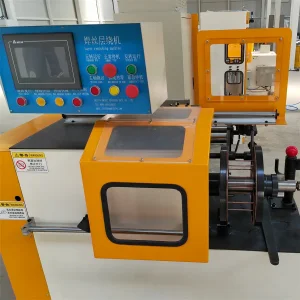
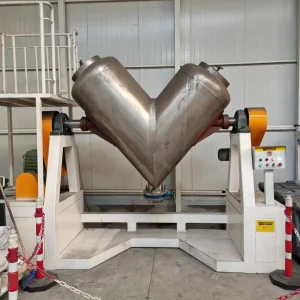
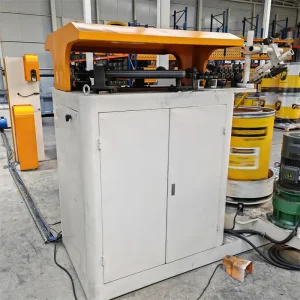
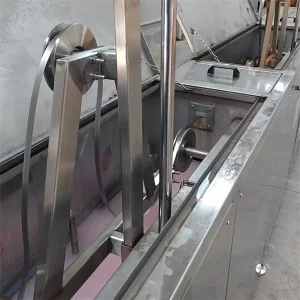
Engineered to international standards for continuous manufacturing environments and seamless weld joints.
An Expert Analysis of Microstructural Integrity in Continuous Steel Wire & Strip Drawing Operations
In high-speed wire drawing and continuous tube forming (such as Flux-Cored Wire manufacturing), process continuity is directly tied to yield rates. Butt welding the ends of consecutive steel coils or wire rods is essential to maintain continuous operation. However, the localized heat input from electric resistance or flash butt welding alters the microstructural characteristics of the material. Without controlled thermal management, this weld joint becomes a primary failure point during downstream drawing passes.
When low carbon steel strip or high carbon steel wire is butt welded, the rapid thermal cycle creates a Heat-Affected Zone (HAZ). As the heat dissipates quickly into the surrounding metal, it acts as a quench, promoting the formation of hard, brittle martensite or coarse bainite structures. If this raw weld joint is introduced directly into a drawing die, the localized hardening causes high shear stresses, leading to immediate wire rupture or strip tearing.
An inline annealer resolves this vulnerability by introducing a precise, current-controlled reheating cycle. By elevating the localized weld area to its critical recrystallization temperature (typically between 650°C and 750°C for mild steels, and higher for specific alloys), the annealer relieves internal residual stresses. The martensitic microstructure is tempered back into ductile, spheroidal cementite or fine pearlite. This metallurgical recovery allows the weld seam to undergo identical area reduction percentages as the parent metal during cold drawing, ensuring uninterrupted production.
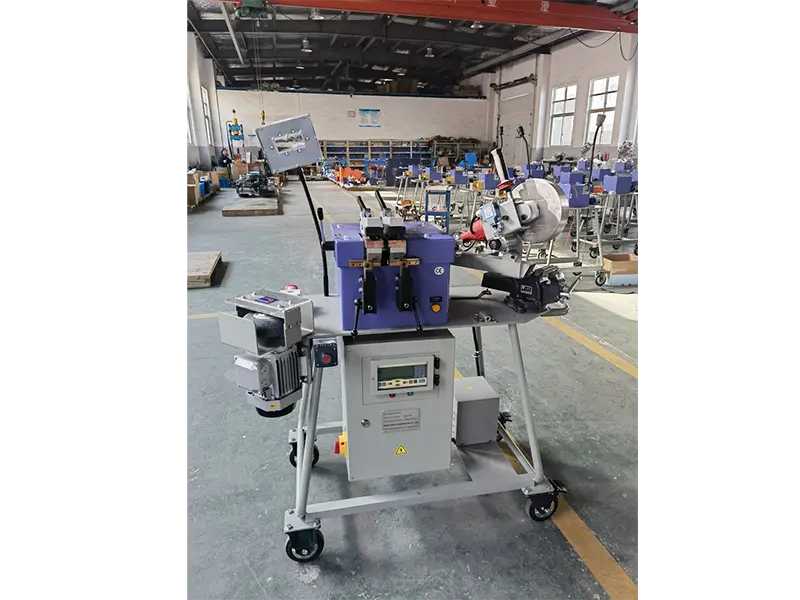
Dual-pneumatic or hydraulic clamps align wire ends with under 0.02mm offset, preventing localized notch effects.
Integrated thyristor feedback cycles provide ramp-up, soak, and cooling rates tailored to different steel carbon contents.
Full conformance with EU machinery and electromagnetic directives (2006/42/EC) guarantees operational protection.
Established in 2011, Beijing Orient Pengsheng Tech Co., Ltd. brings over 20 years of technical expertise in flux-cored welding wire manufacturing machines. Supported by our European technical partners and driven by local innovation, we have established proprietary technology, modern manufacturing facilities, and strict quality control standards in this field.
We supply flux-cored wire (FCW) production systems and auxiliary equipment designed to match current engineering and safety standards. Our installations operate worldwide, including in Western Europe, the Americas, and Asia, proving the reliability of our engineering design.
Combining cost efficiency, advanced integration, and high-precision mechanical design.
As manufacturing demands evolve, Chinese factories have transformed their role from basic equipment assemblers to innovators in heavy machinery. Beijing Orient Pengsheng Tech Co., Ltd. demonstrates this shift by combining European engineering practices with local supply chain networks to deliver high-quality, cost-efficient machinery.
Our proximity to major steel, electronic, and pneumatic component ecosystems enables rapid custom manufacturing and parts sourcing without lengthy transit delays.
We adapt clamping force, annealing power outputs, and automatic control interfaces to match specific wire drawing configurations and space constraints.
Our core designs align with European machinery safety directives, using imported tooling and high-specification materials where necessary.
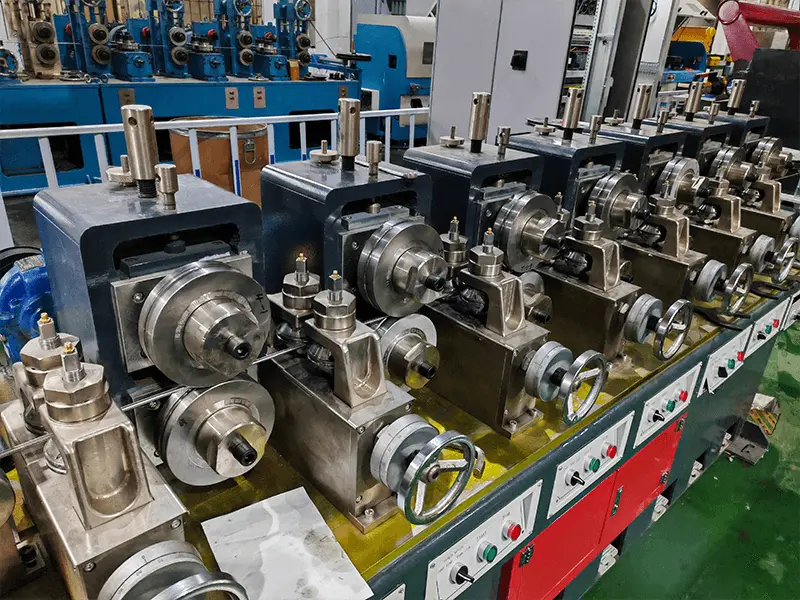
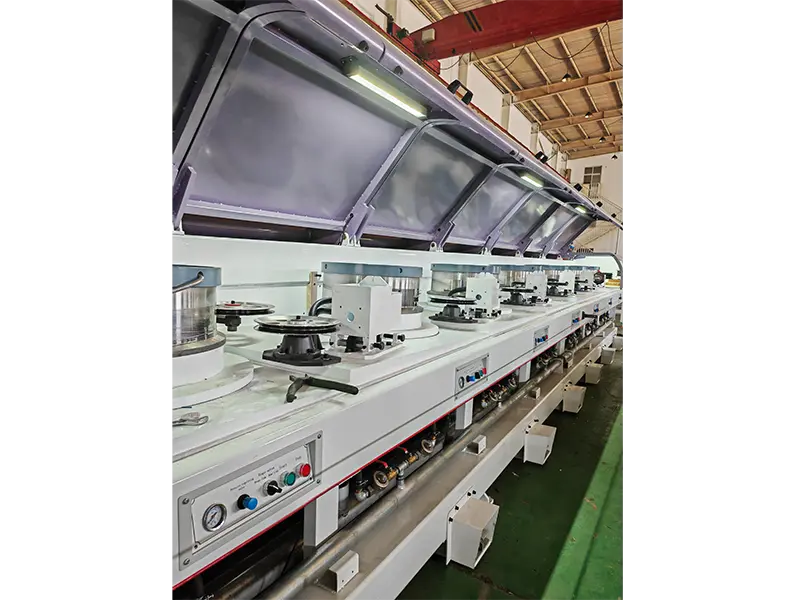
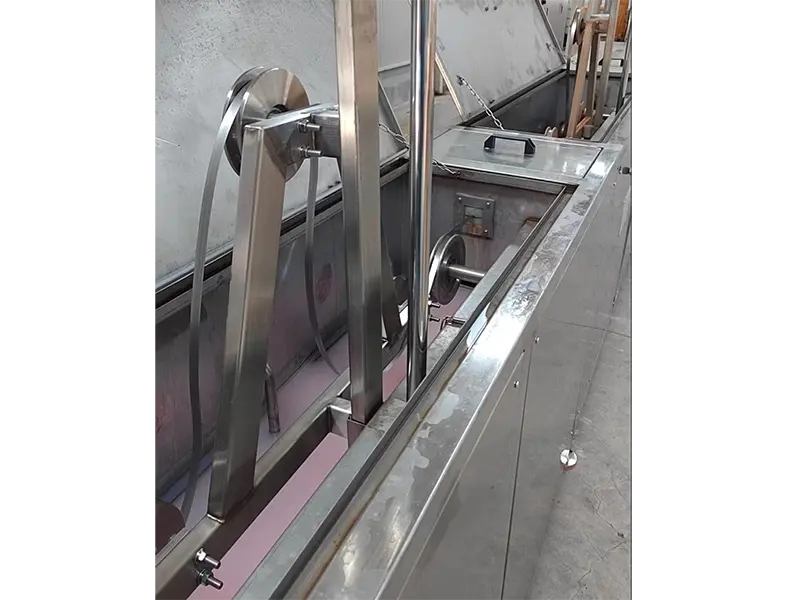
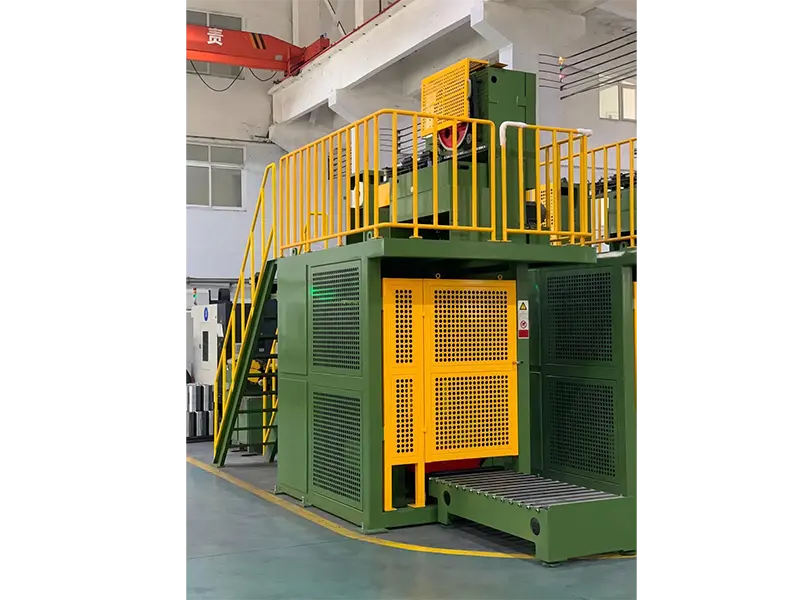
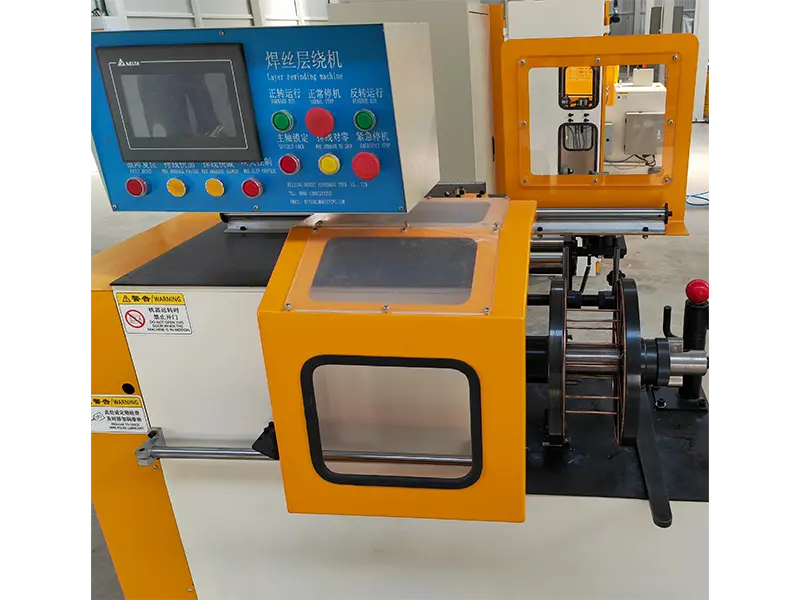
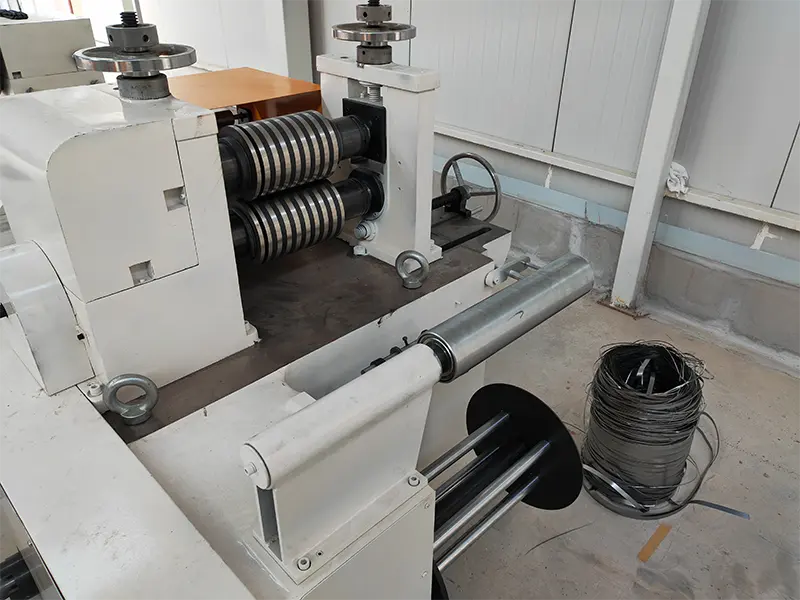
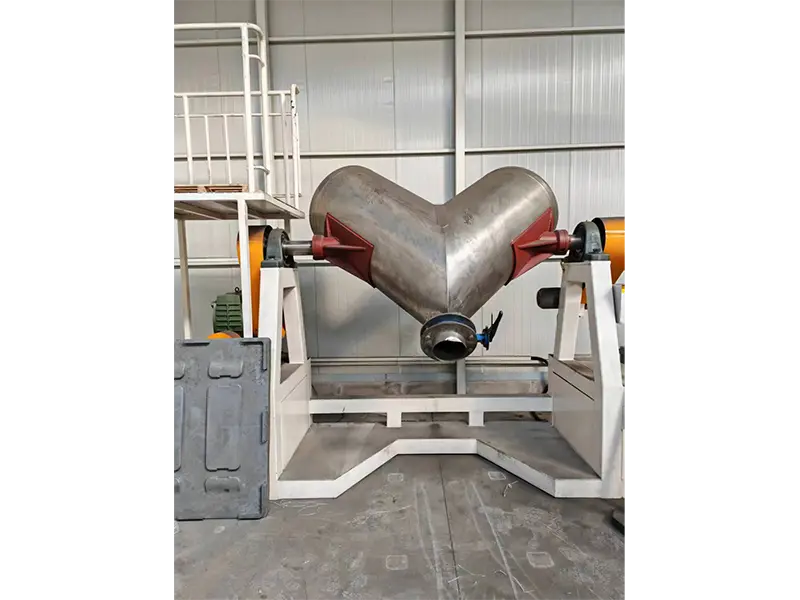
Integrated manufacturing machinery built to process wire from steel strip to final packaged product.
Analyzing key developments in automated continuous manufacturing from 2025 onwards.
Modern butt welding systems are transitioning from manual alignment to automatic detection systems. High-definition vision sensors monitor joint gaps and thickness profiles before welding, while integrated infrared pyrometers record the temperature curve during annealing. This data is logged directly into the factory MES (Manufacturing Execution System) to ensure full quality traceability.
Traditional electric resistance heating can cause non-uniform thermal distribution in wide strips. The industry is moving toward high-frequency induction annealing coils. These systems focus heat directly on the weld seam, minimizing energy waste in surrounding clamping blocks and reducing overall power draw by up to 30%.
Scenario A: Continuous High-Carbon Steel Wire Drawing
In high-carbon wire drawing operations, wire fractures inside the wet drawing machine cause significant production downtime. An operator takes average butt-welded joints, claps them in the pneumatic annealing jaws, and applies a multi-stage tempering sequence. The resulting weld zone exhibits tensile strength matching 95% of the raw wire rod, preventing breaks during downstream drawing steps.
Scenario B: Structural Steel Flux-Cored Wire Production
Flux-cored wire manufacturers use steel strip slitted to widths of 12-16mm. During coil changes, the tail of the processed coil is sheared straight and welded to the leading edge of the new coil. The inline hydraulic shear and strip butt welder with an integrated post-weld annealing station completes this transition in under 90 seconds. This setup keeps the downstream forming and filling line running continuously at high speeds.
A focus on product quality, engineering expertise, and responsive customer service.
We source critical tooling and wear components from European suppliers to maintain high reliability.
Hundreds of our wire processing lines and auxiliary welding units are in active operation worldwide.
Our engineering support handles pre-sale layout design, on-site installation, training, and remote troubleshooting.
We work with our clients to refine machine features based on real-world operator feedback.
Direct answers regarding parameters, operation, and import protocols for international buyers.
During the electrical resistance welding process, the rapid temperature rise and immediate cooling create a hard, martensitic microstructural zone. This zone is brittle and will fracture under the mechanical stresses of drawing or roll-forming. The integrated annealer reheats this zone to a controlled temperature, tempering the martensite back into a ductile pearlitic/ferritic structure that can be processed without breaking.
We supply a complete technical documentation package, including the CE Declaration of Conformity, operation manual, electrical schematics, pneumatic schematics, foundation drawings, and a recommended spare parts list.
We accept a 30% deposit via Telegraphic Transfer (T/T), with the remaining 70% balance paid by irrevocable Letter of Credit (L/C) at sight or T/T against the copy of the Bill of Lading (B/L).
The standard guarantee period is 12 months from the date of machine commissioning at your facility. This warranty covers manufacturing defects and structural failures under normal operating conditions. It does not cover consumable parts (such as clamping jaws and shear blades) or damage resulting from operator error.
Production times generally range between 2 to 3 months, depending on the machine specifications and customization requirements. Definitive schedules are provided with our official quotation.
Yes. The clamping system and current control are adjustable. Our PLC systems store multiple programs, allowing operators to switch parameters to suit low-carbon steels, high-carbon steels, or specific alloys and strip widths.
We secure all machinery inside sea containers using steel wire ropes, timber bracing, and anti-corrosion barrier packaging to prevent moisture damage during transit.
Industrial machinery designed for high durability and continuous operation.
 Orient PengSheng