Explore our advanced engineered lines, drawing machinery, and quality control systems designed for seamless integration and zero-defect output.
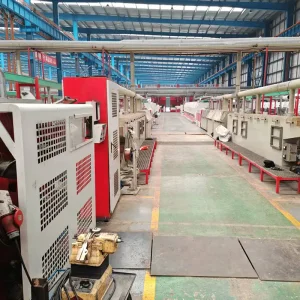
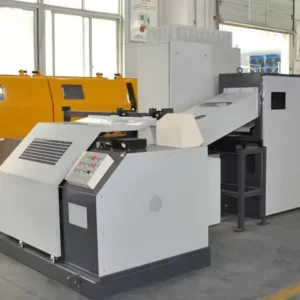
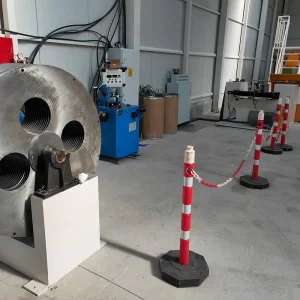
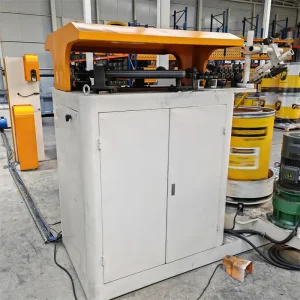
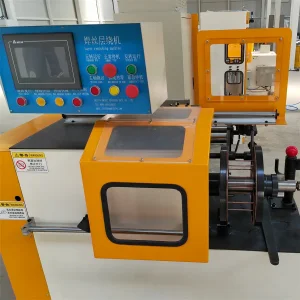
Beijing Orient Pengsheng Tech. Co., Ltd. was established in 2011, leveraging a deep foundation of over 20 years of technical expertise in flux-cored welding wire manufacturing machines. Backed by solid European partnerships and dedicated R&D engineers, we have engineered and developed our own state-of-the-art technological systems and manufacturing solutions in this highly specialized segment.
Our commitment is simple yet profound: to deliver flux-cored welding wire (FCW) production systems configured with the latest automation technology, achieving superior reliability, precision, and low-maintenance overhead. We support manufacturing plants worldwide, establishing custom-designed facilities that transform raw steel strips into premium industrial-grade flux-cored welding wires.
Combining heavy-duty mechanical engineering, advanced powder-filling mechanisms, and European-aligned design standards for complete peace of mind.
We use advanced manufacturing systems where critical core machinery components and electronics are imported directly from leading partners in Europe, ensuring high precision and component longevity.
We have successfully supplied and commissioned hundreds of machine installations and complete production lines across the global market, proving high yield stability and operational robustness.
Our dedicated, university-educated engineering teams handle installation, calibration, and training. Active pre-sales consultation and quick-response after-sales care ensure high operational uptime.
We work in close cooperation with clients to continuously update systems based on user feedback. Customized configurations help production plants resolve site-specific issues.
Beijing Orient Pengsheng Tech. Co., Ltd supplies complete machinery modules to produce flux-cored welding wires conforming to international welding quality standards.
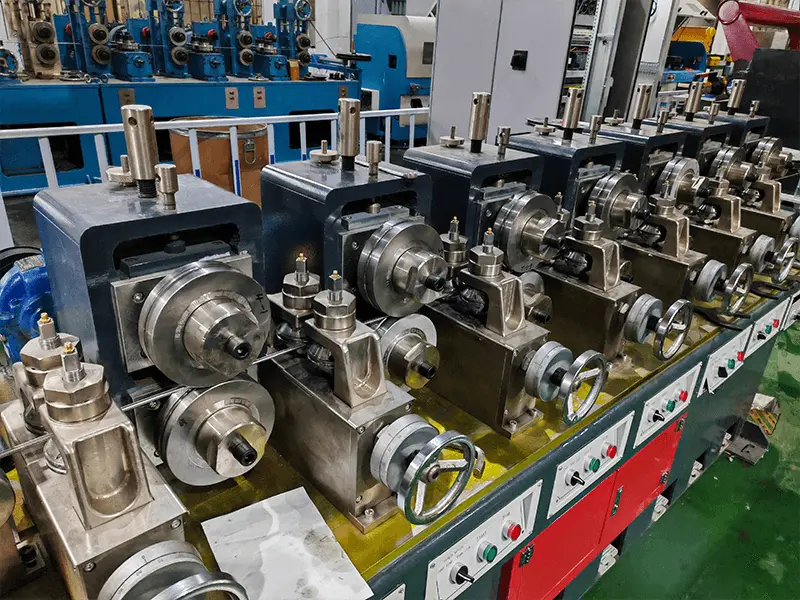
Divides raw steel coils of standard width into narrower, high-precision strips, laying the groundwork for uniform tube forming.
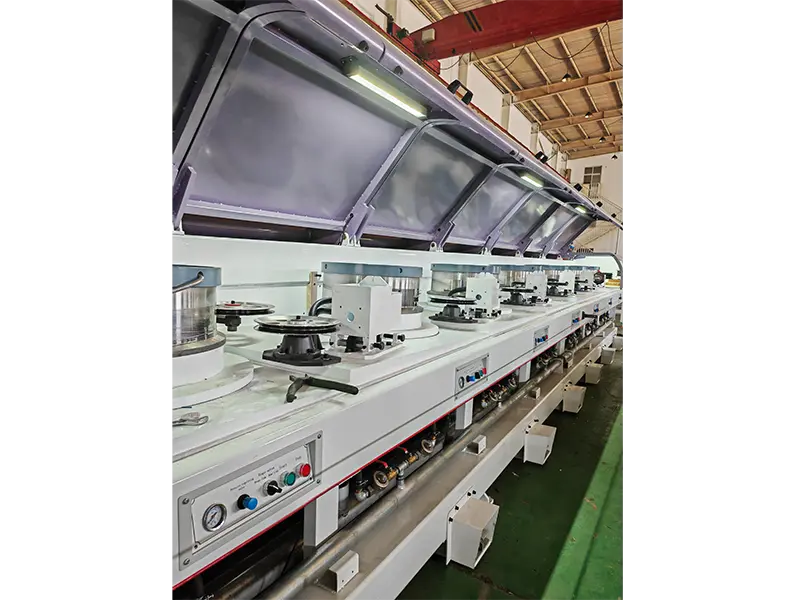
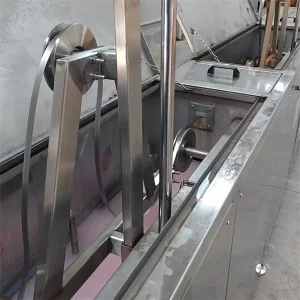
Removes grease, rust, and surface contaminants from steel strips, preventing hydrogen enrichment and ensuring low weld spatter.
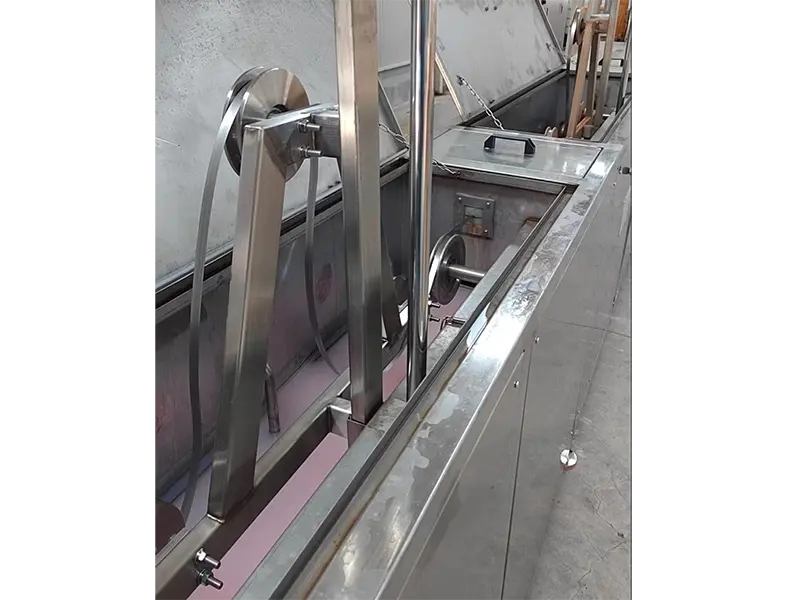
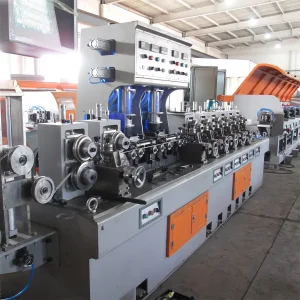
Uses multi-station rollers to form steel strip into a U-profile, then fills it with powder before closing it via a butt seam or overlap design.
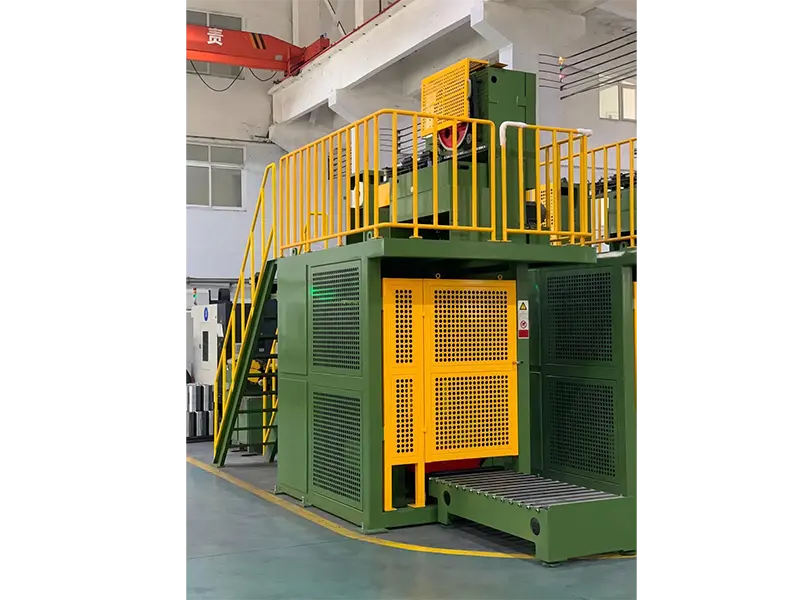
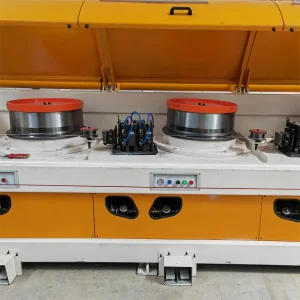
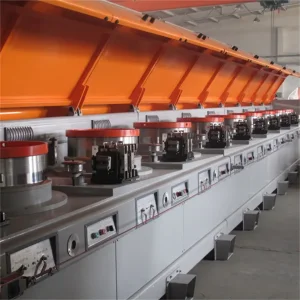
Uses straight-line drawing units and cassettes to reduce diameter to final specifications, ensuring consistent density.
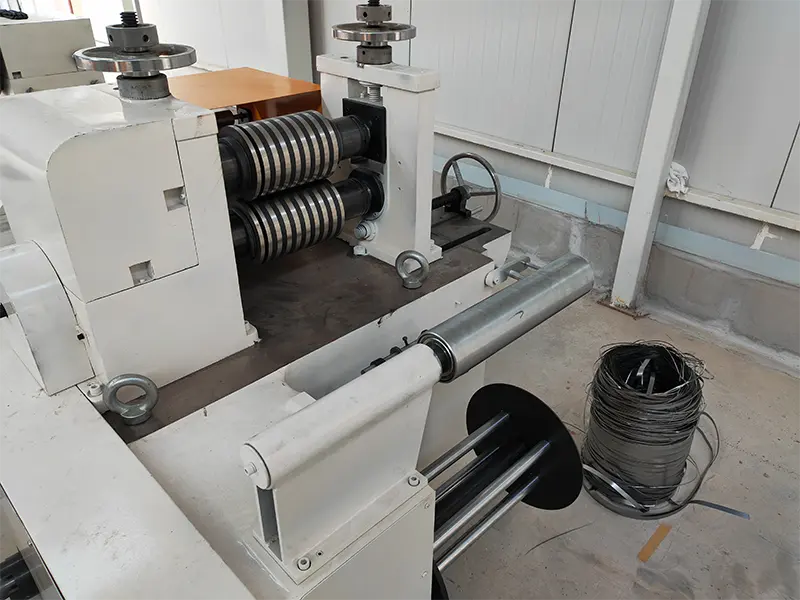
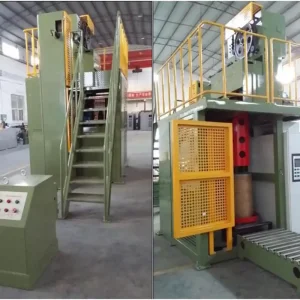
Packs wire into high-capacity drums for robotic welding systems, reducing spool changes in high-volume settings.
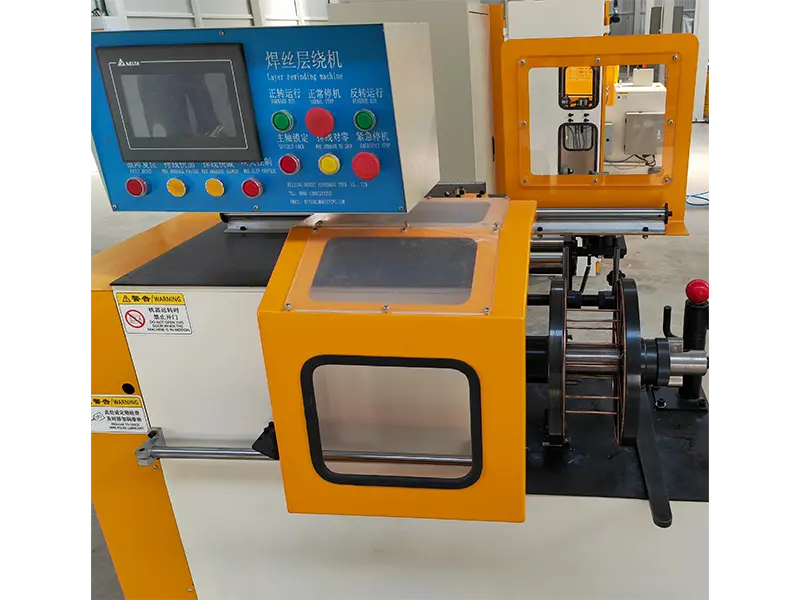
Re-spools wires onto plastic or wire spools at high speeds, maintaining stable tension and neat layout.
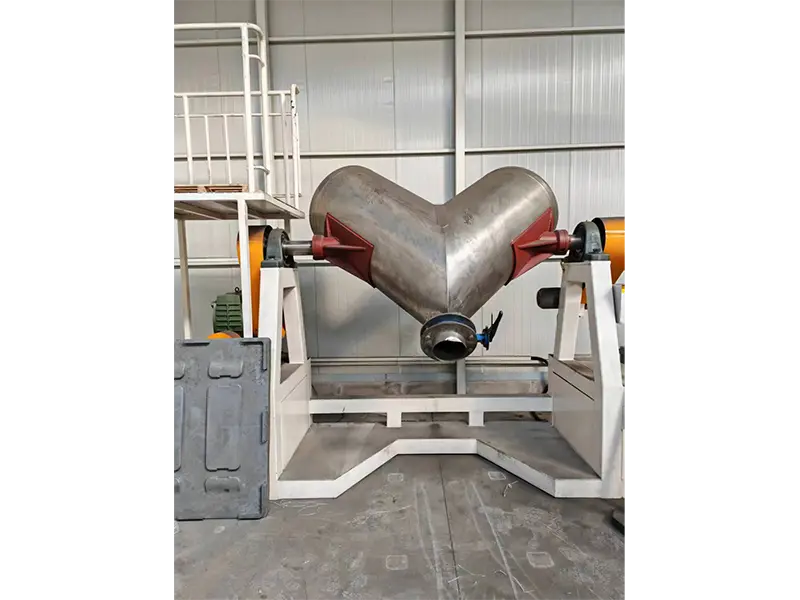
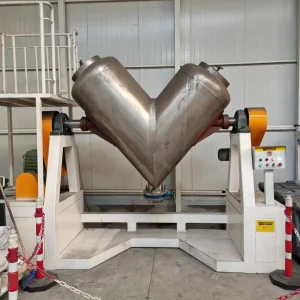
Handles powder mixing, baking, and sifting to ensure uniform moisture and chemistry in the cored material.
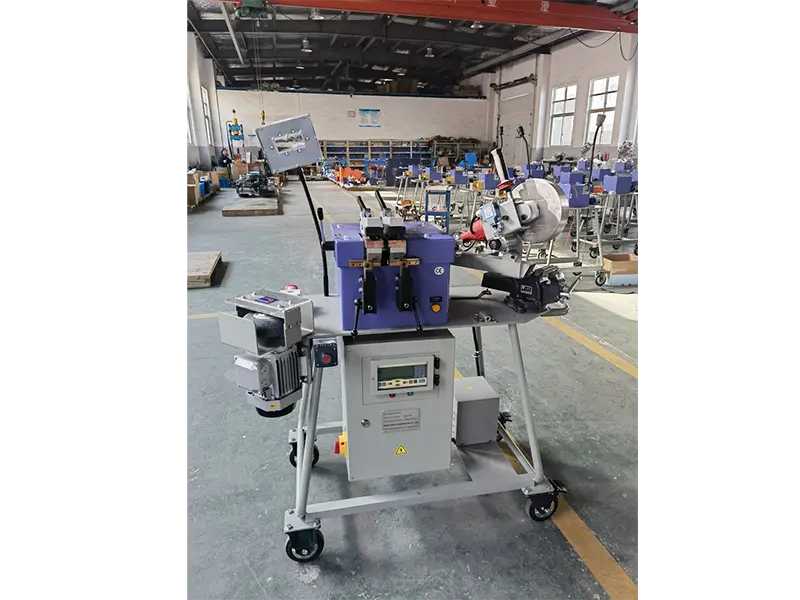
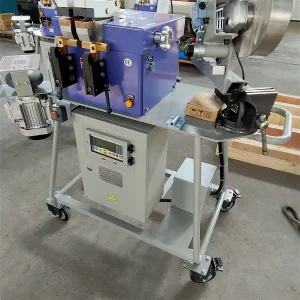
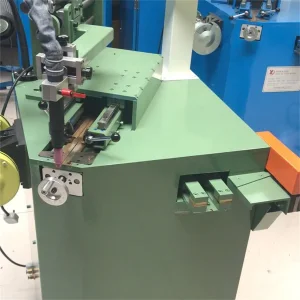
Auxiliary tools for quick coil splicing, helping maintain continuous operation and reducing downtime.
A deep look into metallurgical parameters, filling precision, drawing mechanics, and system configuration for next-generation flux-cored welding wire production.
Unlike solid GMAW wires, flux-cored arc welding (FCAW) wires consist of a steel sheath surrounding a core of powdered flux. The production process begins with a low-carbon steel strip, which is cleaned, profiled into a U-shape, filled with flux ingredients, folded, and drawn down to target diameters. The composition of the cored powder determines arc stability, slag viscosity, deposition efficiency, and weld pool dynamics.
Achieving a consistent powder-to-sheath filling ratio is critical. Variations in filling can cause arc instability, weld defects, or wire breaks during drawing. Our machines use gravimetric feeding systems synchronized with line speed to keep filling ratio tolerances within ±0.2%, ensuring high product uniformity.
Hydrogen embrittlement is a primary cause of cold cracking in high-strength welds. Contaminants such as drawing lubricants or rolling oil on the steel strip are sources of atomic hydrogen. Our integrated multi-stage ultrasonic cleaning system strips oil, rust, and micro-particles from the steel strip before profiling. High-frequency ultrasonic transducers generate cavitation bubbles that clean the strip surface thoroughly, helping the finished wire meet AWS low-hydrogen standards.
Drawing cored wire presents unique challenges. Because the core contains loose powder, pulling forces must be carefully managed to avoid breaking the wire or slipping at the drawing capstans. Our straight-line drawing machines feature independent, PLC-synchronized AC servo drives on each block. Tension control is maintained via dancer arms, and we use drawing cassettes with adjustable rolls rather than conventional static dies. This reduces mechanical stress, minimizes friction, lowers power consumption, and ensures uniform diameter tolerance.
Our forming machines support both butt-seam and overlap seam wire geometries. Overlap seams are common for standard carbon and low-alloy steel wires, providing a mechanical lock that keeps powder contained during drawing. Butt-seams are often used for seamless flux-cored wires, where the joint is induction-welded to create a continuous tube. This hermetically seals the core, providing high resistance to moisture absorption during storage.
Analyzing industry demand for flux-cored consumables in global markets and infrastructure projects.
In heavy industrial fabrication, such as offshore wind towers, oil & gas pipelines, pressure vessels, and shipbuilding, companies are increasingly shifting from solid MIG wires and stick electrodes to flux-cored wires. FCAW wires offer higher deposition rates and better weld puddle control, improving productivity in out-of-position welding.
Modern automated fabrication relies on consistent cored consumables to minimize defects in robotic welding stations. We supply turnkey production lines that allow regional manufacturers to produce high-grade consumables locally, reducing dependence on imports and improving supply chain resilience.
Ensuring compliance with international standards through technical document support and field engineering services.
All Beijing Orient Pengsheng equipment is built in compliance with CE safety codes and ISO standards, ensuring compliance with factory regulations in European and North American markets. Every production line undergoes factory acceptance testing (FAT) before shipment.
We provide full documentation, including electrical schematics, tooling blueprints, wear-parts lists, and operation manuals. Our engineers assist with site layout planning, utility connections, installation, calibration, and personnel training. In addition, we maintain a stock of critical spare parts, drawing cassettes, and tungsten carbide rollers to ensure quick replacement support.
Integrating digital manufacturing systems, automated quality control, and energy-efficient processing.
Manufacturing is evolving toward digitized production. Our next-generation systems integrate IoT-enabled sensor arrays that monitor filling rates, strip tension, and drawing temperatures in real-time. If parameters deviate from tolerances, the PLC dynamically adjusts motor speeds and powder feed rates to prevent defects.
We are also focusing on reducing the environmental footprint of production. Our latest cleaning lines utilize closed-loop filtration to reuse water, and we are developing eco-friendly synthetic drawing lubricants that reduce cleaning energy requirements before final winding. These improvements help manufacturers lower energy consumption and waste.
Answers to common questions regarding logistics, pricing, warranty, and technical operations.
Explore the complete machinery modules used in our production lines to ensure precision forming, drawing, and spooling.
 Orient PengSheng