Pioneering hardfacing and flux-cored wire production systems engineered for optimum metallurgical performance.
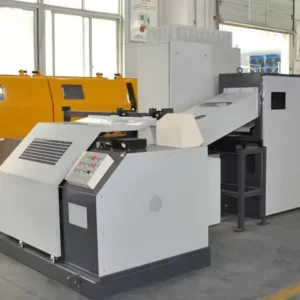
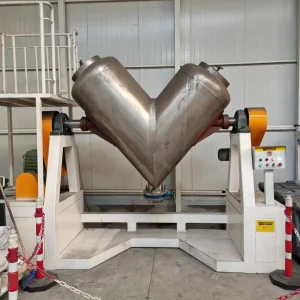
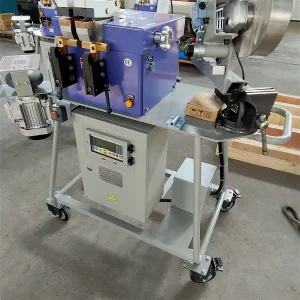
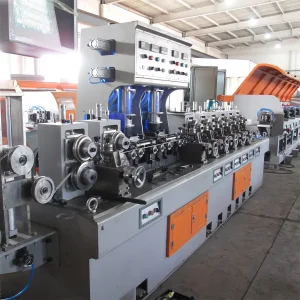
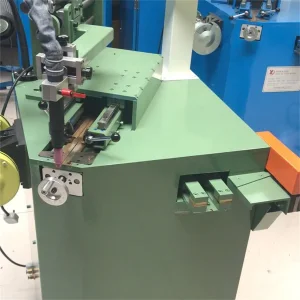
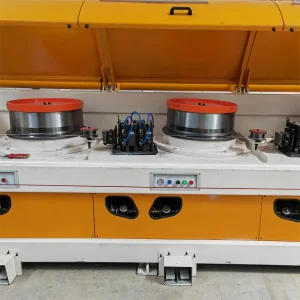
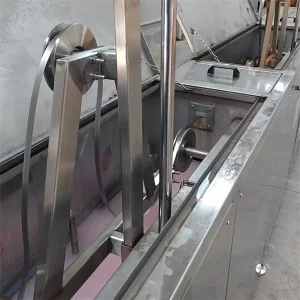
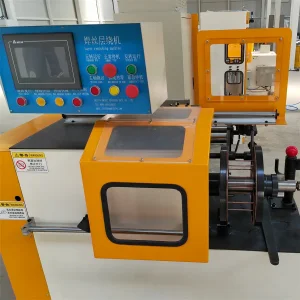
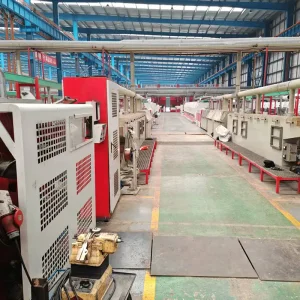
Beijing Orient Pengsheng Tech. Co., Ltd. was established in 2011. However, we have more than 20 years experience with flux cored welding wire manufacturing machines. With our European technical cooperator support and our innovation, we already build our own technology & know-how, manufacturing facilities and management in this field. We dedicate to supply the FCW machines with the latest technology and the best quality.
Our ongoing mission is to push the boundaries of automated hardware processing and powder deposition control, ensuring that global manufacturers can develop superior hardfacing overlays, flux-cored consumables, and advanced joining materials with zero material compromises.
Exploring the metallurgical requirements, commercial dynamics, and technological frameworks transforming heavy industrial applications.
In heavy industries such as mining, cement manufacturing, steel refining, power generation, and earthmoving, equipment is continuously subjected to severe mechanical degradation. This loss occurs via structural wear mechanisms including abrasive scrubbing, heavy impact, high-stress gouging, chemical corrosion, and elevated temperature erosion. According to industrial tribology studies, mechanical wear and failure accounts for up to 3.5% of a nation's GDP in maintenance overhead, spare parts acquisition, and unscheduled downtime.
Hard surface welding (often termed hardfacing or cladding) is the vital metallurgical process of depositing a highly durable alloy coating onto the surface of carbon or low-alloy steel components. This technique dramatically extends component lifespans by up to 300% to 800%. However, the core challenge lies in the supply and localized manufacturing of these specialized welding consumables—predominantly custom-formulated Flux-Cored Wires (FCW).
Hard surface welding wire chemistry can vary wildly depending on the application environment. Typical hardfacing categories include:
Producing these complex formulations requires highly precise machinery. The exact weight-to-weight filling ratio of the powder inside the steel strip sheath is crucial; even a 0.5% variance in powder distribution can result in metallurgical hot-spots, phase imbalances, cracking, or premature overlay failure on site.
Procuring pre-made hardfacing wire globally poses significant financial and logistic hurdles. Welding wire is highly susceptible to humidity and oxidization during transport, causing hydrogen embrittlement during subsequent deposition. Consequently, industrial conglomerates, large mining hubs, and specialized maintenance workshops are increasingly investing in localized *Flux-Cored Welding Wire (FCW) Production Lines*.
By establishing an in-house manufacturing loop, operators can slit structural carbon steel strip, mix proprietary mineral-alloy powders, form the tube, draw the wire down to target diameters (1.2mm, 1.6mm, 2.4mm, 2.8mm, or 3.2mm), and package it on-demand. This model eliminates transport delays, reduces stock management costs, and allows for rapid customization of alloy formulations to suit immediate operational needs.
How Beijing Orient Pengsheng Tech machinery structures the continuous transformation of raw steel strip and powder into high-grade hardfacing wire.
The manufacturing sequence begins with low carbon steel strip coils. High-precision slitting machines divide the wide master coils into narrow, perfectly uniform widths (typically 12mm to 16mm) with zero burr, forming the foundation of the cladding sheath.
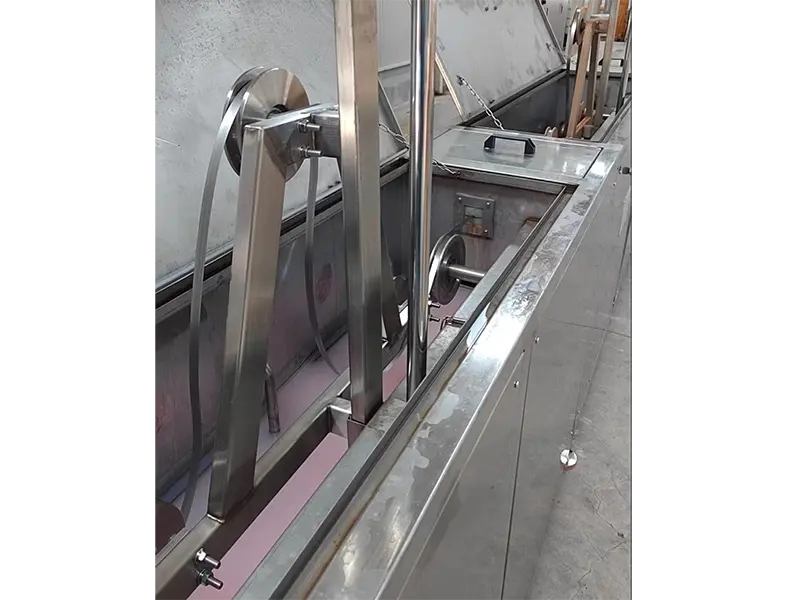
Any residual lubricant, mill scale, or grease on the steel strip will contaminate the chemical profile and cause weld porosity. Ultrasonic cleaning systems submerge and scrub the strip at high frequencies to guarantee pristine metallic contact.
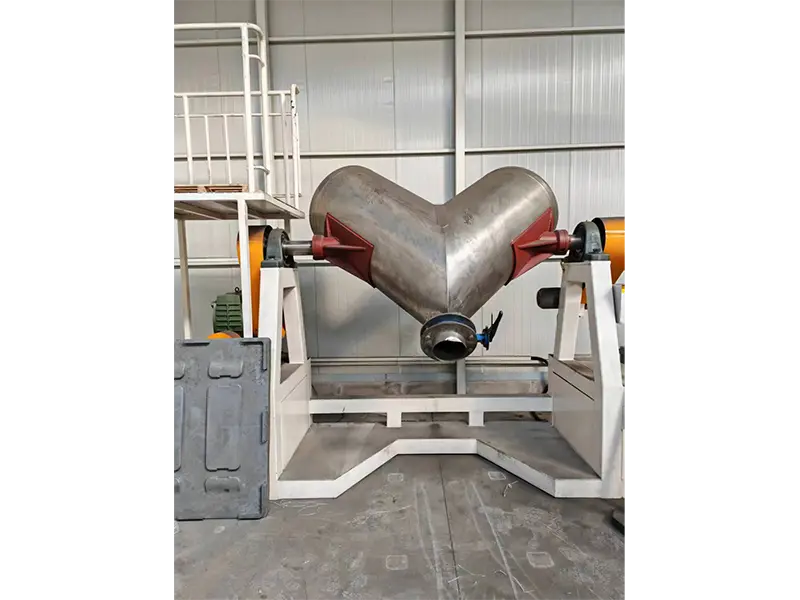
High-precision flux powder mixers blend chromium, niobium, manganese, and other alloy additions. In the forming station, the steel strip is shaped into a "U" trough, and the mixed powder is fed in continuously using gravimetric loss-in-weight systems, ensuring consistent filling rates.
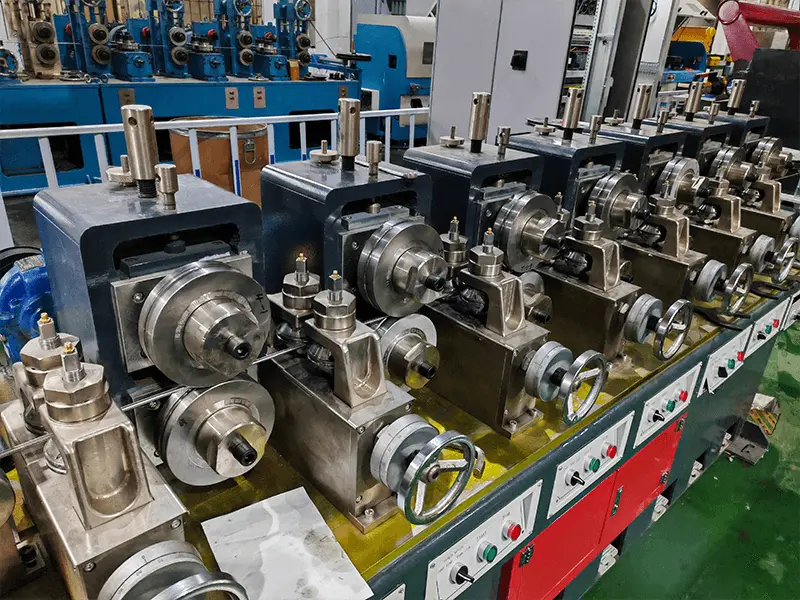
The "U" profile is progressively rolled into a closed tubular shape. Depending on the application, we deploy either butt-seam configurations or overlapping joint profiles to ensure the dry powder remains completely sealed during subsequent high-pressure drawing.
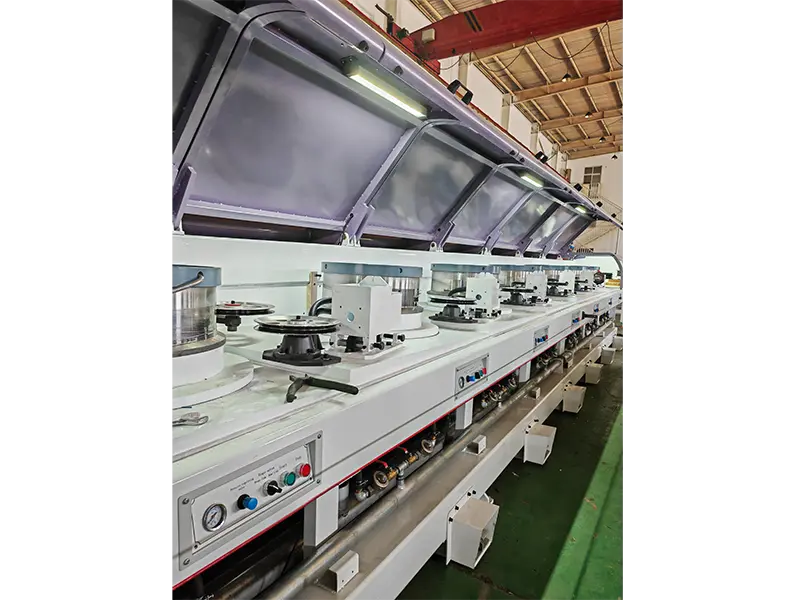
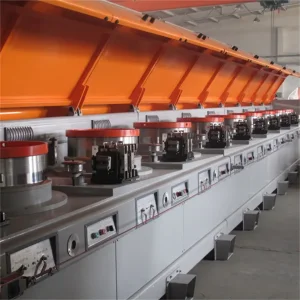
The wire must be drawn down from its initial diameter (typically 6mm or 8mm) to final sizes like 1.6mm or 2.8mm. Using CE-certified drawing machines, high-precision drawing dies, and rolling cassettes, the wire is reduced under strict speed and temperature controls to maintain the integrity of the inner powder column.
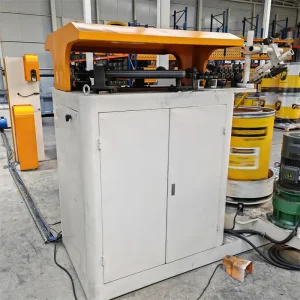
The final step demands clean, tang-free winding. High-precision layer rewinders wrap the wire onto spools. For bulk industrial use, drum packaging machines and pail packaging machines package the wire into barrels, ready for automated cladding robots.
Empowering hardfacing wire suppliers with European technical heritage, production reliability, and robust after-sales support.
We use advanced manufacturing equipment, and core components are imported directly from Europe to guarantee tight tolerances and high mechanical reliability.
With hundreds of installations globally, our lines are refined through field feedback to deliver stable, round-the-clock industrial operation.
Our dedicated service department features university-educated technicians with rich backgrounds in metal processing and electrical automation.
We work closely with customers to collect operational feedback and refine our machinery. We offer customized configurations to suit diverse processing needs.
Beijing Orient Pengsheng Tech supplies a comprehensive range of machinery to produce flux-cored welding wires that meet strict international standards.
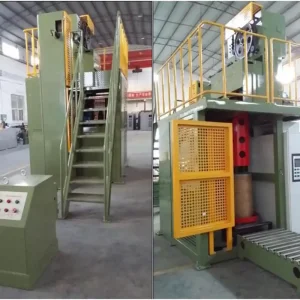
Divides the master steel coil into precise widths suitable for forming. Designed to process varying tensile strengths with high speed stability and low wear on the cutting tooling.
Guarantees zero contamination of the steel strip. Removes drawing lubricants and atmospheric residue from the strip surfaces before forming and filling.
Forms the clean strip steel into U-troughs and tubular profiles, wrapping around the powder formulation with tight mechanical locks to prevent filling leaks.
Continuous straight-line reduction machines pull the wire through optimized draft plans. Minimizes friction, heat generation, and mechanical stress on the wire core.
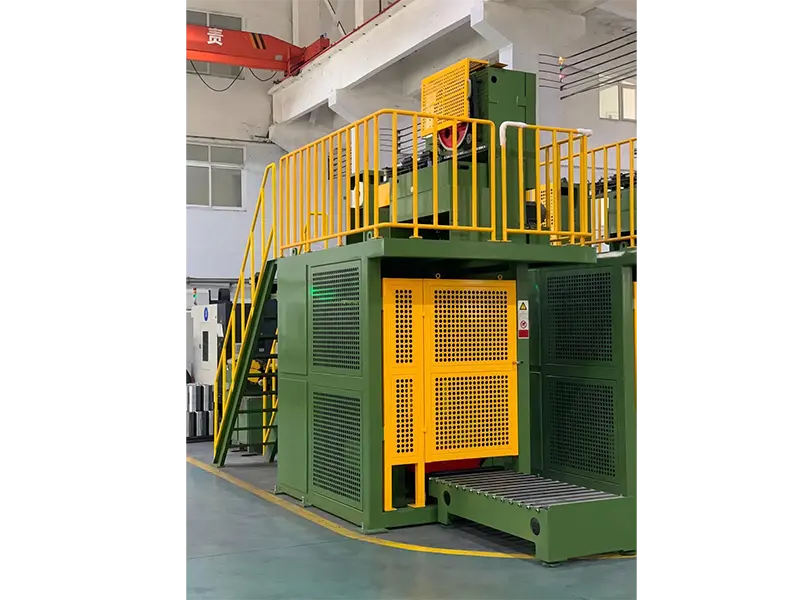
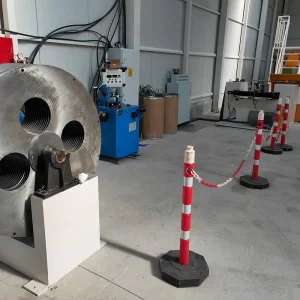
Winds finished hardfacing wire into drums for high-duty cladding systems. Preserves the wire from tangling and keeps it clean for continuous robot feeding.
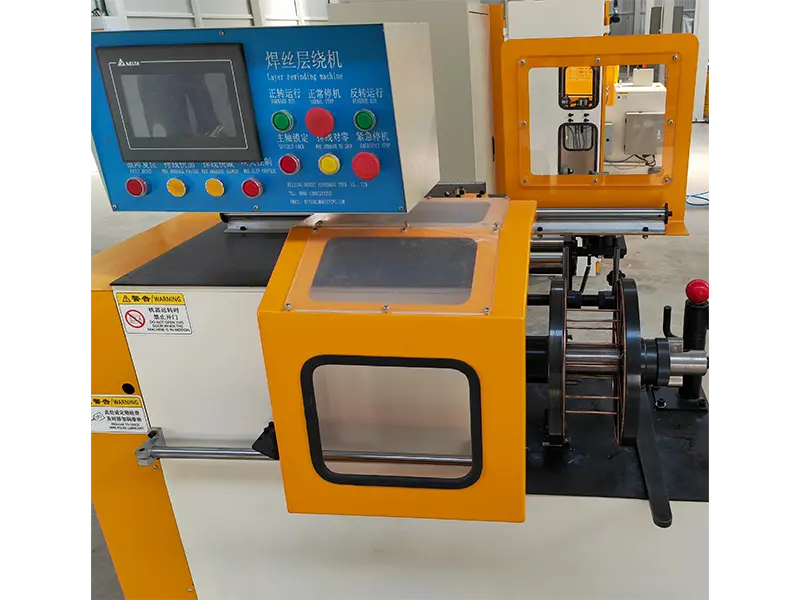
Ensures perfect spool winding. Controlled layer-by-layer wire alignment prevents feeding issues during manual or semi-automatic field welding.
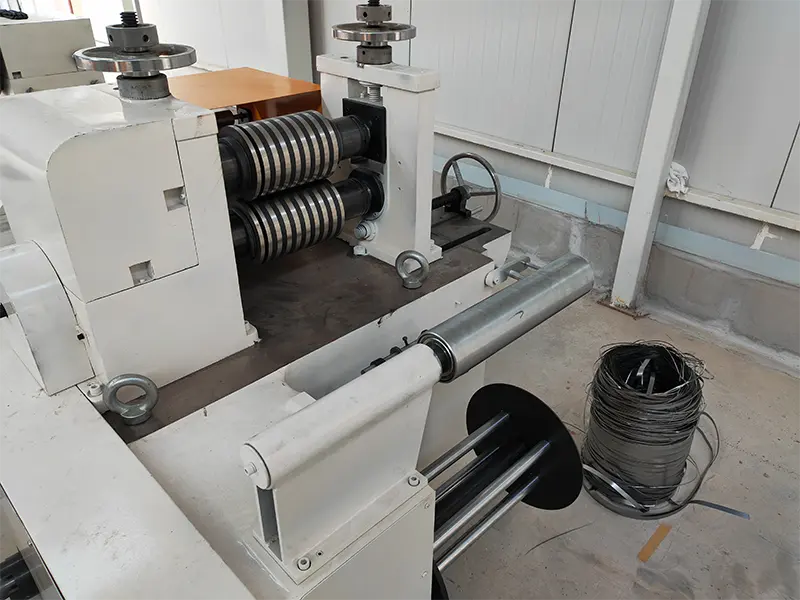
Includes advanced powder mixing systems, heating ovens, and vibrating mesh screens to prepare flux powder formulations for optimal welding performance.
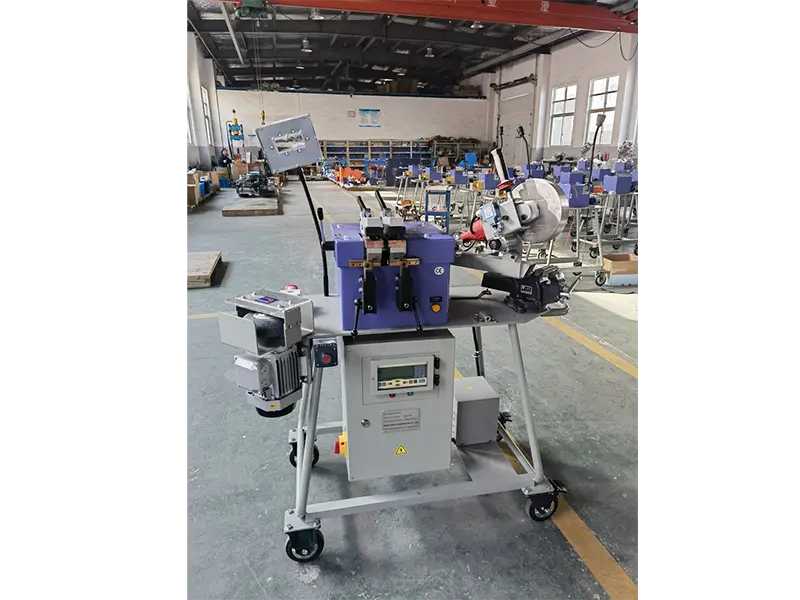
Equipped with automatic strip butt welders and steel wire butt welders to enable continuous line feeding, minimizing downtime for roll changes.
Answering core technical and commercial questions on hardfacing wire production lines and machinery purchasing.
Beijing Orient Pengsheng Tech is dedicated to building robust industrial lines for customers worldwide. Thanks to the trust of our clients, we have installed lines in Western Europe, the Americas, and across more than 10 countries.
If you are planning to establish or optimize your flux-cored welding wire production facility, our engineering team is here to support you. We provide custom-tailored line designs to match your specific metallurgical target chemistry, drawing constraints, and factory space requirements.
Complementary equipment for slitting, spooling, packaging, and high-precision wear component support.
 Orient PengSheng