Explore our top-performing steel strip, copper wire, and busbar processing machinery engineered to optimize industrial production output and meet rigorous European standards.
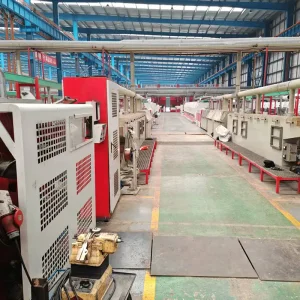
Highly efficient production lines featuring automated control systems for premium solid wire output.
View Details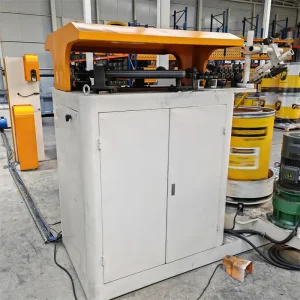
Continuous, heavy-duty layer spooling and drum-packing systems built for export-grade compliance.
View Details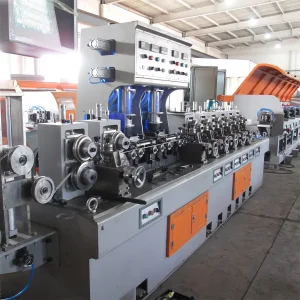
Versatile strip forming machines for precise tubular profiles and overlapping mechanical joints.
View Details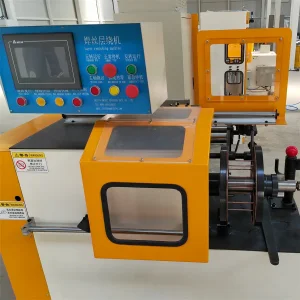
CE-marked rewinding machinery delivering perfect alignment and tension for various wire grades.
View Details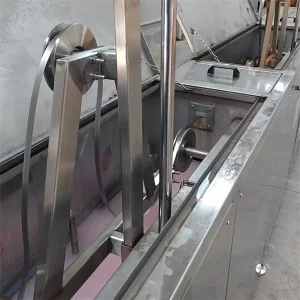
Removes grease, rust, and surface contaminants using high-frequency cavitation technology.
View Details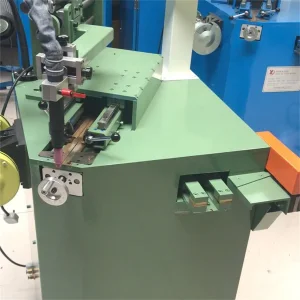
Ensures structural integration during continuous strip processing and tin coating lines.
View Details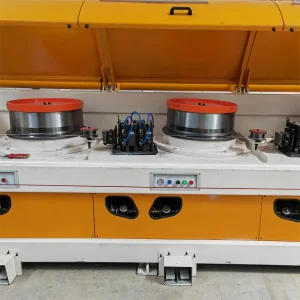
High-speed straight-line drawing equipment optimized for carbon and non-ferrous wire processing.
View Details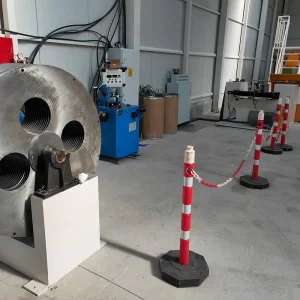
Delivers tight slitting tolerances, clean edges, and optimal coil tension control.
View DetailsIn modern high-voltage and high-current electrical infrastructure, raw copper busbars serve as the primary conduits for power transmission. From electric vehicle (EV) battery packs and traction inverters to solar PV stations, data centers, and switchgears, raw copper is the materials designer's default choice due to its exceptional electrical conductivity. However, exposed copper busbars suffer from one structural vulnerability: atmospheric oxidation.
When raw copper reacts with moisture and oxygen, it forms non-conductive layers of copper oxide, significantly increasing contact resistance. Under high operational loads, elevated contact resistance converts valuable electrical power into thermal energy, risking catastrophic grid failures. Furthermore, in sulfur-heavy or maritime environments, bare copper degrades rapidly. Tin coating solves this vulnerability by providing a thin, highly conductive barrier that protects the substrate from corrosion while facilitating effortless soldering and connection maintenance.
Selecting the best tin coating line for copper busbar manufacturers and factories requires a rigorous understanding of continuous electroplating dynamics, acid-to-alkaline bath chemistry, and mechanical tension management. By implementing automated line control, manufacturers achieve a uniform, micro-level tin deposition (ranging from 3 to 15 microns) that complies with strict global regulatory standards like ASTM B545 and DIN EN 13601.
Adding a metallic tin barrier to copper busbars delivers critical mechanical and electrical properties required in modern power distribution systems:
Understanding the mechanical pathways, electrical rectifiers, and chemical baths that define modern copper busbar tinning machinery.
Industrial electro-tinning lines require ultra-clean copper substrates. High-frequency ultrasonic cleaning stages, acid degreasing baths, and micro-etching processes strip away trace oils, metal oxides, and lubricants. Complete surface activation is achieved prior to electrochemical deposition.
Modern lines employ sulfuric or methanesulfonic acid (MSA) based electrolytes. The system modulates current densities through high-frequency IGBT rectifiers, ensuring precise thickness control across the busbar face, corners, and edges without burning the material.
Continuous strip processing relies on dynamic coiling and tensioning. Active dancer arms and closed-loop feedback systems prevent copper deformation. Multi-motor PLC networks synchronize pay-off, chemical bath transport, rinse, dry, and take-up stages.
For large-scale industrial factories, balancing chemistry and line speed is paramount. High-speed plating setups utilize active turbulence nozzles to speed up ion transfer, minimizing the boundary layer effect on the copper surface. This configuration allows lines to run at speeds exceeding 15 meters per minute while maintaining strict coating uniformity (typically ±0.5 microns deviation). Furthermore, advanced wastewater treatment integration ensures that the plating baths comply with modern environmental directives (e.g., RoHS, REACH), capturing and recycling rinse water to decrease fresh-water requirements.
When selecting a Chinese factory partner, global procurement teams focus on structural integrity and localized engineering services:
The global copper busbar market is highly competitive, demanding maximum manufacturing efficiency. Over the past decade, Chinese equipment manufacturers have evolved from low-cost machinery builders into advanced innovators. By leveraging a highly centralized supply chain, specialized logistics, and integrated mechanical casting clusters, Chinese factories produce coating lines that match or exceed the performance of traditional European systems at a lower capital cost.
In addition, the speed of custom development from Chinese factories is unmatched. Because components like precision rectifiers, heavy steel frames, and chemical pump modules are sourced within a single industrial hub, design-to-delivery cycles are reduced by up to 40%. A custom line that takes 12 months to design and manufacture in North America or Europe can frequently be built, tested, and shipped from China in 6 to 8 months.
This efficiency is paired with strict compliance with international standards. Top Chinese exporters design their electrical cabinets to comply with CE certification requirements, utilizing UL-compliant cabling and internationally recognized pneumatic and automation brands (such as Siemens, Schneider Electric, and SMC). This ensures that the machinery is easy to maintain and has ready access to spare parts anywhere in the world.
Analyzing localized application scenarios and the shift toward digital, eco-friendly manufacturing.
Automotive engineers require ultra-reliable battery interconnects. Tin-coated copper busbars protect battery links from galvanic corrosion caused by electrolyte vapor and condensation, ensuring safety and thermal stability across the pack.
Solar and wind inverters run under extreme duty cycles, generating high temperatures. High-grade tin plating maintains optimal contact pressure and structural integrity, preventing electrical arcing in remote power plants.
Power transmission utilities require 20+ year lifetimes for switchgears and sub-panels. Consistent tin coatings prevent atmospheric sulfur corrosion and degradation, reducing long-term maintenance overhead.
Looking ahead, the industry is transitioning toward fully closed-loop plating chemistry. Emerging IoT sensors allow electroplating controllers to monitor copper concentration levels and bath pH in real-time, automatically dosing chemical replenishments to ensure consistent results. Another key trend is the development of lead-free, matte-tin formulations designed to inhibit the growth of tin whiskers. These advanced formulations allow manufacturers to satisfy high-reliability standards in aerospace, telecom, and automotive electronics without relying on lead alloys.
Beijing Orient Pengsheng Tech. Co., Ltd. was established in 2011. With over 20 years of experience in flux-cored welding wire manufacturing machines and advanced wire-processing technologies, we have built a reputation for high-quality engineering. Working alongside European technical partners and driving continuous internal innovation, we have developed our own technology, proprietary know-how, and modern manufacturing facilities.
We specialize in supplying production lines with the latest technology and the best build quality. From raw strip processing and ultrasonic cleaning to high-precision slitting and rewinding, our machinery is built to deliver high uptime and long-term reliability in challenging industrial environments.
Four core pillars that establish Orient Pengsheng as a trusted global manufacturer.
Our core manufacturing and inspection components are imported directly from Europe or built under European technical supervision, ensuring global compliance and high mechanical precision.
We have delivered and commissioned hundreds of machines and lines globally, giving our engineers deep insight into varied operating conditions and local regulations.
Our services cover pre-sales engineering consulting, on-site mechanical installation, system calibration, and post-installation operator training to ensure a smooth project startup.
We closely track equipment feedback from our global customers to continuously upgrade our machinery. We customize line speeds, mechanical layouts, and automation systems to align with your factory’s space and production goals.
Answers to common questions regarding our technology, procurement processes, warranties, and global shipping policies.
High-precision ancillary systems designed to integrate with our primary wire and strip processing lines.
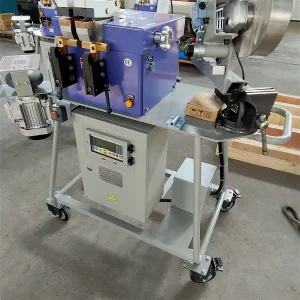
Delivers high mechanical strength butt welds to support continuous drawing operations.
View Details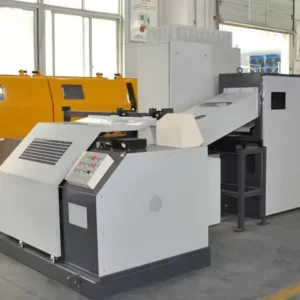
Automated high-speed layer spooling machine for standard steel and non-ferrous wires.
View Details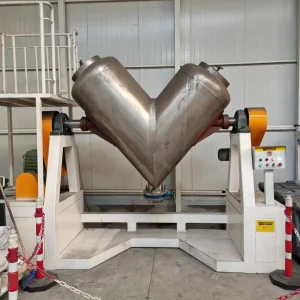
Ensures homogeneous powder blending prior to tube filling stages.
View Details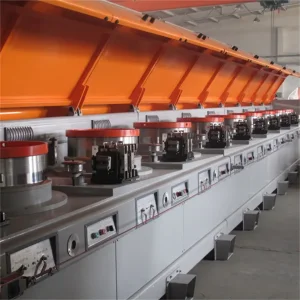
Wear-resistant tooling designed for consistent wire-drawing diameters under high loads.
View Details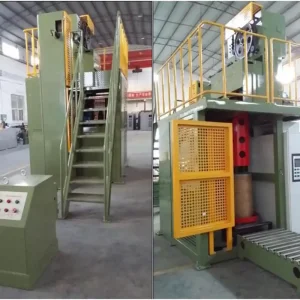
Automated packaging systems for bulk storage and shipping of processed wires.
View Details
High-frequency industrial cleaning solution for pre-plating lines.
View Details
CE-marked straight-type drawing systems with integrated controls.
View Details
Delivers precise edge cuts and high-speed coil winding.
View Details Orient PengSheng