
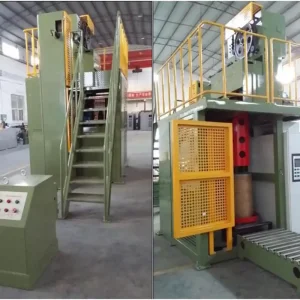
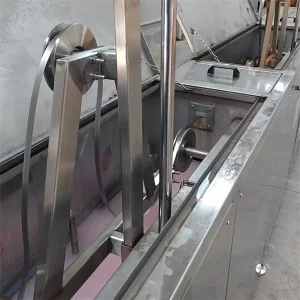
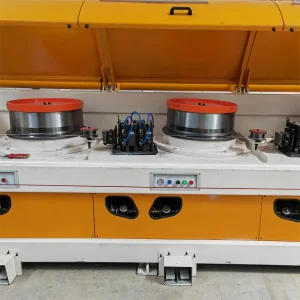
In the modern era of electrification, copper busbars serve as the backbone of electrical distribution networks, electric vehicle (EV) battery packs, switchgears, and industrial control cabinets. While raw copper provides excellent electrical conductivity, it is highly susceptible to atmospheric oxidation, corrosion, and galvanic degradation when paired with other metals.
To combat these challenges, applying a micro-thin, high-adherence tin layer is crucial. Tinning lines are engineering systems designed to apply a precise layer of tin onto copper surfaces through either electroplating (galvanizing) or hot-dip tinning methods.
The resulting barrier prevents copper oxides from developing, lowers contact resistance, facilitates soldering, and drastically extends the operational lifespan of high-voltage power networks. Discovering the right tinning line configuration dictates your production speed, chemical compliance, and overall output quality.
The global shift toward green energy and electric mobility has directly catalyzed an unprecedented surge in demand for tinned copper busbars. As industrial parameters become stricter, producers must adapt to several critical market evolution vectors:
EV battery packs and powertrain systems operate at elevated voltage levels (up to 800V and above). This demands perfectly uniform tin layers with zero micro-cracking to prevent electrical arcing and heat dissipation anomalies.
Global procurement teams now mandate compliance with RoHS, REACH, and strict wastewater emission regulations. Modern tinning lines must employ zero-discharge water loops and lead-free chemical baths.
Human error is being phased out. Leading manufacturers demand smart tinning lines equipped with inline X-ray thickness measurement and real-time current regulation loop feedback systems.

When investing in a copper busbar tinning line, manufacturers face a key strategic choice between two standard processes:
We supply customized configurations optimized for both methodologies, implementing high-velocity air knives for hot-dip thickness control and automated rectifiers for continuous electro-tinning lines.
Established in 2011, Beijing Orient Pengsheng Tech. Co., Ltd. leverages over 20 years of robust engineering experience in manufacturing high-precision metal forming, drawing, and surface treatment lines. Supported by our European technical cooperators and continuous self-driven innovation, we have developed mature technologies and proprietary know-how.
We dedicate ourselves to supplying metal processing machinery—ranging from carbon steel slitting lines to state-of-the-art cleaning, drawing, and continuous wire coating systems—built to the highest international safety and efficiency standards.
Our worldwide footprint spans over 150 complete production lines delivered successfully to more than 10 countries, including prominent manufacturers in Western Europe, the Americas, and Southeast Asia.
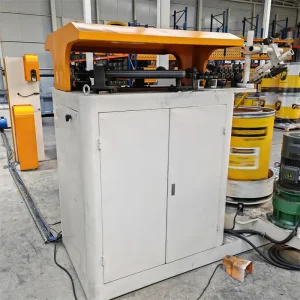
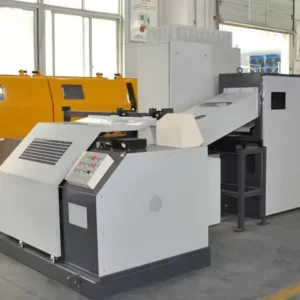
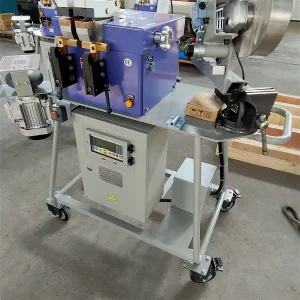
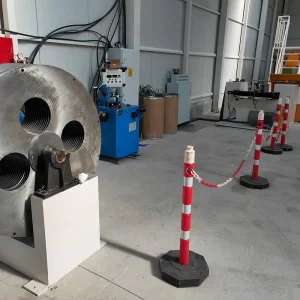
A high-productivity tinning line does not function in isolation. Achieving a defect-free finished copper busbar requires a series of upstream and downstream operations designed to work in synergy.
Wide copper coils are slit into narrow busbar strip blanks. Utilizing our high-precision slitting lines ensures edge burr reduction, preventing uneven current density during plating.
Oil residues and oxides are eliminated using steel/copper strip cleaning lines. A perfectly clean surface guarantees chemical bonding without pinholes.
The core plating or dipping reactor deposits pure tin. Temperature, chemical concentration, and speed are monitored and adjusted automatically.
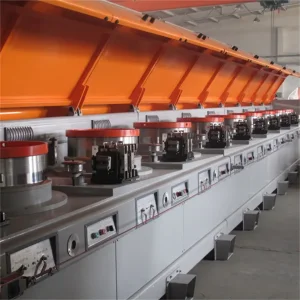
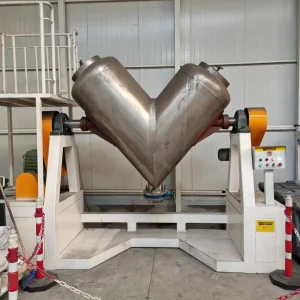
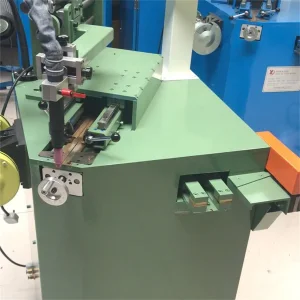
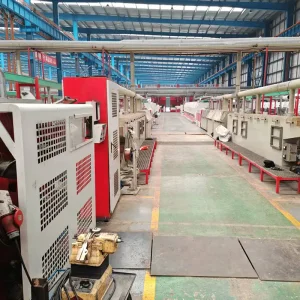
We manufacture high-grade component machinery to construct complete, automated metal processing and packaging plants.
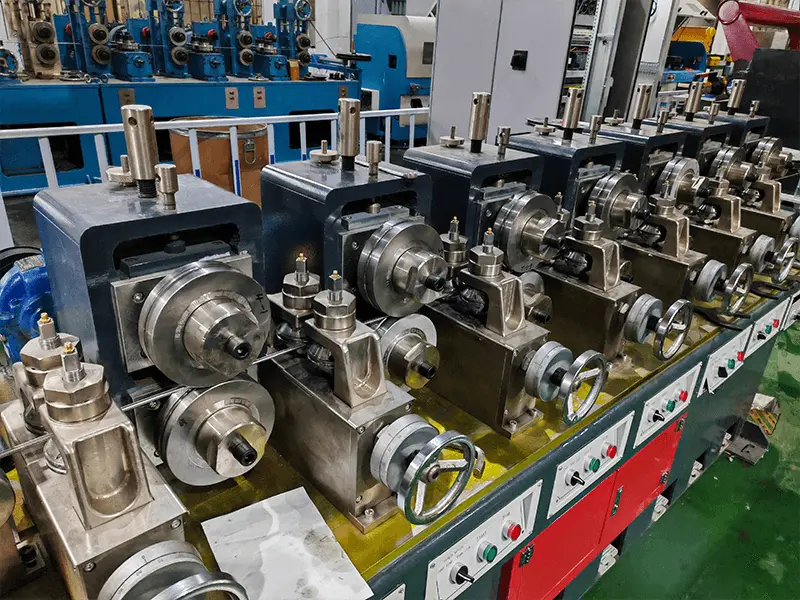
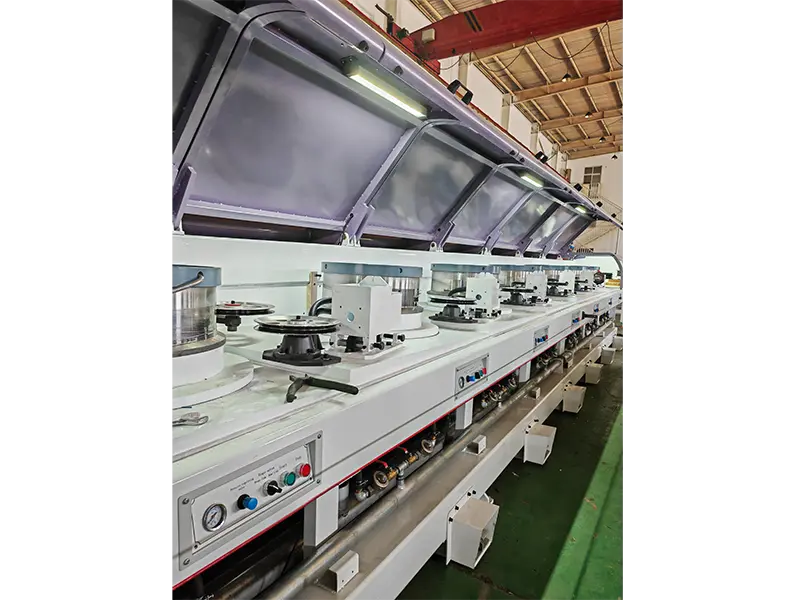
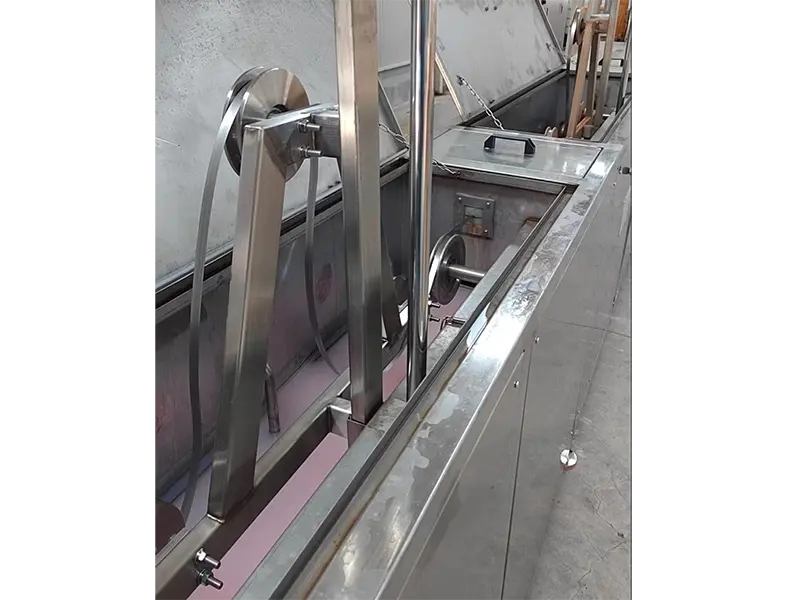
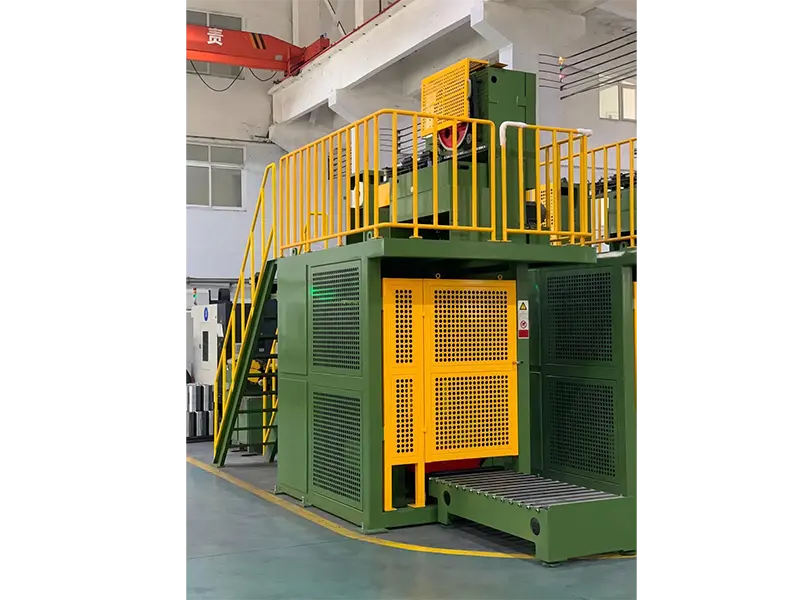
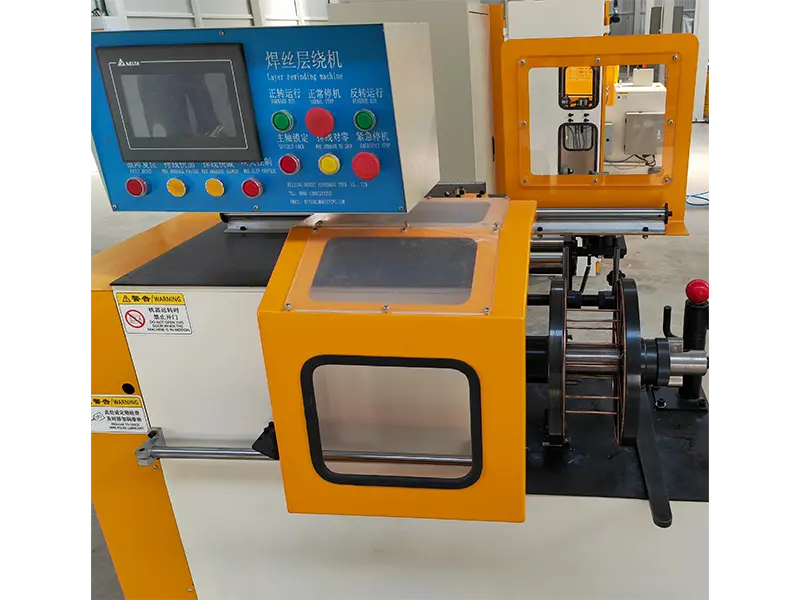
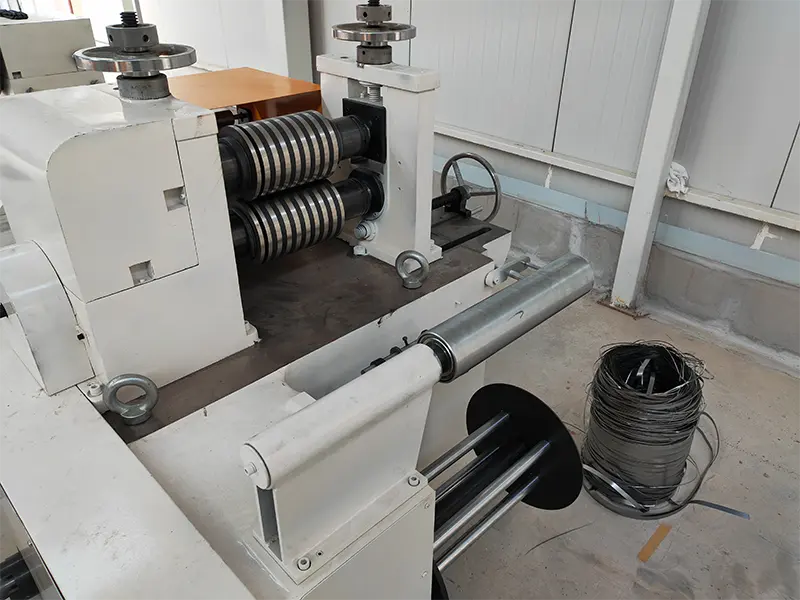
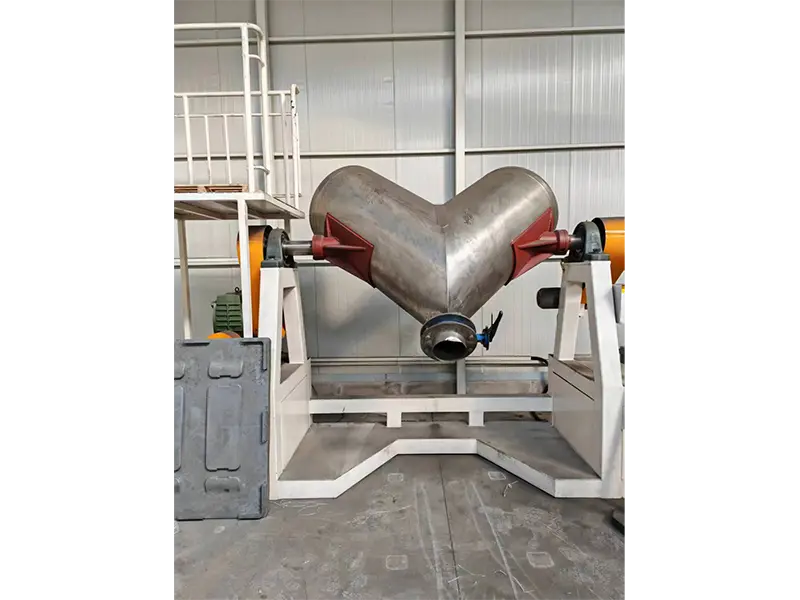
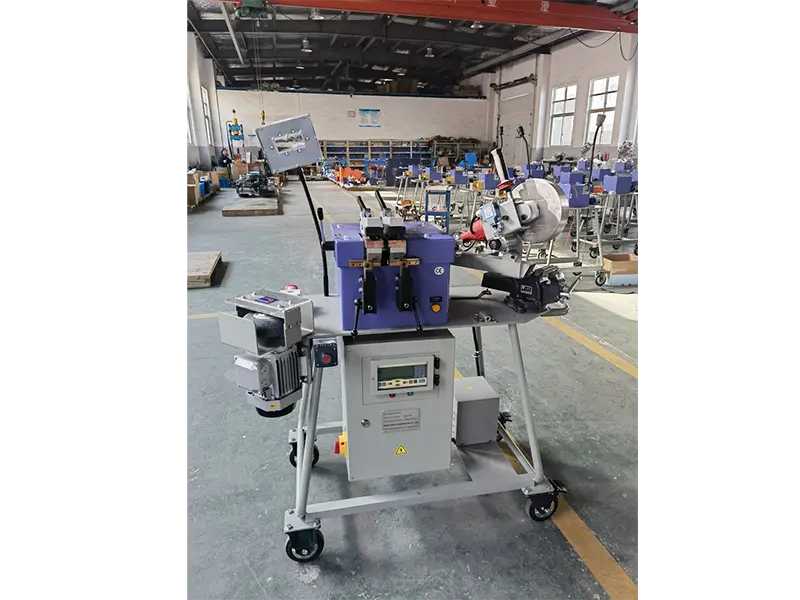
Detailed analysis resolving frequent plant operator and procurement concerns regarding copper busbar tinning machinery.
 Orient PengSheng