Explore our industrial-grade components and high-precision forming machinery designed for modern production plants.
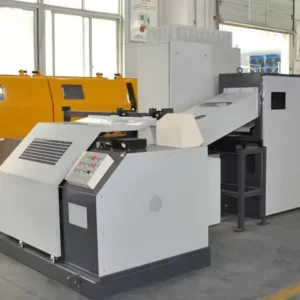
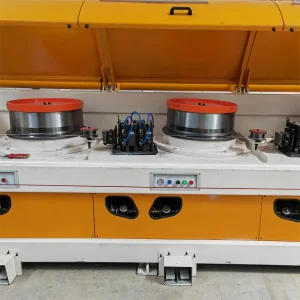
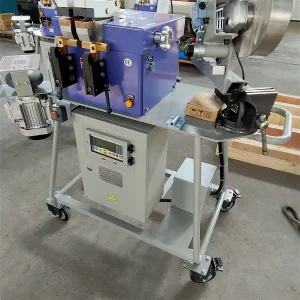
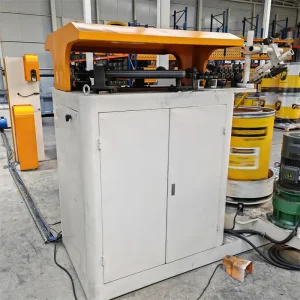
In modern industrial fabrication, the demands placed on welding consumables are higher than ever. High-performance welding in structural steelwork, shipbuilding, offshore oil and gas platforms, and heavy automotive manufacturing requires specialized consumables. Among these, flux cored wires (FCWs) represent a significant technological leap. These wires consist of a hollow metal sheath filled with fluxing powders, alloying elements, and deoxidizers. By leveraging a flux core, manufacturers can significantly increase deposition rates, optimize arc stability, and tailor weld bead characteristics for demanding environments.
Within FCW manufacturing, the geometric configuration of the wire sheath joint defines the core characteristics of the product. The Lap Joint (overlapping type) structure is one of the most reliable and widely used designs. Unlike simple butt-jointed wires, a lap joint mechanical closure ensures that the powdered core is hermetically sealed during the drawing process. This overlapping mechanism prevents any leakage of the fine flux formula during the subsequent multi-stage reduction draws, safeguarding the uniformity of the core-to-sheath ratio. Consistency in this ratio is vital for ensuring stable chemical composition in the weld pool and preventing catastrophic defects like porosity and slag inclusions in critical welds.
As the global manufacturing sector transitions towards automated, high-duty-cycle robotic welding processes, the demand for high-quality, CE-certified flux-cored wire has grown exponentially. In turn, this demand has driven a search for high-precision Flux Cored Lap Joint Welding Wire Forming Machines capable of operating at elevated production speeds while maintaining tight geometric and volumetric tolerances.
Global procurement teams in Europe, the Americas, and developed parts of Asia face complex challenges when sourcing heavy metallurgical production equipment. When purchasing a flux-cored welding wire forming line, reliability, productivity, and strict regulatory compliance are critical considerations. Sourcing agents look beyond raw output metrics to evaluate systems through the lens of long-term operational health, spare parts availability, and safety certifications.
For any machine running in Western Europe, compliance with EU Directives is mandatory. A valid CE Certification on a lap joint forming machine is not just a regulatory formality; it is a verification of robust mechanical and electrical design. Under the Machinery Directive (2006/42/EC) and Low Voltage Directive (2014/35/EU), CE compliance ensures:
Orient Pengsheng Tech Co., Ltd. builds all exported equipment in strict alignment with CE standards, satisfying demanding risk-assessment inspections from global auditing bodies. This proactive compliance lowers barrier entries for factories looking to upgrade their production capability immediately without local safety modifications.
The global manufacturing ecosystem faces continuous headwinds, from raw material price volatility to logistical bottlenecks. In this environment, Chinese machinery manufacturing has evolved. No longer just a high-volume provider, China's precision manufacturing sector has integrated advanced Industry 4.0 paradigms. For partners looking to purchase a flux cored welding wire forming machine, this transition yields direct cost and engineering advantages.
At Beijing Orient Pengsheng Tech Co., Ltd., we combine European engineering logic with China's deeply integrated supply chain. Our partnerships with European technical developers provide us with a design base that matches high continental standards. Meanwhile, our local manufacturing base gives us access to a highly integrated components network, including specialized steel alloy providers, precision machining centers, and advanced surface treatment facilities. This dual capability enables us to produce robust machines at highly competitive price points.
Furthermore, China’s logistics infrastructure enables fast, secure global delivery. Whether shipping to Rotterdam, Houston, or Mumbai, our custom export packaging and shipping protocols ensure that complex production lines arrive in pristine condition, ready for on-site installation and commission.
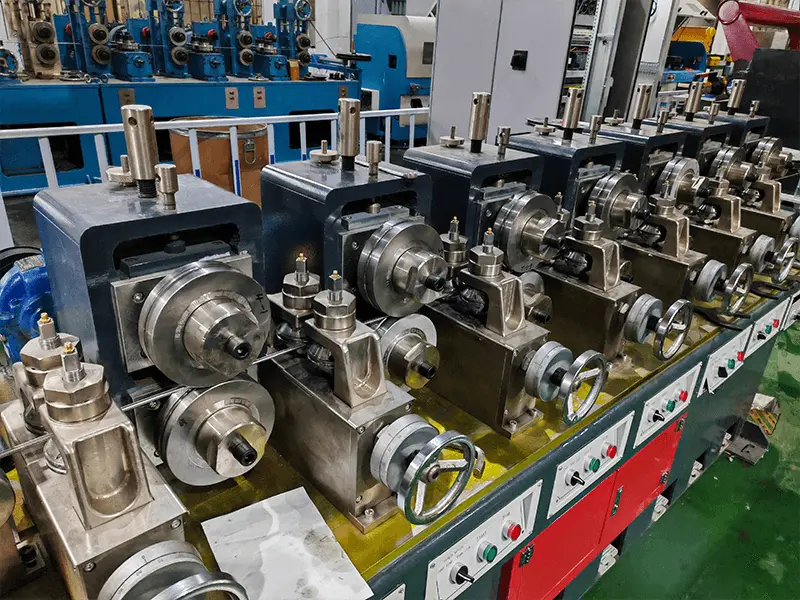
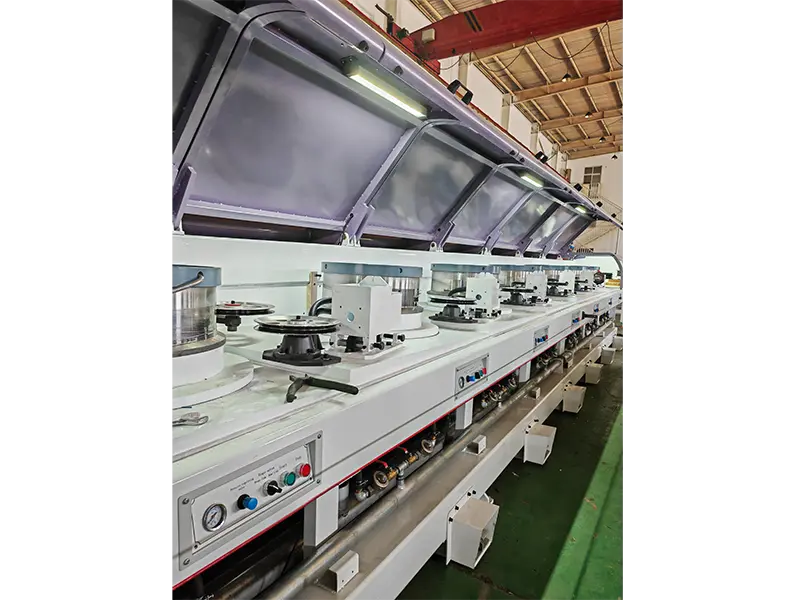
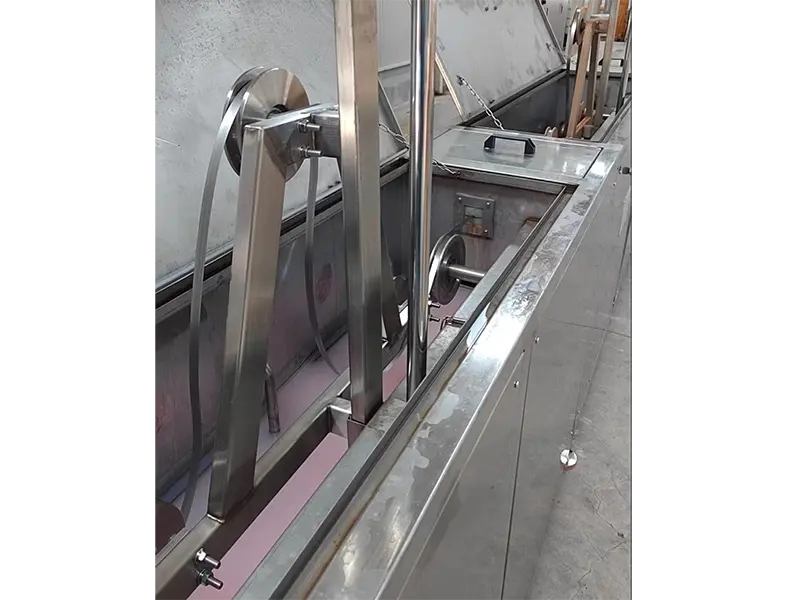
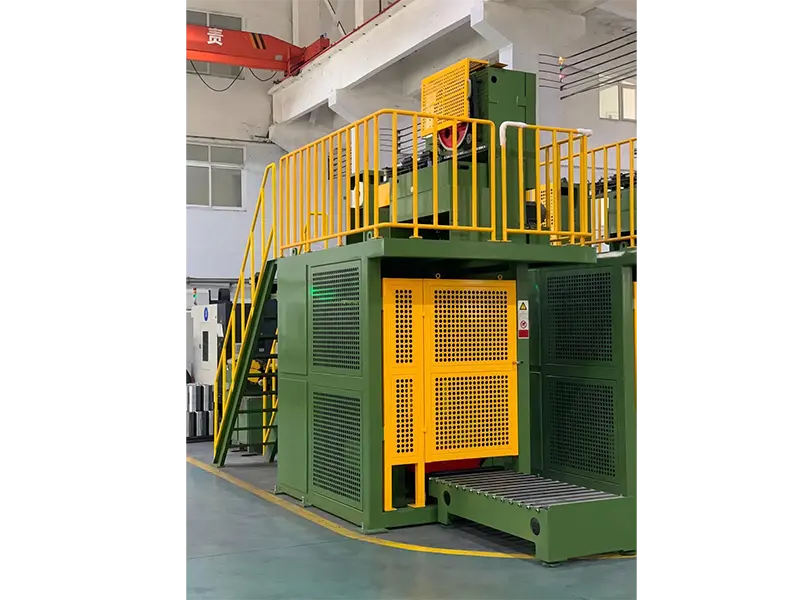
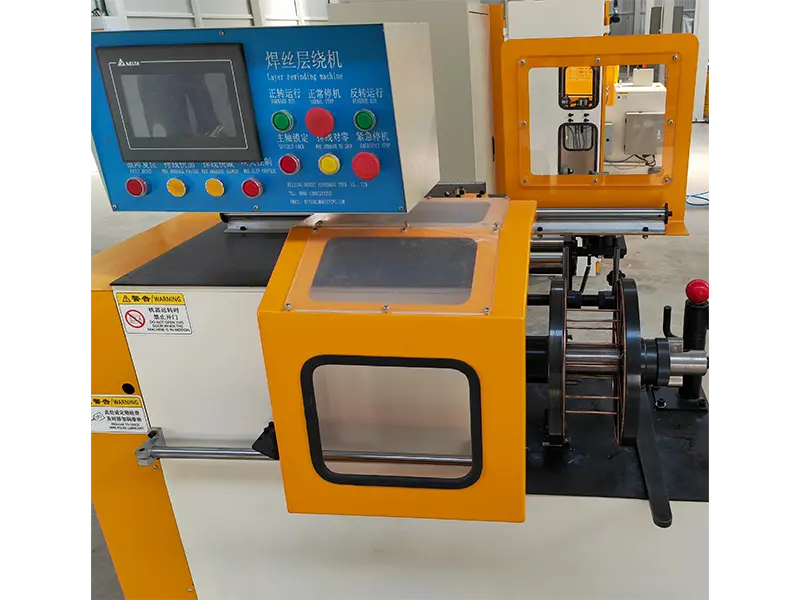
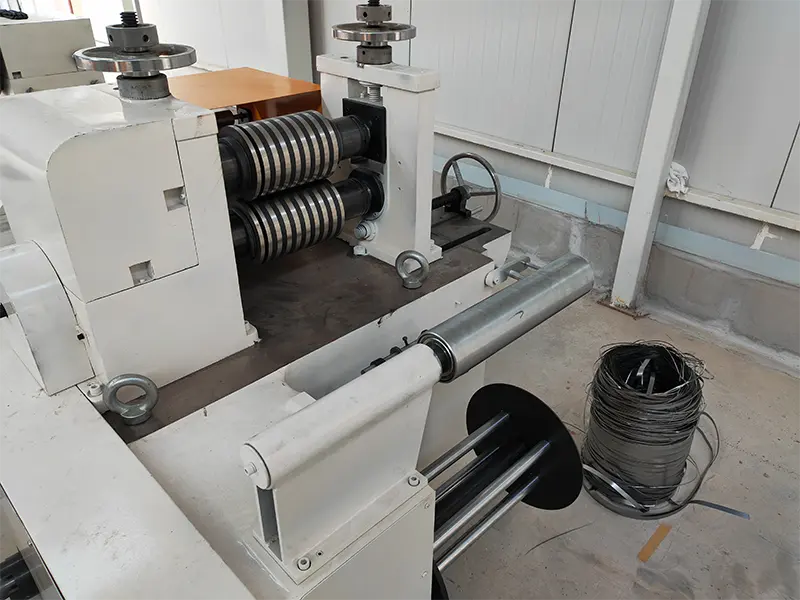
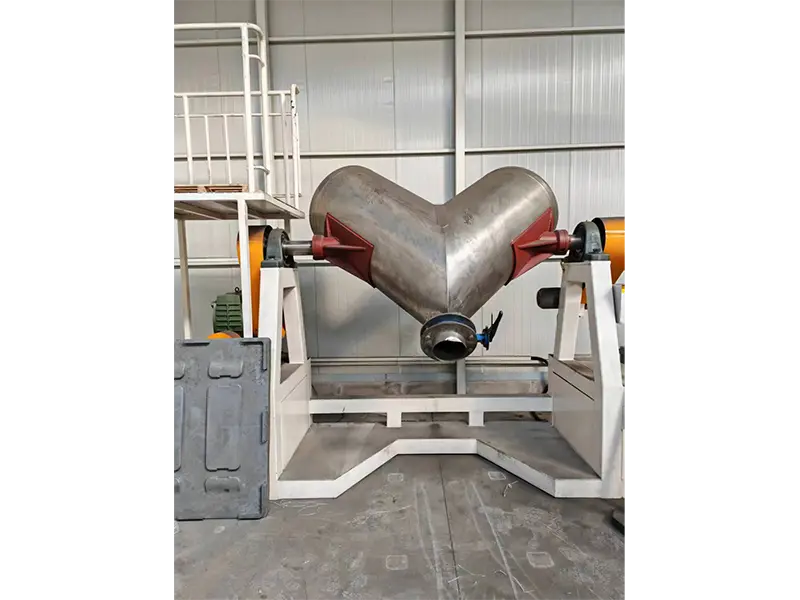
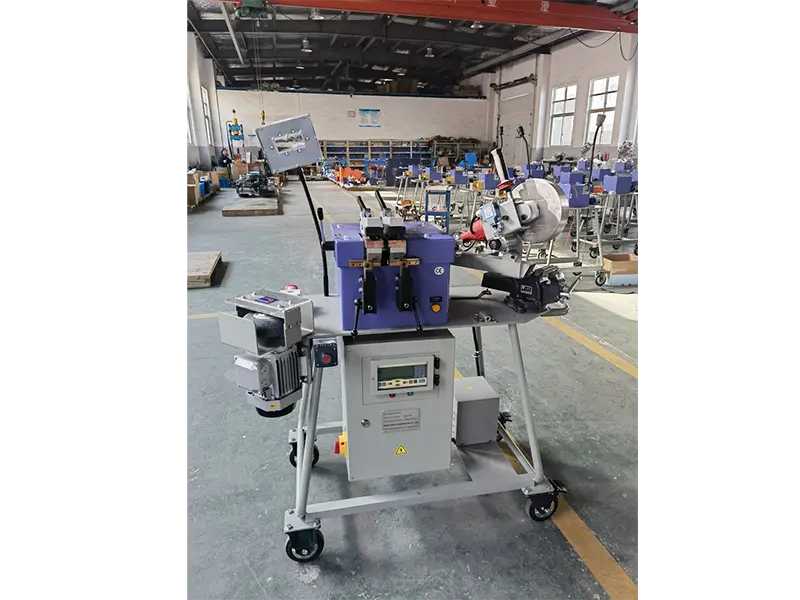
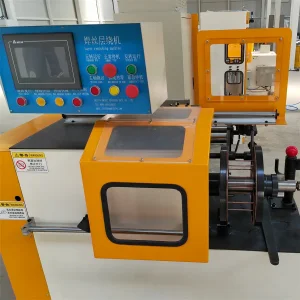
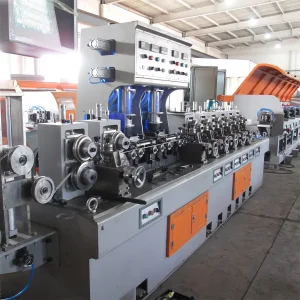
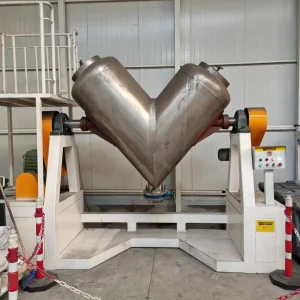
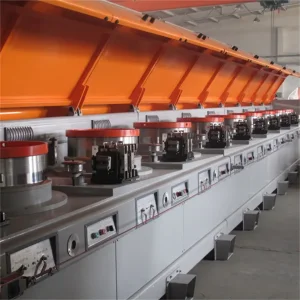
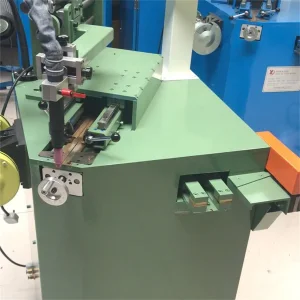
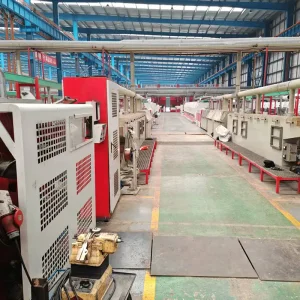
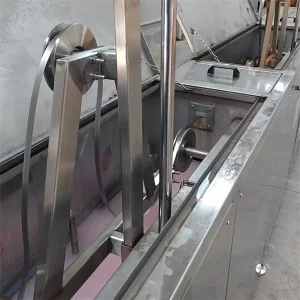
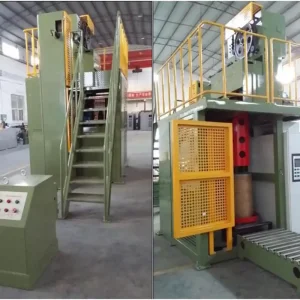
Producing a high-quality lap-joint flux-cored welding wire is a continuous, multi-stage process that leaves no margin for error. A breakdown in powder filling or a slight misalignment in the strip forming rolls will result in inconsistent wire performance. Below, we examine the critical stages of our production lines:
This integrated workflow ensures that the flux core is completely sealed, highly compacted, and protected from moisture absorption. The resulting wire delivers smooth feeding and consistent arc performance in manual, semi-automatic, and robotic welding operations.
Established in 2011, Beijing Orient Pengsheng Tech Co., Ltd. brings together over 20 years of hands-on expertise in the development and manufacture of flux-cored welding wire production machinery. With active support from our European technical cooperators, we have developed our own proprietary technologies, advanced manufacturing facilities, and strict quality control processes.
We are committed to delivering state-of-the-art FCW production machines that combine European design principles with the efficiency of modern manufacturing. Over the years, we have supplied more than 150 complete production lines to customers across more than 10 countries, including key markets in Western Europe and North America.
We offer a comprehensive portfolio of specialized systems designed to cover every stage of the flux-cored welding wire manufacturing process.
Flux-cored lap joint welding wires are utilized across various industrial sectors globally, and the machinery that produces them must adapt to diverse operational conditions. The performance of the wire is heavily dependent on the precision of the forming line.
In regions with active shipbuilding sectors, such as Northeast Asia and Northern Europe, flux-cored wires must maintain reliable chemical uniformity to guarantee weld metal toughness at low temperatures (e.g., down to -40°C or -60°C). Our forming machines feature high-accuracy powder dosing units that maintain strict tolerances on the filling ratio. This precise control ensures that the flux core consistently distributes alloying elements (such as nickel, manganese, and molybdenum) throughout the run of the wire.
For large-scale infrastructure projects in fast-growing industrial regions, welding is frequently conducted outdoors under challenging environmental conditions. The lap joint wire design protects the core from moisture absorption, which is a major cause of hydrogen-induced cracking in high-strength steels. By producing wires with tight seam geometry, our forming machinery helps manufacturers deliver consumables that meet strict diffusible hydrogen standards (such as H4 and H8 classifications).
Get answers to common technical, logistics, and operational questions about our flux-cored wire production systems.
Explore additional high-performance forming, drawing, and packaging machines to complete your production workflow.
 Orient PengSheng