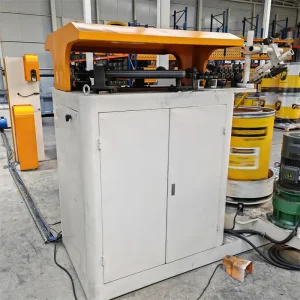
Explore our industrial equipment designed to form, slitt, draw, clean, and pack the world's most demanding flux-cored and solid wires.
Analyzing technical benefits, mechanical reliability, and structural upgrades of contemporary rolling cassettes over conventional drawing dies.
In modern industrial fabrication, heavy engineering, shipbuilding, and infrastructure development, the transition from solid gas metal arc welding (GMAW) wire to Flux Cored Arc Welding (FCAW) wire represents a significant advancement in efficiency and quality. Flux-cored wire features a tubular structure containing flux materials, alloying agents, and deoxidizers. This core formulation provides superior arc stability, deeper penetration, higher deposition rates, and custom metallurgy. Consequently, the demand for precise manufacturing lines capable of maintaining a consistent fill ratio and structural integrity is higher than ever.
Historically, the reduction of wire diameter relied on conventional fixed drawing dies. However, drawing flux-cored wire poses a distinct mechanical challenge: the hollow strip tube filled with powder cannot withstand the high longitudinal tension and frictional stresses imposed by traditional dies without risks of breaking, powder leakage, or cross-sectional deformation. This is where Rolling Cassettes (Micro-rolling mills) change the dynamic.
Compliance is essential for high-throughput automated machinery entering industrial plants worldwide. A CE certified drawing system ensures compliance with Europe's Machinery Directive 2006/42/EC, Low Voltage Directive 2014/35/EU, and Electromagnetic Compatibility (EMC) standards. This certification guarantees robust electrical enclosures, emergency braking systems, acoustic soundproofing, and safe handling zones, ensuring structural safety and operational reliability on the factory floor.
Established in 2011, Beijing Orient Pengsheng Tech. Co., Ltd. brings together over 20 years of hands-on expertise in designing, constructing, and optimizing flux-cored welding wire manufacturing machinery. Collaborating with leading European technicians and introducing key technological concepts, we have developed our own proprietary manufacturing technology and design know-how.
We are dedicated to providing the global market with advanced flux-cored wire (FCW) production lines that prioritize high yield rates, low energy consumption, and high operational safety. Our systems are trusted worldwide for their engineering quality and production consistency.
Video Showcase: Direct view of our production technology in action.
Understanding the complete manufacturing line required to produce flux-cored welding wires that conform to strict AWS, EN, and ISO standards.
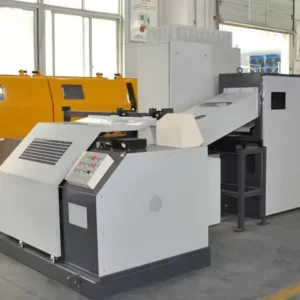
Precisely slits raw wide steel coil into narrow strips matching target wire diameter inputs.
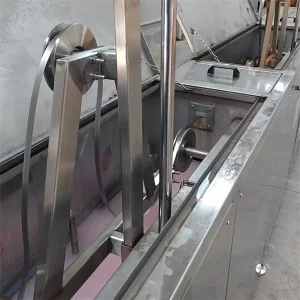
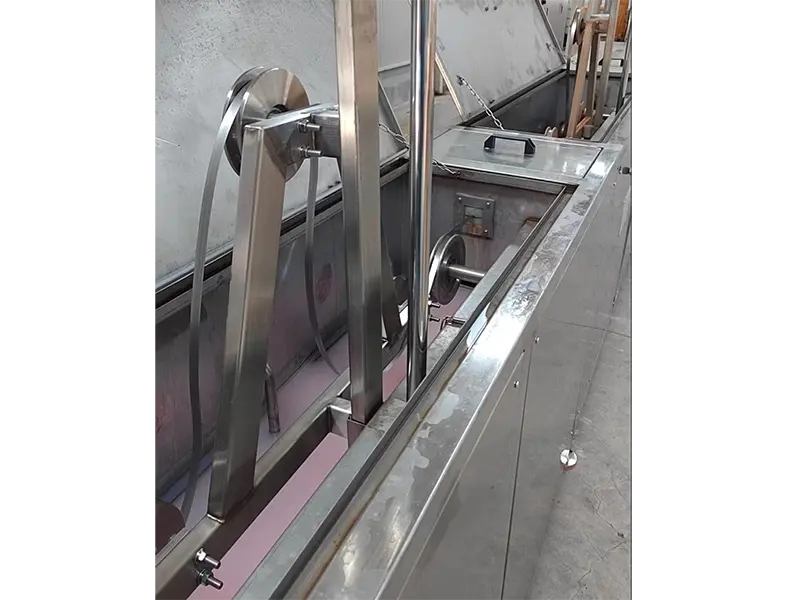
Cleans all surface contaminations to prevent hydrogen embrittlement or surface weld porosity.
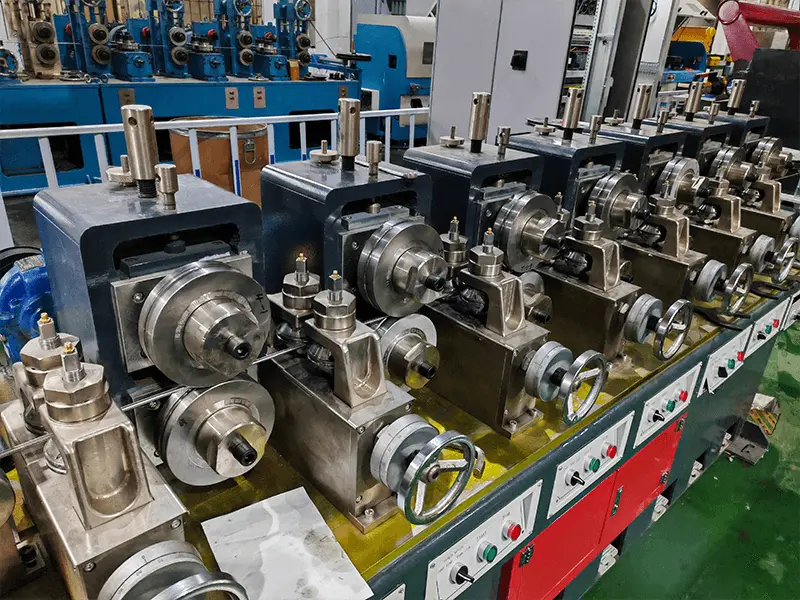
Shapes the steel strip into U-shapes, fills them with flux powder, and closes the seam (butt or overlap).
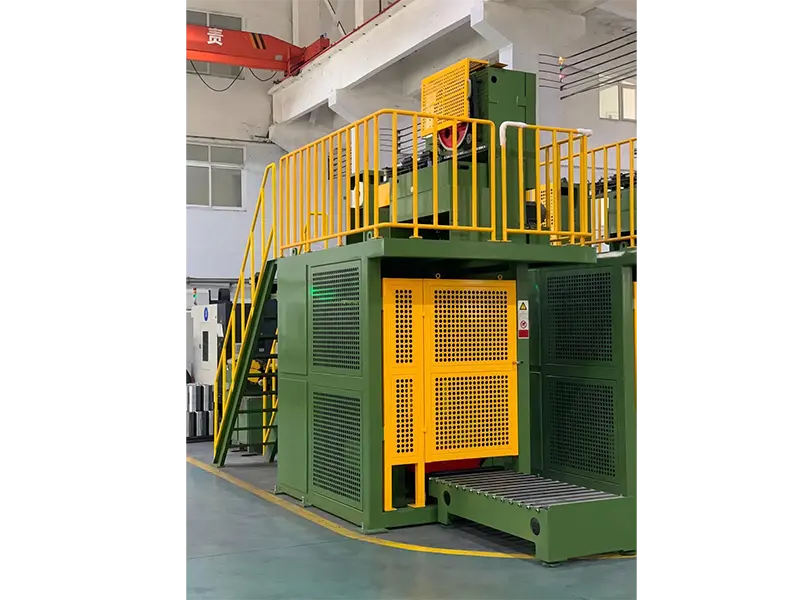
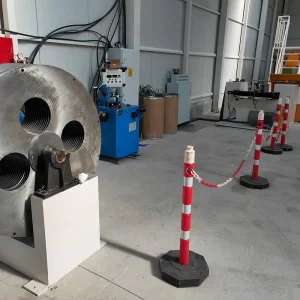
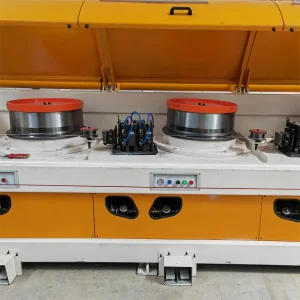
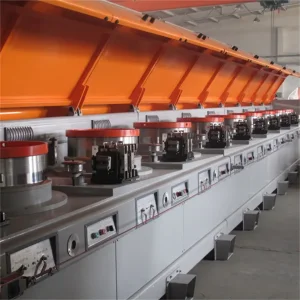
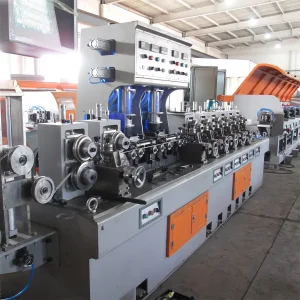
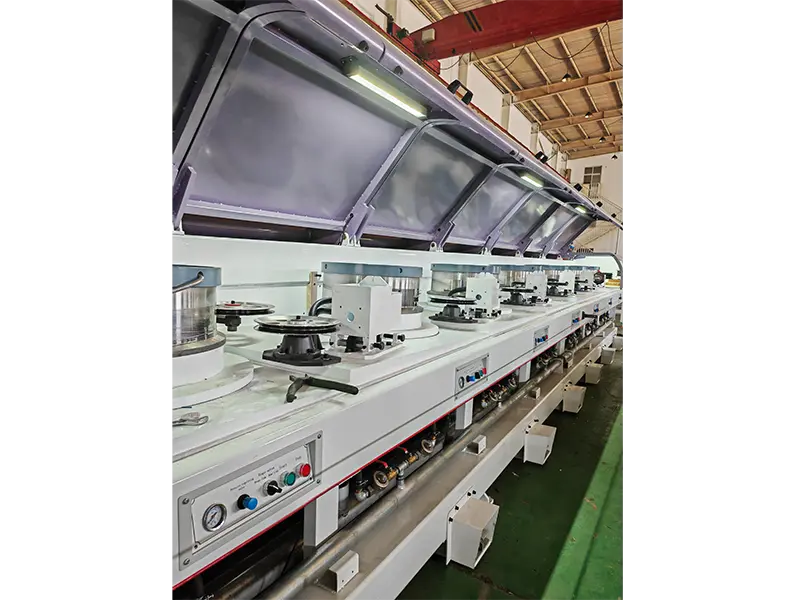
Reduces diameter using rolling cassettes to match targeted final physical wire specifications.
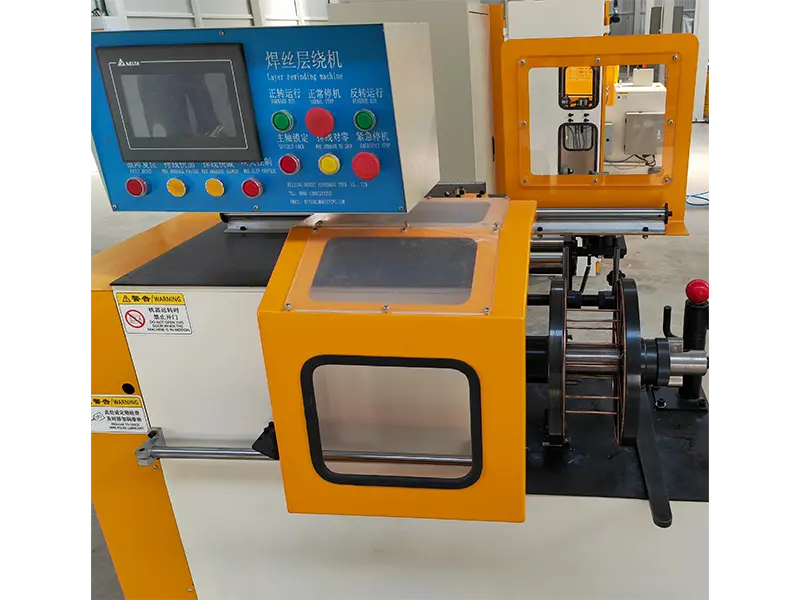
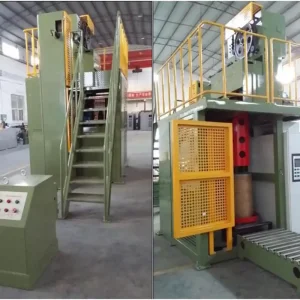
Efficiently packs finished wire into heavy industrial cardboard storage drums.
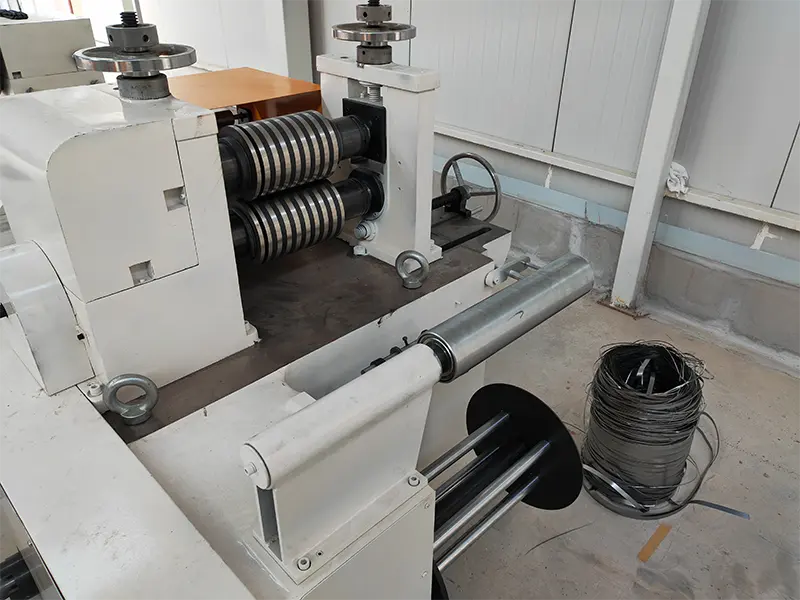
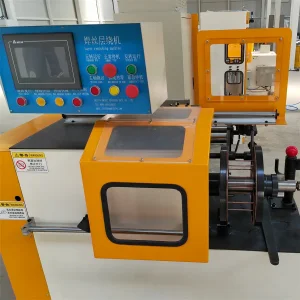
Spools wire onto plastic, wire, or metal spools with precise tension and winding placement.
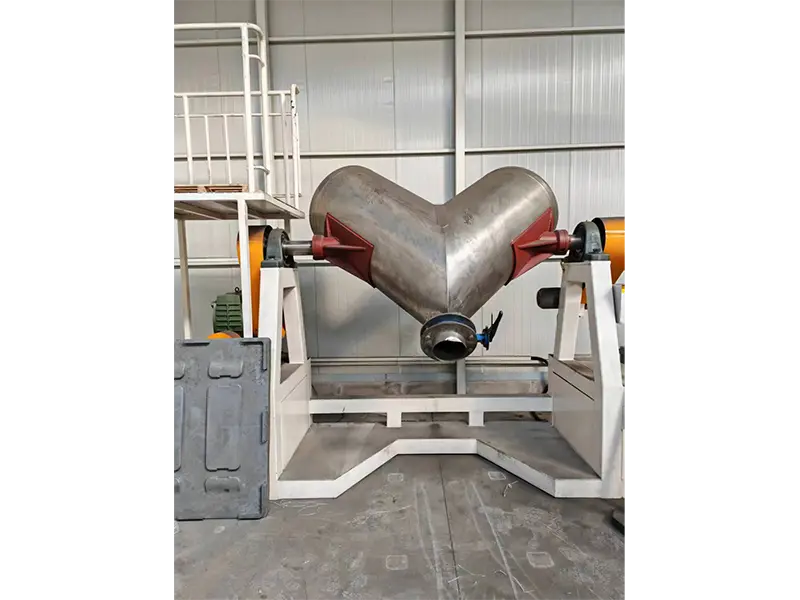
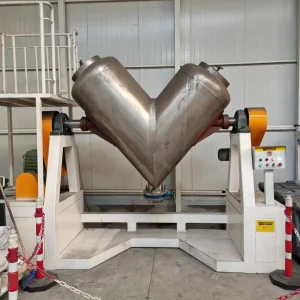
Handles critical material mixing, drying, and grading of flux powder prior to filling.
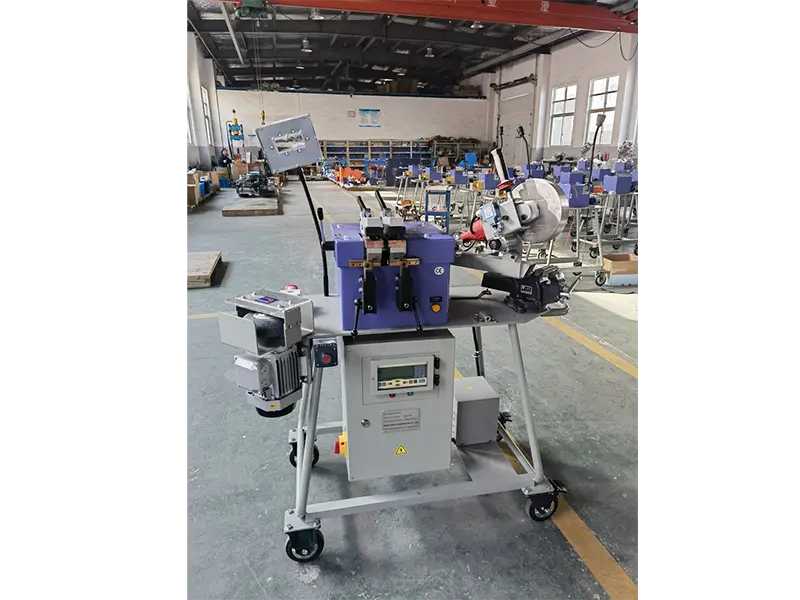
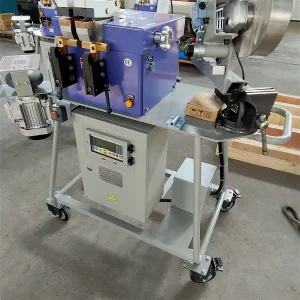
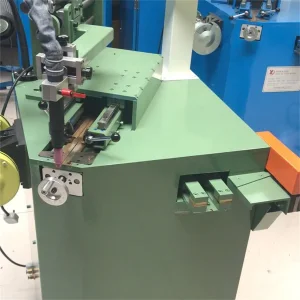
Welds strip and wire ends to enable continuous, uninterrupted, and high-efficiency operations.
Four pillars that make us the preferred supplier for high-speed rolling cassette drawing systems.
We utilize advanced manufacturing machinery. Our core components and structural designs are developed in collaboration with European technical partners, ensuring high build quality.
We have supplied over 150 complete flux-cored welding wire production lines to more than 10 countries. This extensive operational feedback helps us continually refine our machinery.
Our dedicated service department features trained technicians with extensive industry experience. We support clients through pre-sales consulting, on-site installation, training, and ongoing technical service.
We work closely with clients to understand their needs, customizing production lines to match specific structural requirements and sharing practical manufacturing expertise.
Analyzing localized demands, application scenarios, and regional operational dynamics for high-efficiency wire manufacturing.
The global demand for high-strength welding wire is driven by shifts in the shipbuilding, heavy machinery, automotive, and infrastructure sectors. In regions with high labor costs, such as Western Europe and North America, manufacturers increasingly favor flux-cored wires (FCAW) over traditional solid wires. FCAW reduces overall welding cycle times through higher deposition efficiency and greater tolerance for minor surface impurities like oil and rust.
To support this transition, wire manufacturers require high-speed drawing machines that operate reliably with minimal operator intervention. Our CE-certified rolling cassette drawing systems are engineered to address these trends by offering integration with modern factory automation networks.
In North America, structural steel fabricators require high wire volume consistency. Our rolling cassette systems help producers meet AWS standards by maintaining uniform wire geometry and consistent flux core placement, which reduces friction within automated robotic welding feeders.
European manufacturers prioritize occupational safety, low noise levels, and energy efficiency. Our systems feature CE-compliant acoustic enclosures, safe guarding zones, and energy-recovery motor drives that return kinetic energy to the local grid during deceleration phases.
A look at the technology shaping the next generation of cold rolling and drawing machinery.
Beijing Orient Pengsheng Tech Co., Ltd. continuously refines its designs to meet the evolving demands of wire manufacturers. Our technology roadmap centers on automation, process stability, and resource efficiency.
Future rolling cassettes will integrate optical laser micrometer measurement sensors directly after the final calibration pass. If deviations in wire diameter are detected, the system automatically adjusts the motorized roller positioning, compensating for roller wear without stopping the line.
By collecting sensor data on motor current load, bearing temperatures, and cassette vibrations, our diagnostic software can alert maintenance staff to potential issues before component failure occurs. This minimizes unplanned downtime and extends the life of mechanical systems.
By using rolling cassettes rather than traditional sliding dies, wire drawing lines can reduce energy consumption by up to 20-30%. The elimination of chemical powder drawing soaps also contributes to a cleaner shop floor environment and simplifies waste handling processes.
Find technical answers regarding system parameters, custom formulations, warranties, and international shipping procedures.
Further exploring our component configurations, surface processing tools, and automatic packaging systems.
Whether you are planning a new flux-cored wire production line or upgrading an existing drawing system, our technical sales engineers can assist with your requirements.
Contact Orient Pengsheng Orient PengSheng