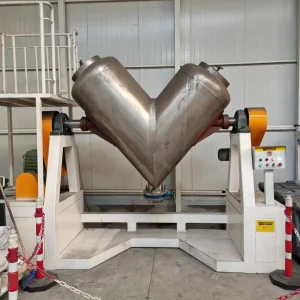
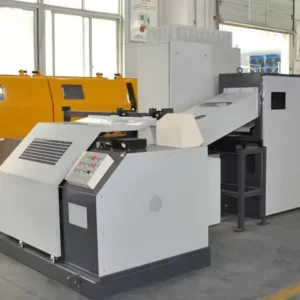
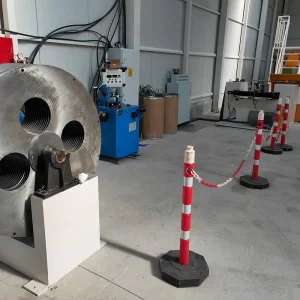
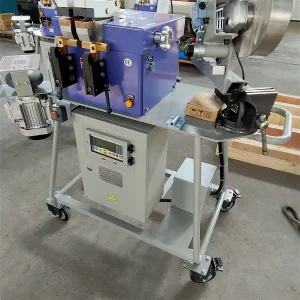
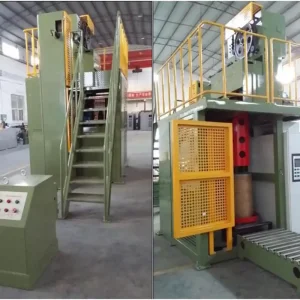
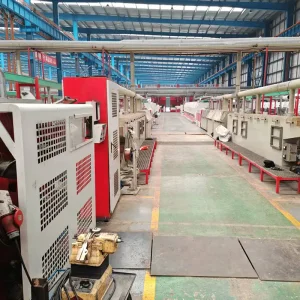
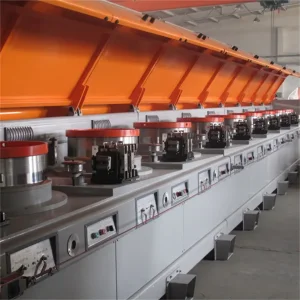
Explore our core engineering modules designed for seamless integration and compliant high-capacity processing.
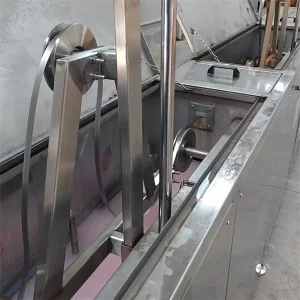
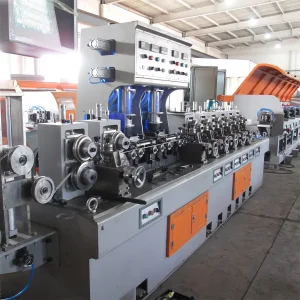
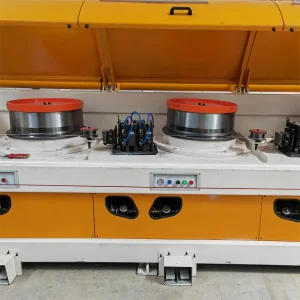
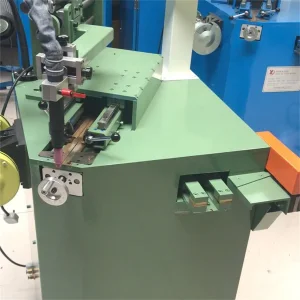
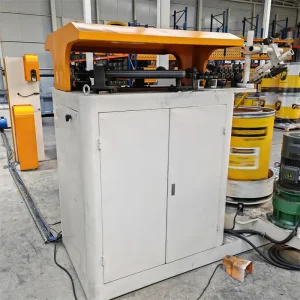
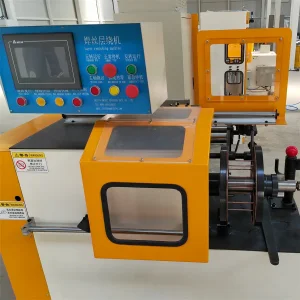
The global heavy manufacturing, shipbuilding, and infrastructure sectors are undergoing a significant transition from solid gas metal arc welding (GMAW) wires to high-efficiency Flux Cored Arc Welding (FCAW) systems. The drivers behind this transition include the demand for superior deposition rates, better slag coverage, reduced spatter, and the ability to weld high-tensile materials in all structural positions.
Crucial to the mechanical integrity and chemical consistency of flux-cored wire is the flux feeding process. A variance of even 0.5% in the powder fill ratio within the formed steel sheath can degrade the weld pool geometry, alter the chemical composition of the weld deposit, and cause safety failures in critical pressure vessels or offshore rigs. Thus, utilizing CE-certified, ultra-precise flux feeding machinery is a critical operational standard for modern wire drawing plants worldwide.
Beijing Orient Pengsheng Tech Co., Ltd. addresses this demand by manufacturing state-of-the-art volumetric and gravimetric flux feeder machines that ensure absolute stability in powder delivery. Integrating advanced European design guidelines and rigorous CE compliance standards, our machinery guarantees metallurgical consistency and production stability across multi-stage high-speed drawing applications.
Understanding the exact mechanics and metallurgical controls implemented within our automated feeding systems.
Designed with rotary dosing valves and screw-driven feeding mechanisms, our machines prevent powder segregation. This ensures that fine deoxidizers, arc stabilizers, and alloying elements remain uniformly distributed within the core.
Our flux feeding technology supports both butt-seam and overlap-type steel strip forming machines. The unit syncs with the forming velocity, preventing dry pockets or overfilling during rapid startup or shutdown phases.
Fine flux powders can pose explosive and respiratory hazards. Our CE-certified feeders are equipped with enclosed dust extraction ports and localized negative-pressure zones to maintain workshop air quality and safety compliance.
| Technical Parameters | Specification Details | Engineering Benefit |
|---|---|---|
| Filling Rate Range | 10% - 40% (Adjustable) | Allows production of metal-cored, rutile, and basic flux wires. |
| Dosing Method | Dual-stage electromagnetic vibrator & screw feed | Maintains steady mass flow rate regardless of powder humidity. |
| Control Interface | Siemens PLC with Profinet integration | Synchronizes real-time feeding speed with drawing block speed. |
| Construction Material | SUS314 / SUS316L Contact Parts | Prevents abrasive wear and eliminates rust contamination. |
A breakdown of European CE Standards, Quality Assurance protocols, and on-site support frameworks.
For industrial manufacturers in Western Europe, North America, and beyond, machine procurement requires strict adherence to localized safety frameworks. Our flux feeder machines and complete drawing lines carry full CE Certification, proving compliance with the following directives:
Our partnership with leading European testing centers validates our design. Every component—from the initial slitting line to the final drum packaging machinery—features comprehensive isolation barriers and high-integrity safety switches to shield operators from fast-moving lines and chemical dust.
To maintain the highest reliability index, Beijing Orient Pengsheng Tech follows a strict Quality Assurance regimen before machine dispatch:
Bridging today's high-performance hardware with tomorrow's smart, automated wire production plants.
Upgrading standard volumetric feeding systems to full loss-in-weight gravimetric setups. This technology dynamically calculates feed rates by measuring hopper weight in real time, automatically compensating for variations in powder density.
Developing AI-driven forming sensors that analyze the weld seam in real time. If the seam geometry shifts slightly, the system instantly fine-tunes drawing speeds and vibration frequencies to keep powder distribution uniform.
Developing vacuum-seal recovery modules that collect, filter, and reuse micro-spilled flux powders. This reduces material loss to nearly zero while maintaining safe, dust-free manufacturing environments.
In-depth responses to key engineering, purchase, and operation questions from our technical team.
Explore auxiliary modules designed to complement your main production lines.
 Orient PengSheng