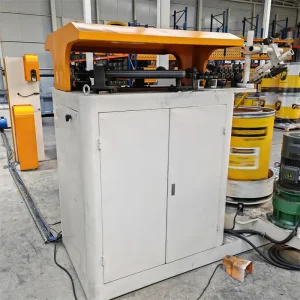
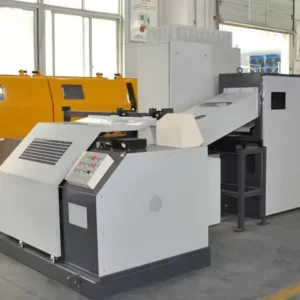
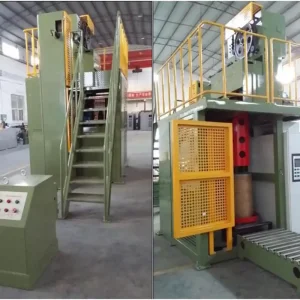
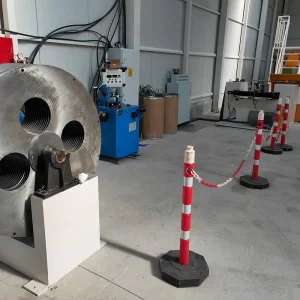
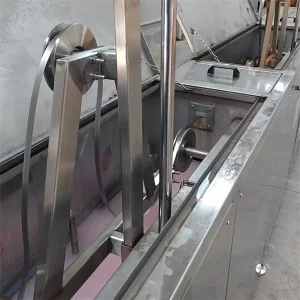
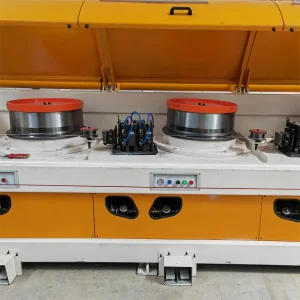
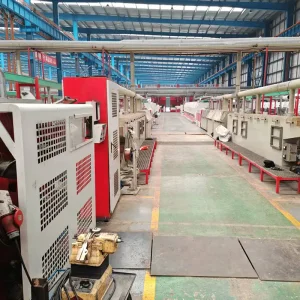
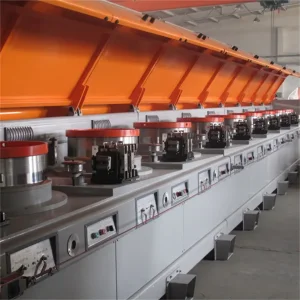
Beijing Orient Pengsheng Tech. Co., Ltd. was established in 2011. However, we have more than 20 years of solid, hands-on engineering experience in manufacturing machinery for flux-cored welding wire (FCW) production lines. Backed by our European technical cooperation partners and our continuous internal innovation, we have developed our own proprietary technologies, advanced manufacturing methodologies, and quality control systems in this niche metallurgical field.
Our primary mission is to engineer and supply advanced FCW machines with state-of-the-art tech configurations and unparalleled construction quality. We support global wire producers in implementing secure, high-uptime manufacturing facilities.
We deploy advanced machining equipment. The core system components and precision electronic drives are imported directly from leading suppliers in Europe, ensuring high mechanical reliability.
Our solutions have been field-tested worldwide. We have provided hundreds of machines and full lines in the global market, validating their operational design in rugged environment scenarios.
All of our engineers and technicians have deep industry backgrounds. From pre-sales feasibility consultancy to on-site commissioning, training, and troubleshooting, we provide quick worldwide response.
We actively listen to feedback from our operators and optimize mechanical properties. With tailored machinery customization and shared processing parameters, we build strong relationships with clients.
Beijing Orient Pengsheng Tech. Co., Ltd. specializes in design integration across all mechanical steps required to output standard compliance welding wires. Below are the key processes we supply:
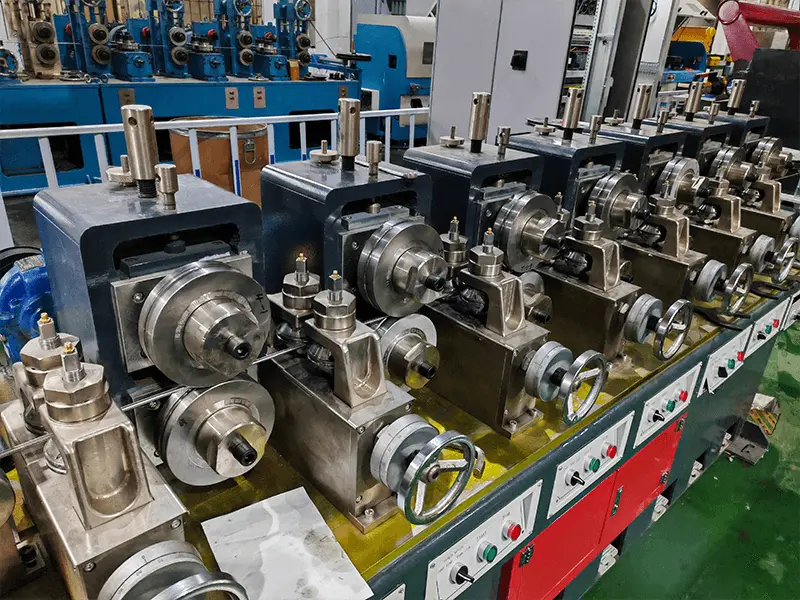
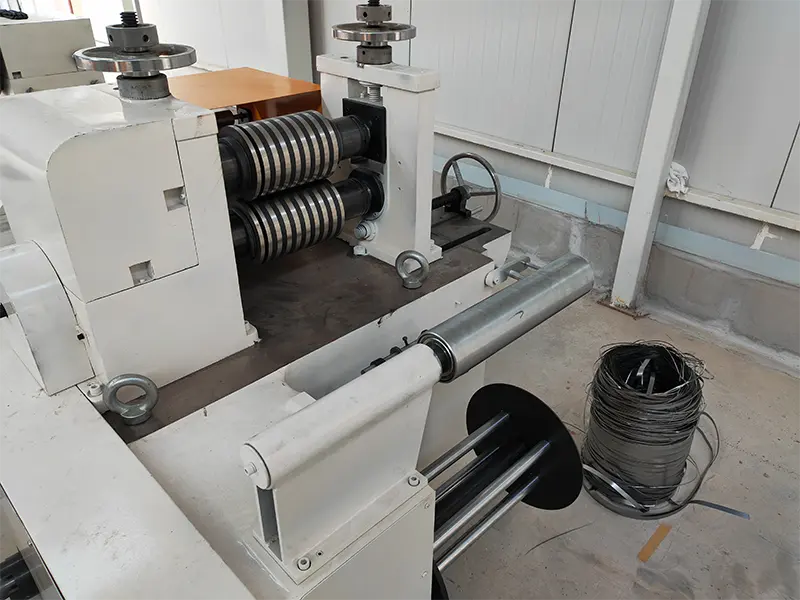
Prepares raw steel wide coils down into micro-width slitted strips before feeding the forming machines.
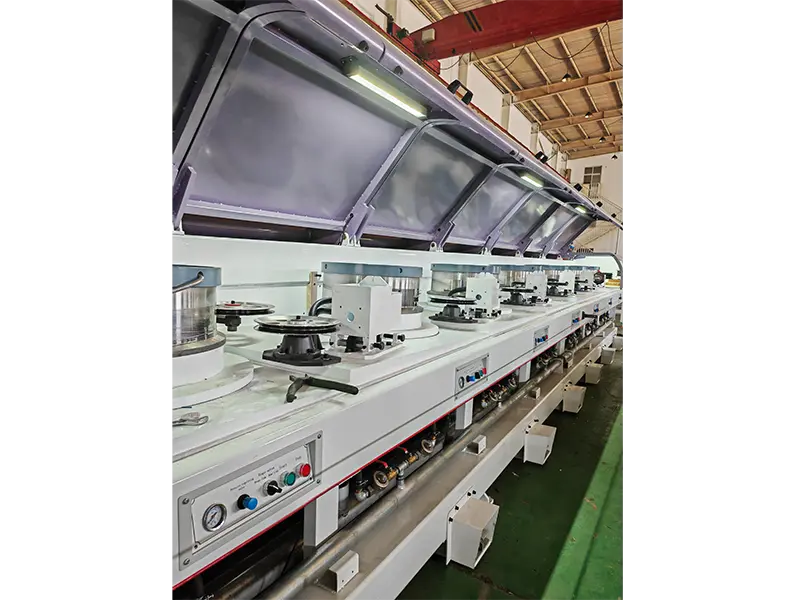
Removes residual rolling oils, rust, or dust from the steel surface to guarantee contamination-free flux powder filling.
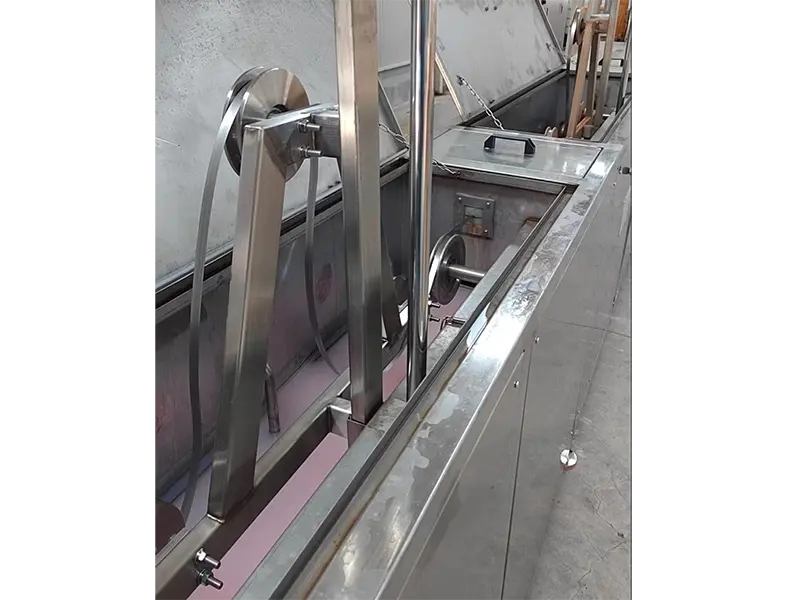
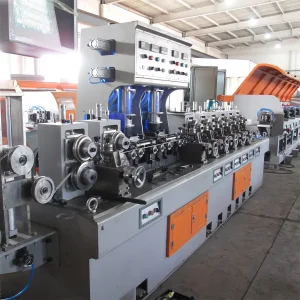
Processes the steel strips through progressive rollers into "U" or "O" profiles while filling them with alloy flux powder.
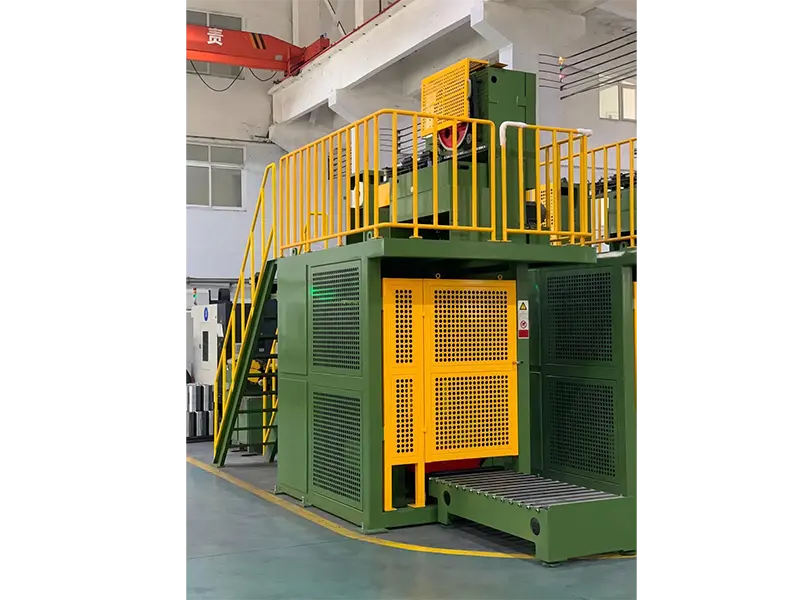
Reduces the outer diameter of formed wire to the target finish size using straight line drawing configurations.
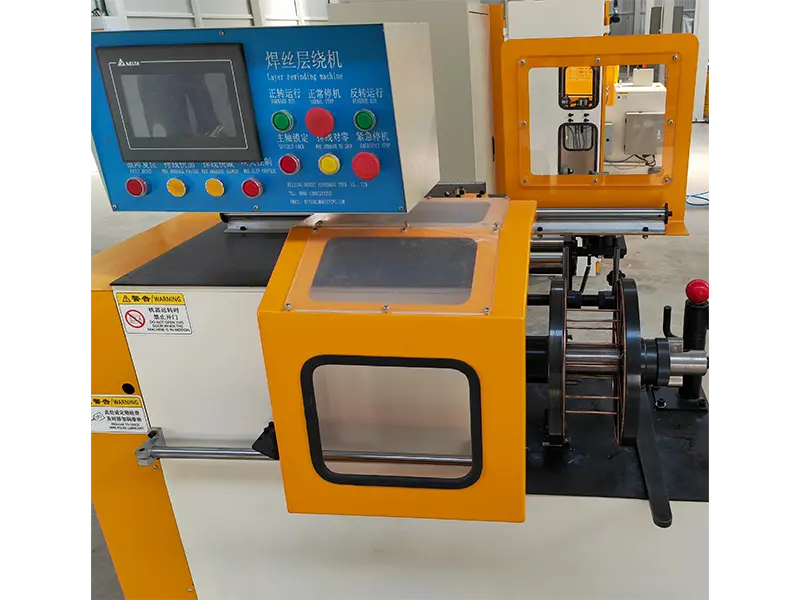
Packs the finished welding wire into heavy cardboard drums at controlled tension for heavy-duty industrial robotic cells.
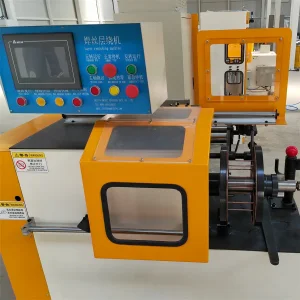
Ensures precision layers of solid/flux-cored wire are tightly wound onto plastic or metal spools for consistent pay-off.
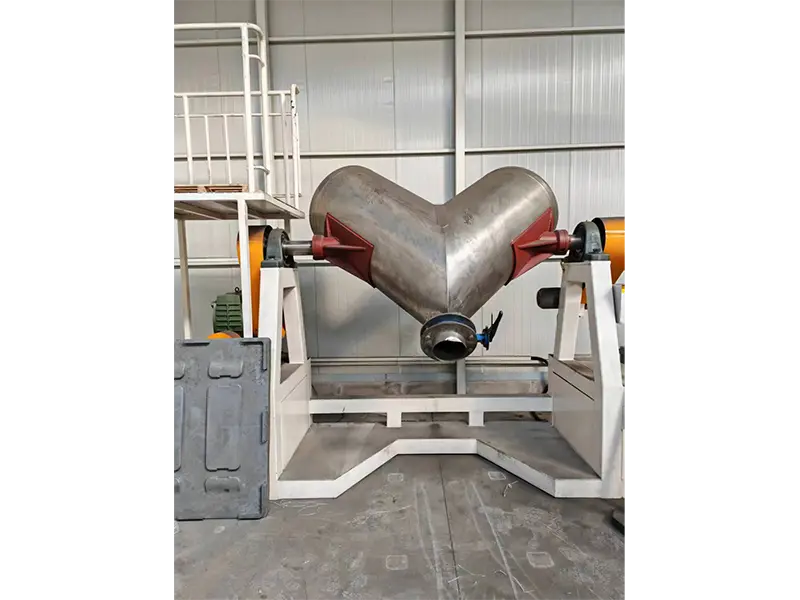
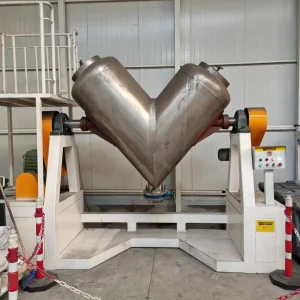
Aggregates, heats, and sieves raw chemical powders, maintaining dry storage to eliminate trace hydrogen contamination.
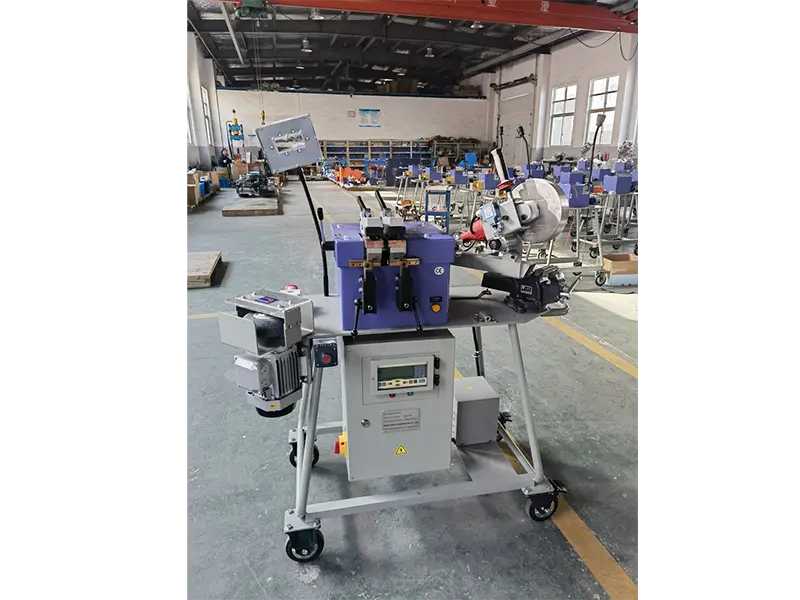
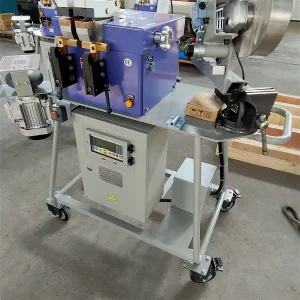
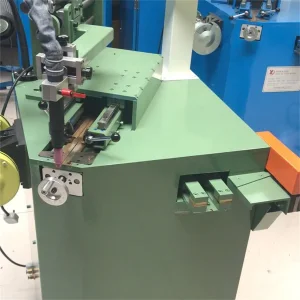
Applies localized welding joints to link successive coil ends. Vital for maintaining non-stop wire drawing loops.
In high-speed, continuous metallurgical processing plants, downtime is the single greatest drain on operational efficiency. The transition from raw coils to finished wire products involves drawing machinery that operates at speeds exceeding 15 meters per second. In this context, every coil change represents a potential point of failure. If the trailing end of a steel coil is not securely and precisely joined to the leading end of the incoming coil, the entire line must be stopped, unthreaded, and restarted. This process takes hours and ruins raw materials.
Our continuous strip welding solutions integrate automatic shearing, precise alignment clampings, and high-frequency GTAW (Gas Tungsten Arc Welding) or plasma welding units. This helps operators achieve a joint efficiency rating close to 100% of the parent metal's tensile strength, preventing failure during the subsequent heavy-reduction cold drawing process.
As global infrastructure and heavy engineering industries place higher quality demands on welding consumables, the market for Flux-Cored Arc Welding (FCAW) wire is seeing significant growth. Consumable manufacturers are shifting away from traditional solid MIG/TIG wires toward specialty flux-cored wires (rutile, basic, and metal-cored variants). This shift is driven by the need for faster deposition rates, deeper penetration, and better weld bead profiles in structural steel construction, shipbuilding, and offshore platforms.
To meet these market demands, manufacturers require production equipment that operates continuously. A critical bottleneck in this process is joint weld bead control. Any thickness variation at the weld joint can damage forming rollers, break drawing dies, or cause uneven flux distribution. For global suppliers, providing a high-accuracy strip butt welder that produces flat, heat-affected zone (HAZ)-controlled joints is essential for maintaining product quality and operational uptime.
Strip welding technology is applied differently depending on regional production standards and raw material characteristics:
Used to join low-carbon steel strip coils prior to precision slitting. This step minimizes coil-end waste and protects slitting cutters from alignment shock.
Maintains continuous strip feeding into forming stations, ensuring consistent filling rates of alloy powder core materials.
Allows continuous wire drawing through tungsten carbide and diamond dies without threading resets, protecting expensive die sets from wear.
Exporting to regions with strict regulatory frameworks, such as Western Europe and the Americas, requires strict compliance with safety directives. Our strip welders carry full CE Certification, demonstrating compliance with the following essential European directives:
By meeting these directives, Orient Pengsheng ensures that our machines can be integrated into automated production environments without regulatory or safety compliance issues.
The next generation of strip welders will transition from operator-dependent manual units to intelligent, closed-loop systems. Orient Pengsheng's R&D roadmap focuses on incorporating several key technologies:
Optical Bead Inspection (AI-Powered): Integrating high-speed cameras and machine learning vision models to inspect strip weld joints in real time, detecting anomalies such as micro-porosity, offset edges, or excessive height.
Predictive Maintenance Integration: Using current and voltage sensors connected to an industrial IoT gateway to monitor the health of the welding electrodes, providing alerts before welding quality degrades.
Automated Shear & Weld Cycles: Moving from manual clamping to fully automated robotic cycles, reducing cycle times to under 30 seconds per joint.
If you are interested in any of our production machines or need a customized setup for your wire processing facility, feel free to contact us. You can send us an email or get in touch for a technical consultation, and we will respond to your inquiry as soon as possible.
 Orient PengSheng