High-precision processing, cleaning, and wire drawing production equipment engineered for severe-duty manufacturing.
Optimizing conductivity and preventing degradation in modern electrification infrastructure.
The global transition toward electrification, driven by the expansion of electric vehicle (EV) drivetrains, solar/wind farms, and high-performance data centers, has exponentially increased the demand for reliable power distribution components. At the heart of these electrical distribution grids, switchgears, and power conversion systems is the copper busbar. Known for its high electrical conductivity, raw copper is susceptible to atmospheric corrosion, sulfidation, and high-temperature oxidation.
To prevent galvanic corrosion and contact resistance escalation, advanced electro-tinning is required. A CE Certification Tin Electroplating Line for Copper Busbar represents a complete engineering system that deposits a highly uniform layer of tin onto copper surfaces. This thin metallic coating improves long-term contact stability, enables easy soldering, prevents oxidation at connection points, and preserves electrical conductivity under elevated operational temperatures.
Under heavy electrical loads, busbars expand and contract thermally. The tin-plated surface acts as a soft interface, preventing micro-fretting corrosion at joint junctions, which otherwise leads to catastrophic thermal runaway in electrical cabinets.
Tin-plated copper busbars maintain exceptional solderability for extended periods, facilitating rapid, high-quality terminal assembly in battery pack busbars and industrial control panels.
By sealing raw copper under a dense barrier of electroplated tin, manufacturers prevent the formation of copper oxides, carbonation, and sulfide films, especially in humid or chemical-laden environments.
Regulatory shifts, standardizations, and the industrial demand driving electro-tinning modernization.
Manufacturers across Europe, North America, and the Asia-Pacific region are standardizing copper busbar specifications according to international engineering standards such as DIN EN 13601, ASTM B187, and IEC 61439. These standards dictate precise tolerances for plating thickness (typically ranging from 3 to 15 microns depending on the application), adhesion quality, and purity of the deposited tin layer.
Supply chain resilience requires manufacturers to install in-house, fully automated electroplating lines to avoid outsourcing delays. In regions like Europe, the emphasis is heavily placed on carbon neutrality and waste minimization. Modern tin plating machinery must integrate with advanced Wastewater Treatment Systems (WWTS) and exhaust air purification systems to comply with REACH regulations and clean air initiatives. Selecting a manufacturer with proven engineering capabilities in delivering CE-certified lines ensures that the equipment complies with the highest safety, environmental, and operational standards globally.
European regulations require strict containment of heavy metal effluents. High-efficiency drag-out tanks, coupled with reverse osmosis recovery systems, allow electroplating lines to operate near zero-liquid discharge (ZLD) conditions, minimizing chemical replenishment costs while protecting the environment.
The chemistry, electrical synchronization, and transport engineering behind advanced copper electroplating.
A professional CE-certified tin electroplating line for copper busbars utilizes a multi-stage process chemistry designed to ensure pristine surface cleanliness and optimal coating adhesion. The typical process sequence includes:
Oil, greases, and copper oxide films must be chemically removed. The line utilizes an ultrasonic cleaning tank followed by hot alkaline electro-cleaning. Next, an acid activation step (pickling) removes light oxidation layers, leaving a pristine crystalline copper surface ready for atomic-level tin bonding.
Our lines are engineered to handle Acid Tin Plating (utilizing Methanesulfonic Acid - MSA or sulfate-based chemistries) or Alkaline Stannate chemistry. MSA baths are highly favored for their rapid deposition rates, excellent room-temperature efficiency, and minimal sludge generation.
Pulse plating rectifiers with precise ripple controls are integrated to ensure uniform metal distribution. By modulating the duty cycle and current density (ranging from 1 to 5 Amperes/dm²), we can control grain structure and minimize internal stress, preventing "tin whiskers."
Following plating, the busbars go through sequential rinsing (incorporating spray bars to minimize water drag-out). An organic or inorganic passivator (anti-tarnish agent) is applied to prevent oxidation during storage in humid warehouses.
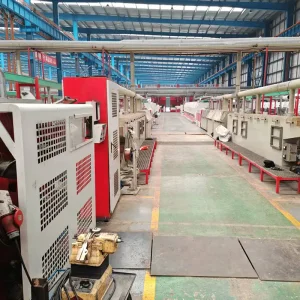
The line itself consists of heavy-duty polypropylene (PP-H) tanks reinforced with exterior steel profiles wrapped in chemical-resistant PVC. Material transport is handled by an overhead automated crane system (gantry hoist) governed by a central PLC system. This allows operators to load recipes for different busbar shapes, ensuring consistent dipping times, temperature controls, and electric current parameters.
Over 20 Years of Global Metal Processing Machine Innovations
Beijing Orient Pengsheng Tech. Co., Ltd. was established in 2011. However, our core team possesses more than 20 years of experience with flux-cored welding wire manufacturing machines and specialized metal drawing and plating equipment. With our European technical cooperator support and our dedication to internal R&D innovation, we have built our own proprietary technology, manufacturing facilities, and strict quality management workflows in this field.
We dedicate ourselves to supplying metal processing machines and electroplating solutions built with the latest European technologies and high manufacturing tolerances. Whether customizing individual units or delivering turnkey processing plants, we guarantee mechanical integrity, high-efficiency electrical setups, and robust after-sales support.
Delivering high-tech production equipment, proven engineering support, and reliable commercial value.
We use advanced manufacturing equipment, and our core components are imported directly from Europe to ensure high durability and reliability.
We have provided hundreds of machines or complete processing lines in the global market, proving our engineering reliability under continuous duty cycles.
We maintain our own dedicated field service department. All our technicians are highly educated with rich industrial backgrounds to handle installation, training, and troubleshooting.
We continuously communicate with our operators regarding machine performance, updating designs according to user experiences and custom requests.
Beijing Orient Pengsheng Tech. Co., Ltd. supplies high-precision systems to produce flux cored welding wires and specialized strip-processing equipment meeting all international standards.
Ensuring local environmental safety compliance, exhaust scrubbers, and global standardizations.
Operating an electroplating production line comes with localized compliance responsibilities. Our CE-certified tin electroplating lines are designed to adapt to specific localized operating scenarios:
Beijing Orient Pengsheng provides comprehensive onsite commissioning, operator safety training, and documentation templates to ensure rapid local environmental permitting and workplace safety approvals.
Every electroplating line we deploy includes extensive structural safety features required by CE Directives:
Integrating Smart Factory automation, AI dosing, and green technology in electroplating.
As manufacturers drive towards Industry 4.0, the electroplating process must adapt. Our engineering roadmap includes:
Integrating online sensors that analyze pH, tin concentrations, and brightener additives in real-time. The system automatically injects exact chemical amounts, preventing human error and over-consumption.
Redesigning tank heating loops to run on heat pump waste recovery systems. By capturing heat from nearby cooling units, we lower electricity usage of the plating baths by 30%.
Autonomous overhead hoists powered by collision-avoidance algorithms. The hoists communicate with the factory ERP system to maximize throughput by optimizing line load schedules.
Critical engineering and trade inquiries regarding our production lines, pricing, and process capabilities.
Our prices are subject to the specific mechanical requirements of the product, line dimensions, automation grade, and other market factors. Because each line is custom-engineered to meet specific factory floor layouts and capacity requirements, we will provide our professional advice and send you an official quotation after your engineering team contacts us for further information.
Yes, we can provide comprehensive documentation files including Certificates of Conformity (CE Certification); safety data sheets; mechanical layout drawings; electrical diagrams; insurance documents; Certificates of Origin; and other customs-required export shipping documents as required by your country.
We generally accept a 30% deposit in advance by TT (Telegraphic Transfer) to launch engineering and material sourcing, and the remaining 70% balance via irrevocable Letter of Credit (L/C) at sight or by TT against the copy of the Bill of Lading (B/L).
Our standard guarantee period is 12 months from the date of machine start-up (commissioning) at the buyer's factory. Please note that the guarantee does not cover defects and failures caused by improper buyer operation, normal wear and tear, consumption goods, or vulnerable spare parts.
We provide a complete turnkey service. Pre-Sales Service includes technical consultations, quotation evaluations, factory visits, and client operating inspection visits. After-Sales Service includes direct deployment of engineers to assemble the machinery, electrical debugging, operator training, and ongoing technical support.
Yes. We always use high-quality export packaging including anti-corrosive vacuum sealing, heavy-duty wooden boxes, structural steel fixing inside containers, and shock-absorbing mounts to prevent damage during long maritime transits.
Generally, the production lead time is 2 to 3 months. This fluctuates according to the specific configuration requirements, line length, and customization details. A precise delivery schedule is always communicated during the initial quotation stage.
Our lines utilize state-of-the-art automated rectifier systems combined with precise PLC liquid-level and concentration loop sensors. By maintaining a constant current density (ASD) and regulating chemical additives, the system ensures consistent thickness deviation within ± 0.5 microns across the entire busbar surface.
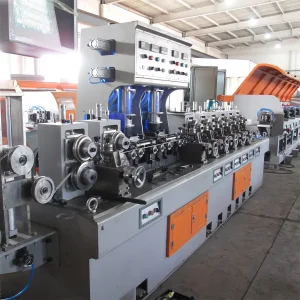
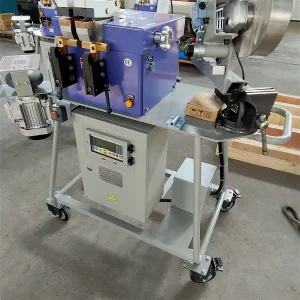
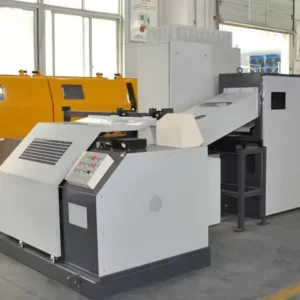
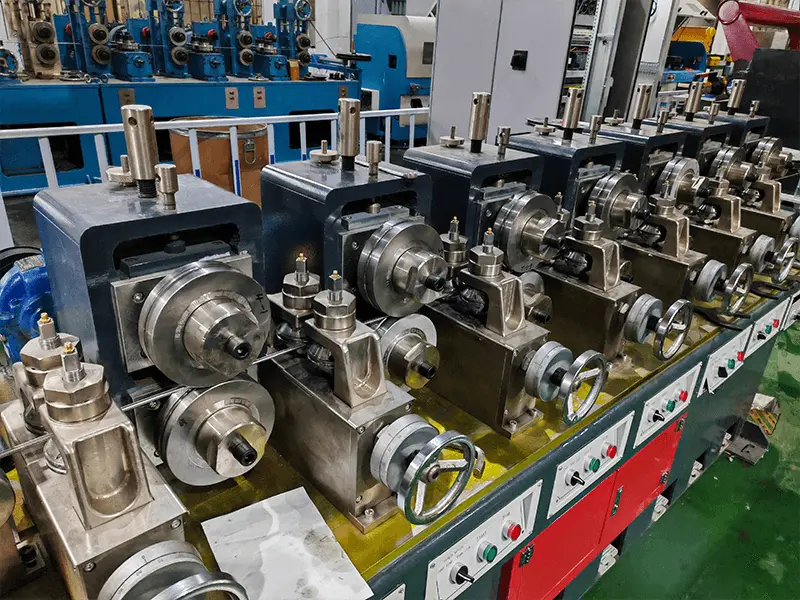
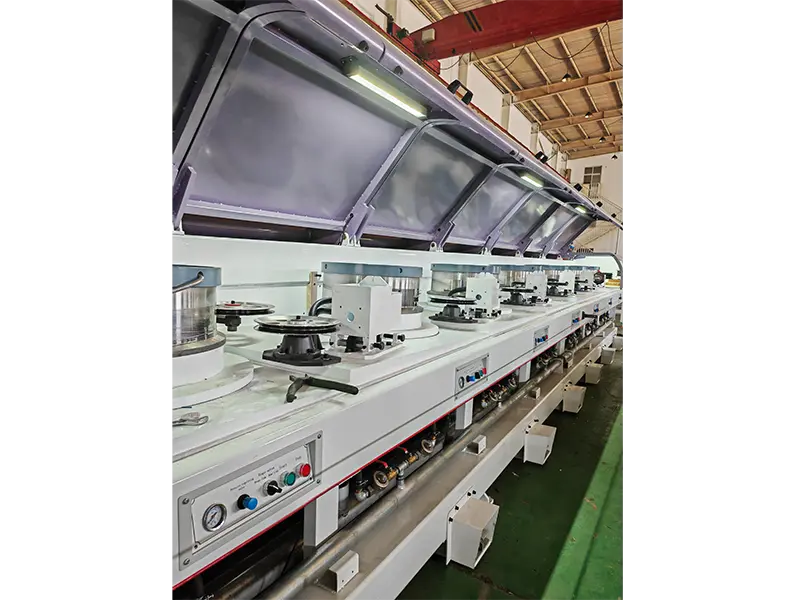
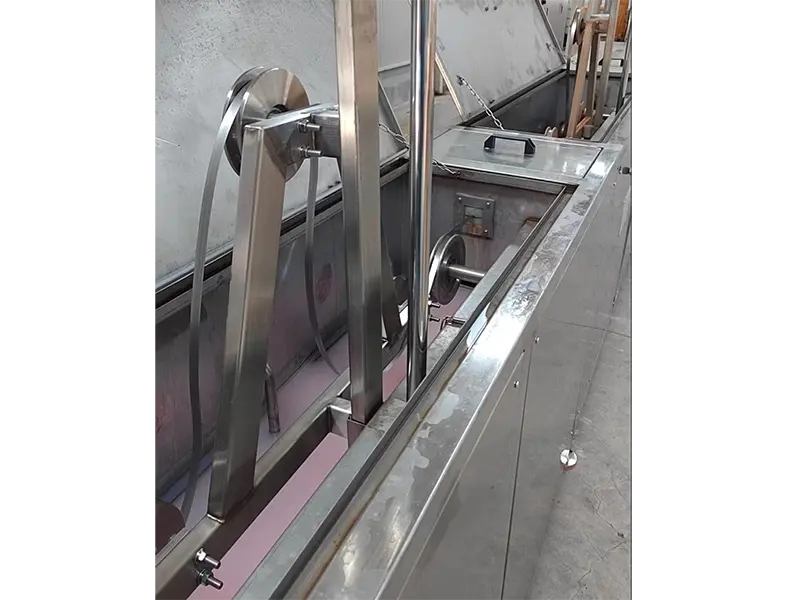
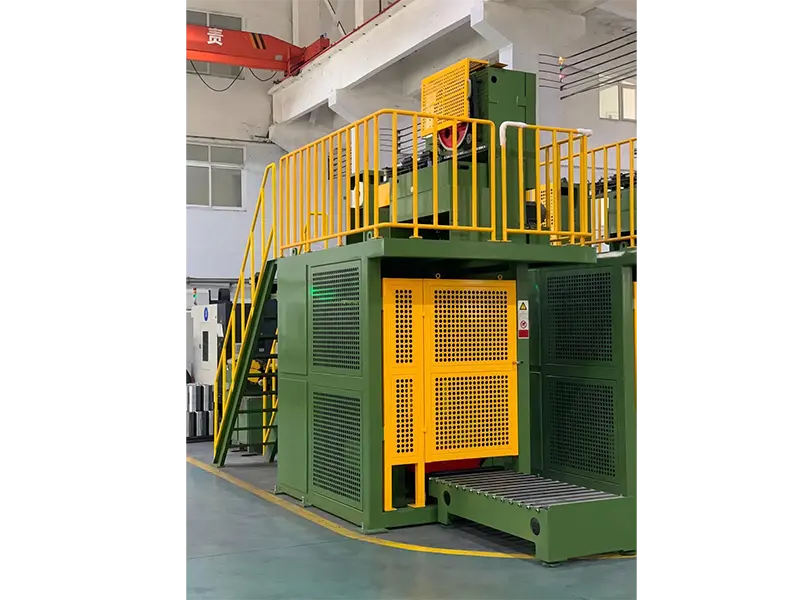
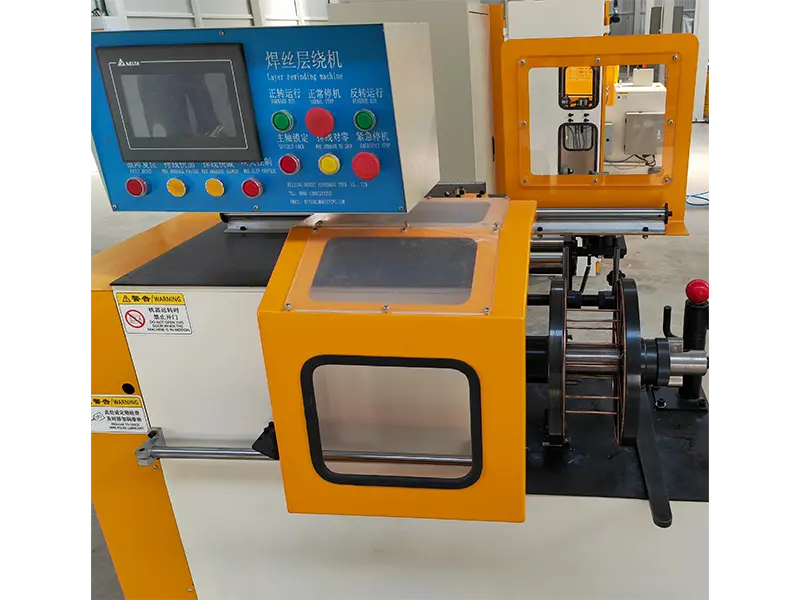
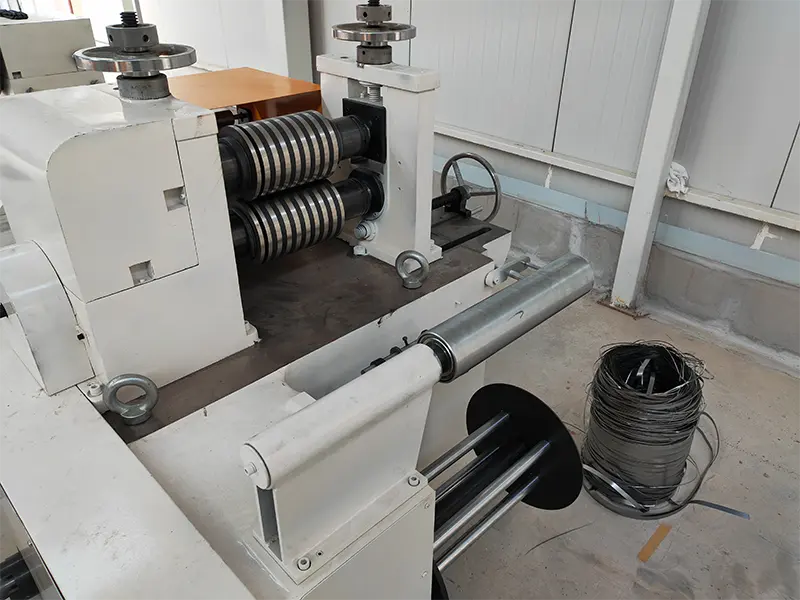
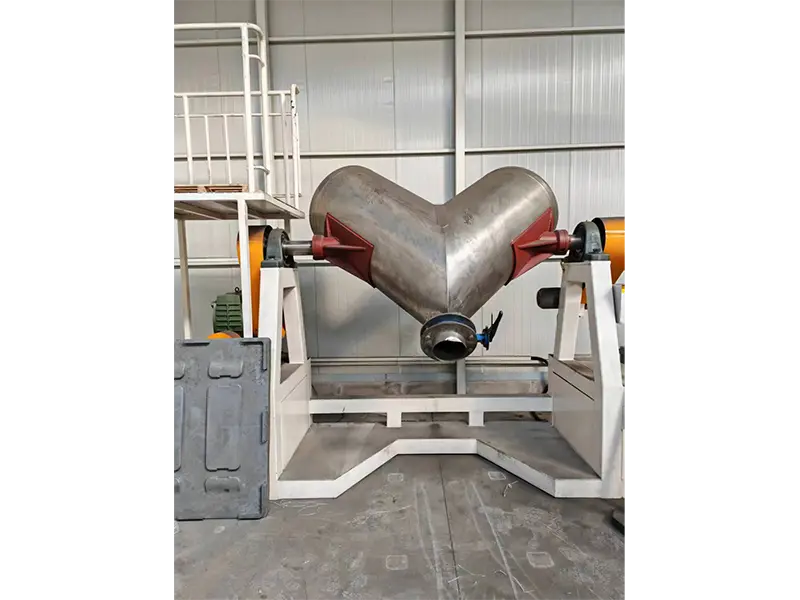
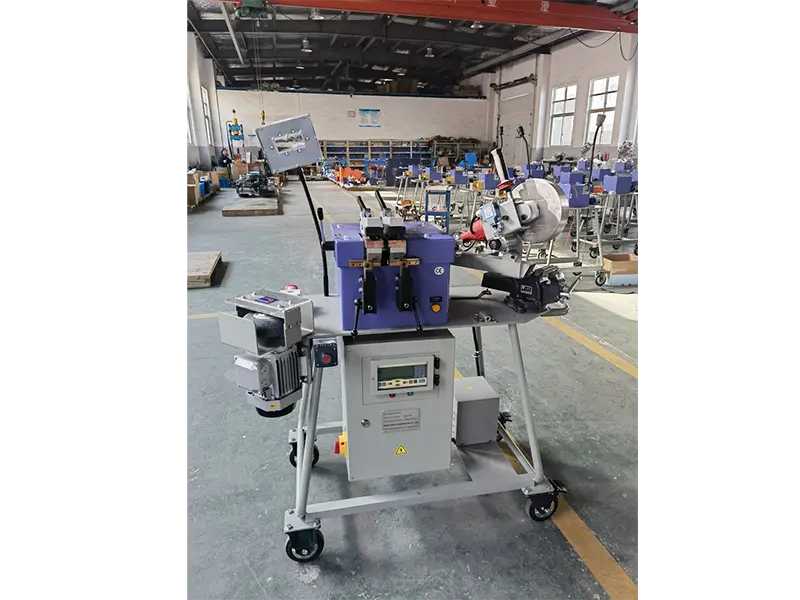
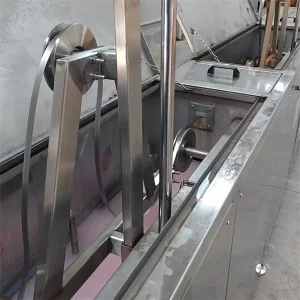
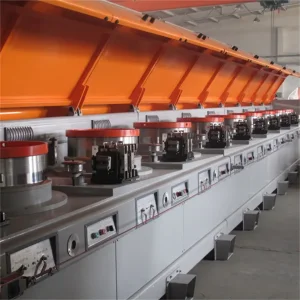
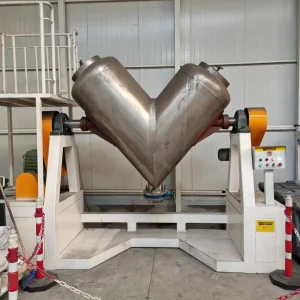
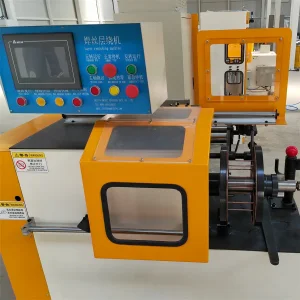
Essential mechanical units to complete the wire processing, cleaning, and material winding workflows.
 Orient PengSheng