Premium grade, CE-certified fabrication and processing machinery tailored for continuous flux-cored welding wire production.
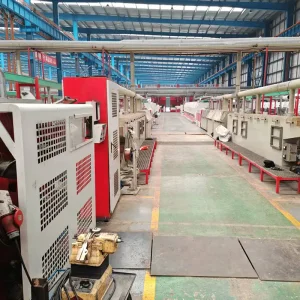
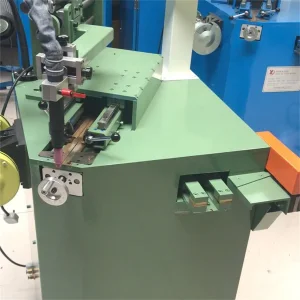
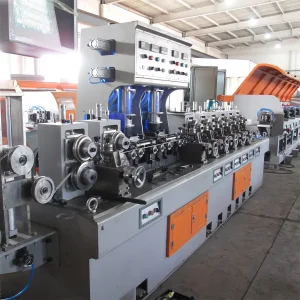
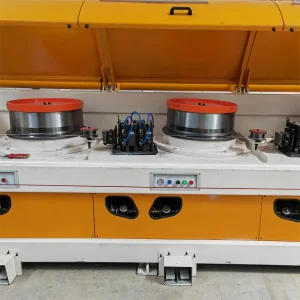
In modern heavy industries, mechanical components are subjected to severe wear, friction, erosion, and impact. Sectors such as cement processing, open-cast mining, steel production, thermal power generation, and dredging depend heavily on robust surface protection. Weld wear solutions, particularly flux-cored arc welding (FCAW) wires and hardfacing alloys, are critical tools in extending component lifetimes and minimizing unscheduled downtime.
Historically, solid wires dominated structural applications. However, the global demand has shifted toward flux-cored wires (FCW) for wear-related applications because they offer highly tailored chemistries. High-alloy powders (chromic carbide, tungsten carbide, boron, niobium) can be integrated inside a hollow mild steel sheath. This allows metallurgical engineering at a level solid wires cannot easily replicate. Modern metallurgical engineering relies on consistent quality control during manufacturing. Equipment suppliers must deliver precision forming and uniform powder filling to guarantee that the cored wire maintains chemical homogeneity over its entire length.
Our solutions cater to distinct requirements across key geographic industrial markets:
Established in 2011, Beijing Orient Pengsheng Tech. Co., Ltd. builds upon more than 20 years of experience in the design, development, and commissioning of flux-cored welding wire manufacturing machines. Backed by European technical collaboration and continuous in-house mechanical innovation, we have established our own proprietary technologies, manufacturing standards, and system controls.
We specialize in supplying CE-certified machines designed to operate under rigorous industrial demands. By focusing on precision control during strip slitting, ultrasonic cleaning, micro-powder dosing, strip forming, capstan wire drawing, and tension-controlled rewinding, we enable our clients to manufacture flux-cored wires that comply with all major international quality standards.
To ensure high quality, production lines must perform consistently at every key step of the process.
Converts master steel coils into multiple narrow strips with precise width tolerances. High-accuracy slitting minimizes burrs, ensuring consistent seam geometry during tube forming.
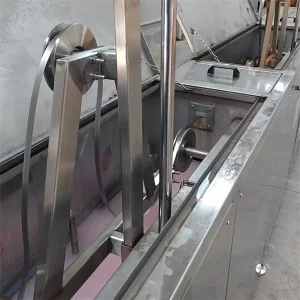
Removes oil, rust, and residual rolling soap from the steel strip. High cleanliness is essential for achieving ultra-low diffusible hydrogen in the final weld deposit.
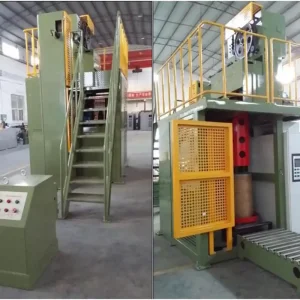
Rolls the strip into a tube while precisely dosing flux and alloy powders. Offers options for butt seam or overlap joints depending on metallurgical targets.
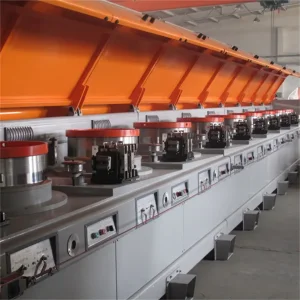
Straight-line drawing machines reduce wire diameter to final specifications. Controlled die cooling and lubrication protect the wire finish and inner powder density.
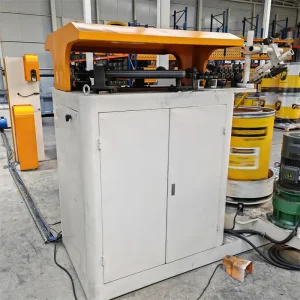
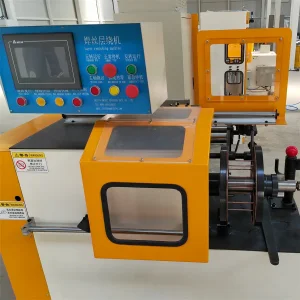
Ensures neat, layer-by-layer spooling. Consistent tension control prevents wire overlap, which is crucial for maintaining feedability during automated welding.
Supports drum packaging and spool packaging systems. Secure seal designs prevent atmospheric moisture pickup, preserving wire quality during transit and storage.
China has become a central hub for metallurgical processing equipment and wire production lines. The synergy between upstream raw material suppliers and downstream high-precision mechanical manufacturing allows Chinese factories to deliver robust machinery with short lead times.
Key strategic advantages include:
When selecting a supplier for weld wear production machinery, procurement teams should evaluate several factors to optimize total cost of ownership (TCO):
Expert answers addressing the key technical and procurement inquiries from global industrial buyers.
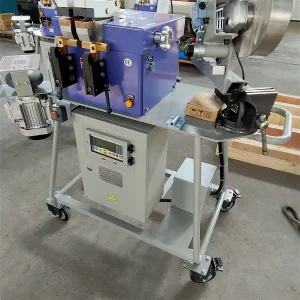
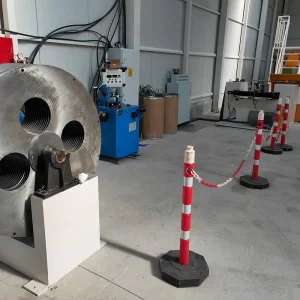
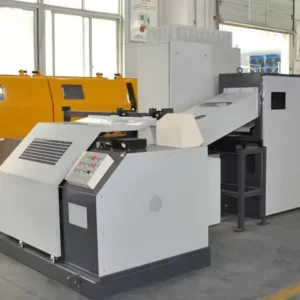
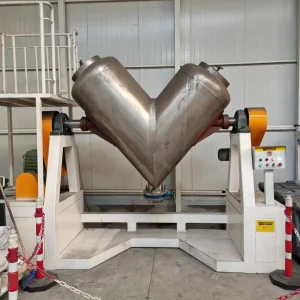
Additional processing machines, high-precision rewinders, packaging systems, and auxiliary production equipment.
 Orient PengSheng