Explore our premium technological range designed to manufacture superior hardfacing welding wires
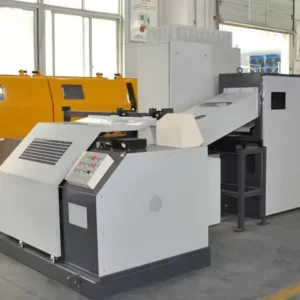
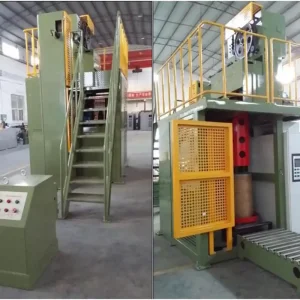
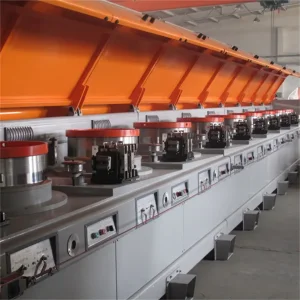
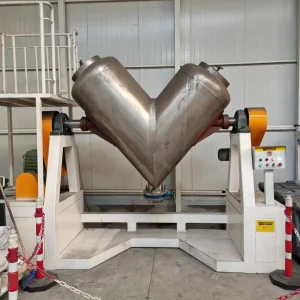
A global leader in high-performance flux-cored welding wire manufacturing technologies
Established in 2011, Beijing Orient Pengsheng Tech. Co., Ltd. builds upon over 20 years of intensive industry experience in the development, engineering, and supply of flux-cored welding wire (FCW) manufacturing machinery. Backed by solid European technical cooperation and continuous in-house technological innovation, we have established robust, proprietary intellectual property, advanced manufacturing methodologies, and quality management systems that set benchmarks in the metal cladding and surface protection fields.
Our core mission is to supply modern industrial operators with high-tech, highly efficient production lines capable of manufacturing premium-grade hardfacing welding wires. These finished consumables meet stringent international standards (such as AWS, EN, and ISO) and are designed to counter extreme abrasive wear, impact force, thermal stress, and corrosion across critical global industries.
We do not simply distribute generic machinery; we deliver complete turnkey technological ecosystems. From the initial steel strip preparation to ultrasonic cleaning, precise powder filling, high-precision drawing, and flawless layer spooling, our systems guarantee that your hardfacing welding wire meets the highest criteria for fill factor stability, chemical homogeneity, and structural integrity.
Our deep alignment with European technical standards ensures that all machinery manufactured under our brand delivers high operational efficiency, safety compliance, and exceptionally low maintenance cycles.
Strategic context regarding the necessity of premium hardfacing materials
Industrial machinery components face extreme working environments in heavy-duty sectors like mining, cement production, steel making, and energy generation. The main cause of mechanical degradation is surface wear, which manifests as sliding abrasion, impact erosion, adhesion, and high-temperature oxidation. The economic impact of component replacement and associated downtime is a significant challenge for heavy industries globally.
This is where high-quality hardfacing welding wires play an essential role. By depositing a wear-resistant alloy coating onto structural steels, operators can extend component life by 300% to 800%. Modern manufacturing requires hardfacing alloys to exhibit precise chemical compositions—incorporating chromium carbides, niobium carbides, or complex borides within martensitic or austenitic matrices. Producing these complex metallurgical alloys consistently requires high-precision manufacturing equipment.
Highly abrasive environments, such as those found in cement grinding and coal pulverizing, demand high-volume chromium carbide alloys (Cr7C3). Our production technology ensures a consistent, high powder-fill factor to guarantee uniform hardness across the entire overlay.
Heavy machinery handling rocks and minerals requires austenitic manganese steel coatings that work-harden under load. Our manufacturing lines produce wires with precise carbon-to-manganese ratios to ensure reliable in-service performance.
For applications such as continuous caster rolls in steel mills, the deposited weld metal must resist thermal cycling fatigue and oxidation. Wires require precise quantities of chromium, nickel, molybdenum, and cobalt to maintain high temperature stability.
Key quality metrics and parameters required by international industrial buyers
Enterprise procurement departments in sectors like heavy equipment manufacturing (OEMs) and rebuilding services apply strict quality standards when sourcing hardfacing welding consumables. For large-scale mining or infrastructure projects, selecting a supplier is based on verifiable quality metrics rather than unit cost alone. Key purchasing requirements include:
Verification of chemical consistency across all batches, guaranteeing that carbide density and wear profiles align with specified engineering targets.
Prevention of void spaces in the powder core. Inconsistent filling results in erratic arc stability, spatter loss, and variations in deposit hardness.
Precision layer spooling is required to prevent tangling during high-speed, automated cladding processes, reducing operator intervention.
Robust international certifications (CE, ISO, AWS) that confirm compliance with global safety, environment, and industrial performance criteria.
How high-grade hardfacing alloys perform under extreme industrial conditions
Hardfacing application procedures are selected based on the specific wear mechanism of the component. The table below outlines how specific hardfacing alloy designs address key industrial degradation mechanisms:
| Industrial Sector | Primary Wear Factor | Alloy Design Class | Hardness Target (HRC) |
|---|---|---|---|
| Mining & Excavation | Severe abrasion combined with impact shock | Chromium Carbide + Niobium Carbide Complex | 58 - 65 HRC |
| Cement & Aggregate | High-pressure grinding and rolling abrasion | Hypereutectic Iron-Chromium Alloy | 60 - 67 HRC |
| Iron & Steel Plants | Thermal cycling fatigue and oxidation | Martensitic Stainless Chromium Alloys | 45 - 55 HRC |
| Dredging & Drilling | Slurry erosive flow and corrosion | Tungsten Carbide dispersion in Ni/Co matrix | > 65 HRC (Matrix 40-50 HRC) |
The transition from legacy welding consumables to smart, eco-efficient cladding technologies
The manufacturing landscape for welding wire is shifting toward digitalization and environmental compliance. Key developments shaping the future of hardfacing technology include:
1. Chromium-Free Hardfacing Formulations: Due to health risks associated with hexavalent chromium fumes during welding, research is focused on developing chromium-free alloys that offer similar wear resistance. These alternatives utilize iron-based systems with titanium, boron, and niobium additions to generate hard phases without producing toxic emissions.
2. Smart Cladding & Digital Quality Systems: Modern cladding operations increasingly use robotically controlled GMAW (Gas Metal Arc Welding) and Laser Cladding systems. These setups require high wire consistency. High-precision layer rewinding and inline surface defect checks ensure wire feeds smoothly through long conduits without arc variation.
3. Advanced Composite Flux Cores: Adding nano-particles to the core flux helps refine the grains of the deposited metal, reducing cracking risk in hard surfacing layers. Achieving a uniform distribution of these fine particles requires advanced powder mixing and blending technology.
Four pillars supporting our reputation as a trusted technology supplier
We utilize advanced production technologies, with core machinery systems imported directly from Europe or built under strict licensing, guaranteeing precision mechanical operation.
Having supplied hundreds of specialized production lines globally, our technology is field-proven, highly stable, and capable of operating in diverse industrial settings.
All service personnel possess relevant engineering backgrounds. We provide pre-sales design support, on-site commissioning, operator training, and reliable post-installation service.
We work closely with customers to customize line configurations, powder feeding rates, and drawing profiles to meet specific hardfacing requirements.
Comprehensive processes designed to produce international standard flux-cored & solid wires
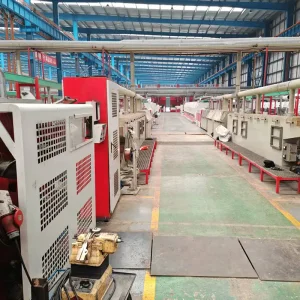
Beijing Orient Pengsheng Tech. Co., Ltd. designs and supplies all required machinery to construct a complete, modern flux-cored and solid welding wire production facility. Our process technology is divided into eight primary stages:
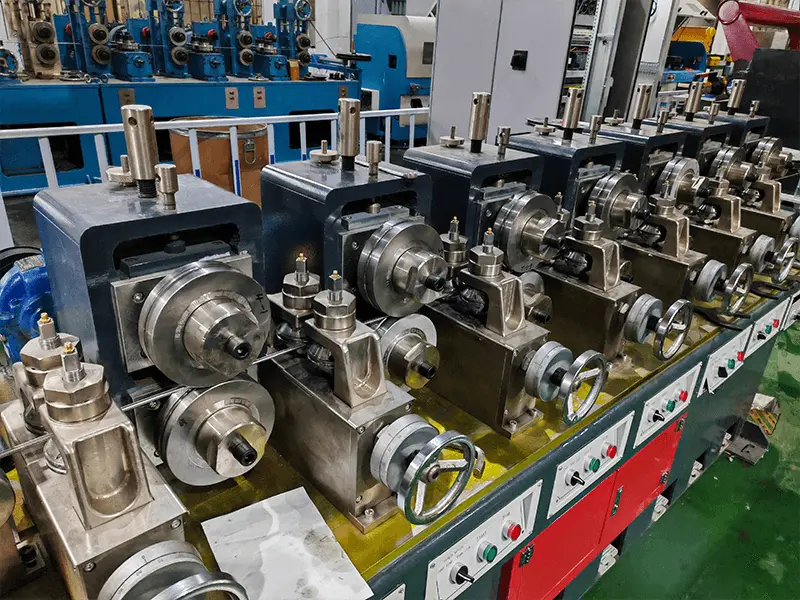
Converts wide steel coils into precise, narrow strips suitable for forming processes, ensuring uniform edges and slit width control.
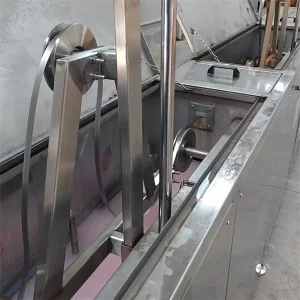
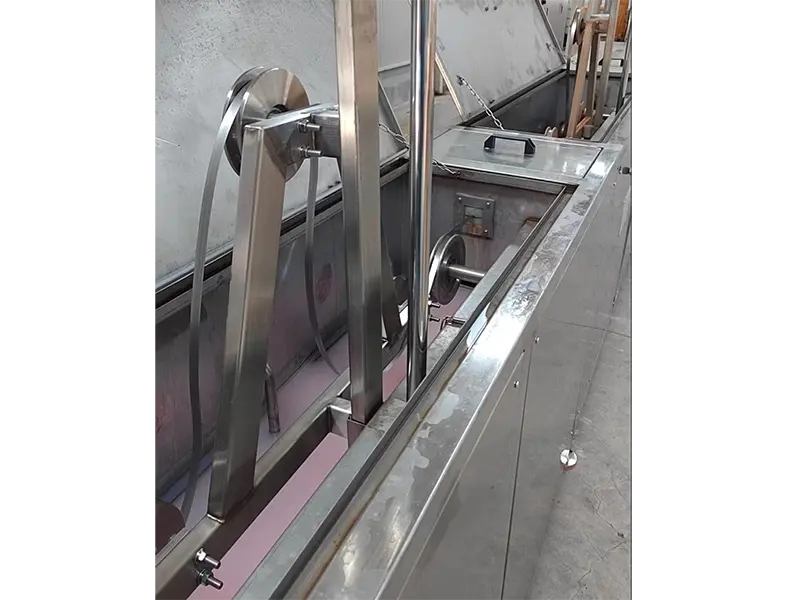
Removes oil, rust, and surface contaminants from steel strips, preparing the surface to ensure high-quality welding results.
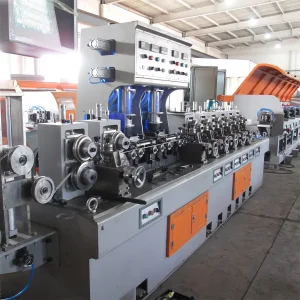
Progressively shapes the steel strip into a U-channel, fills it with core powder, and closes the profile using overlap or butt seam configurations.
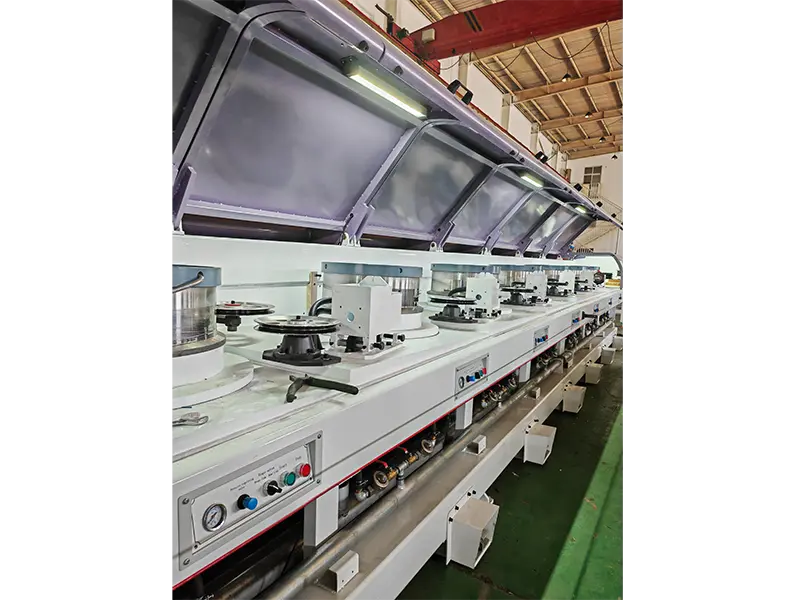
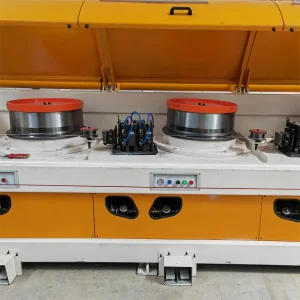
Reduces the outer diameter of the closed wire using straight-line drawing technology and rolling cassettes, compacting the core powder inside.
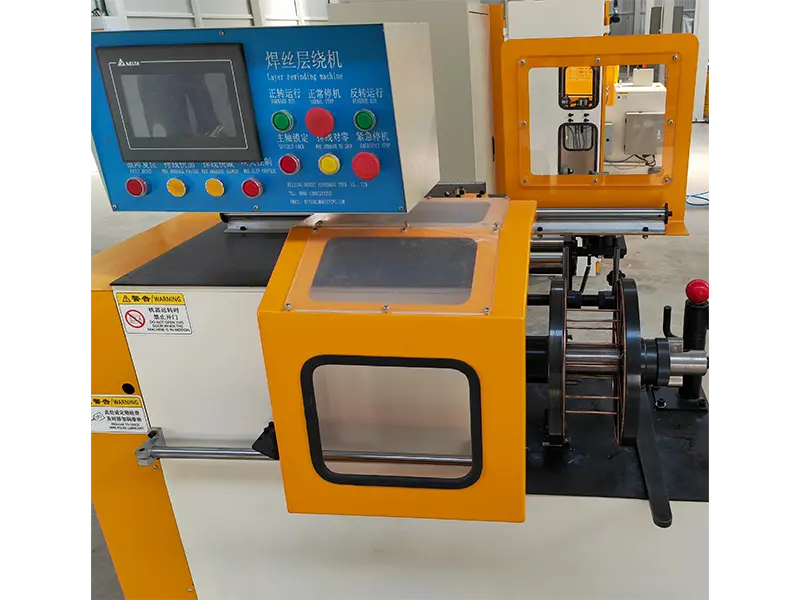
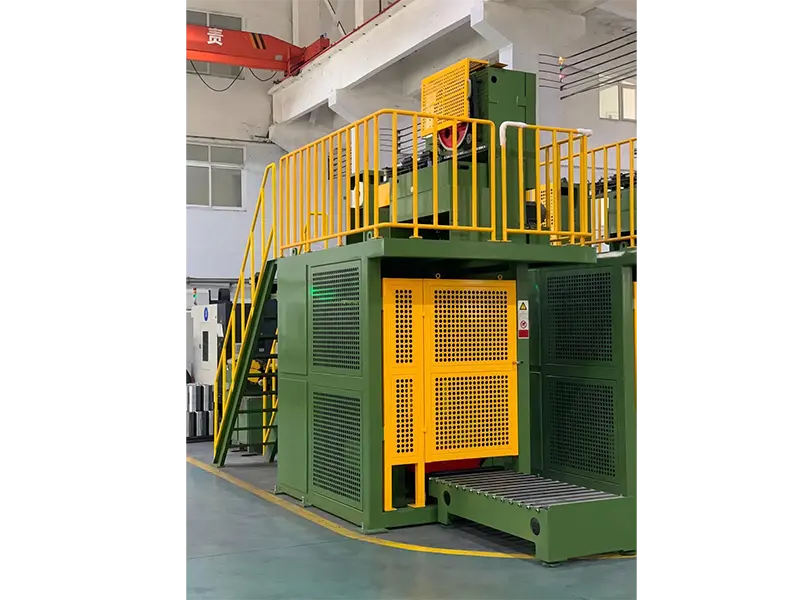
Winds finished wires directly into drums for bulk industrial applications, ensuring clean packaging and smooth wire feed behavior.
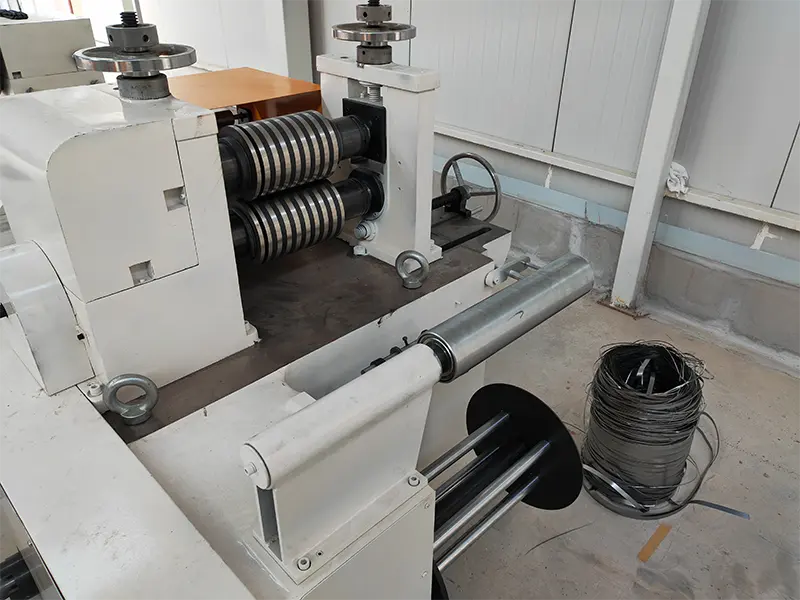
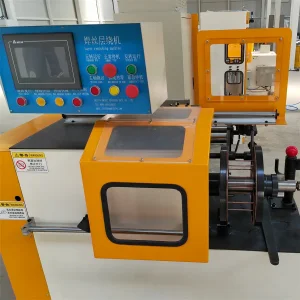
Winds wires onto plastic or metallic spools with controlled tension and pitch, preventing tangling and feed interruptions.
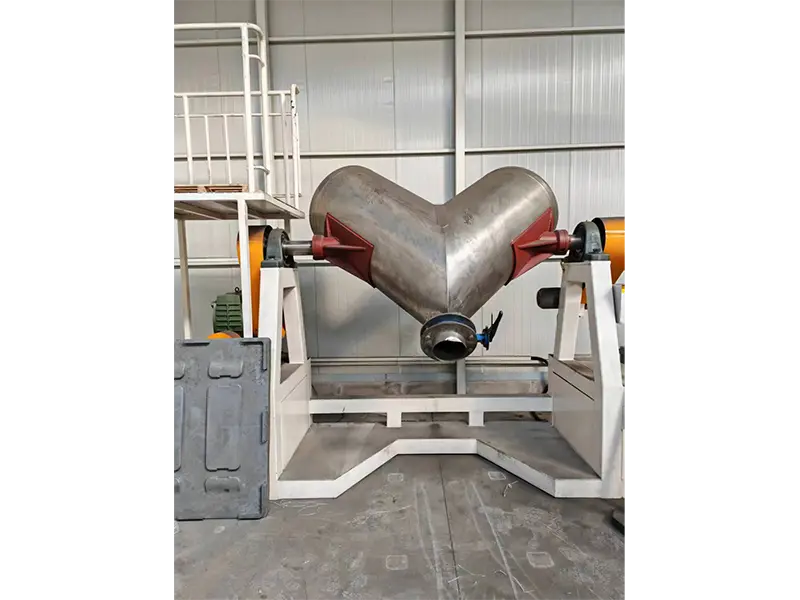
Includes powder mixing, baking, and vibrating mesh screen systems to ensure dry, homogenous flux powder mixtures.
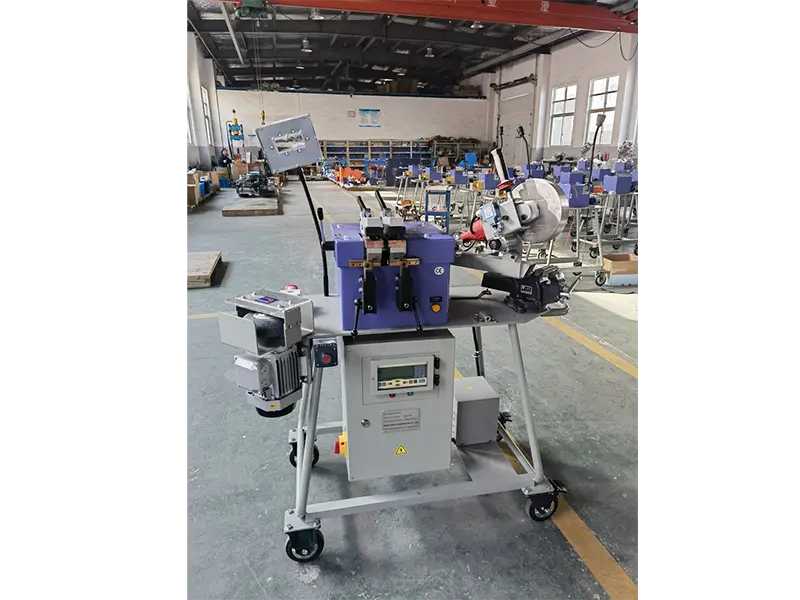
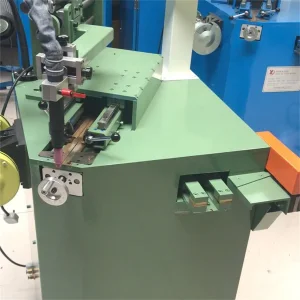
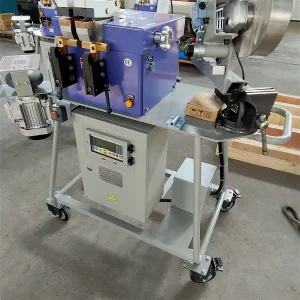
Includes high-accuracy strip butt welders and wire butt welders to enable continuous manufacturing operations.
Active international collaboration and comprehensive lifetime field service
We work with heavy machinery fabricators and welding consumable brands across Western Europe, the Americas, the Middle East, and Asia. Over the past decade, we have supplied more than 150 complete flux-cored wire manufacturing lines to over 10 countries.
We support global deliveries with comprehensive service packages, including detailed plant layout planning, mechanical installation, electrical setup, parameter optimization, and regular training. This support ensures fast production ramp-up and helps operators achieve their desired wire output quality.
Professional insights addressing technical questions and procurement requirements
Select machinery systems and components to support your production facilities
 Orient PengSheng