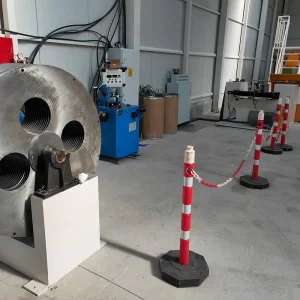
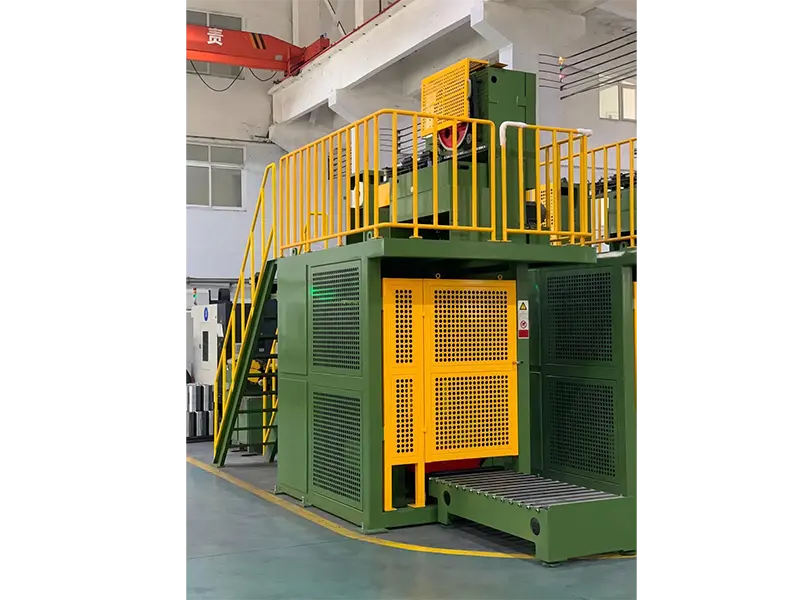
Designed for precise division of wider steel coils into multiple narrow strips with minimal camber and burrs, optimized for automated forming lines.
Technical Specs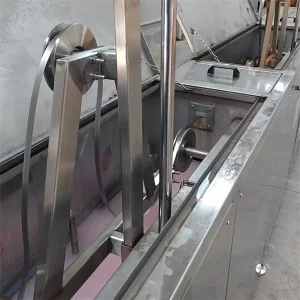
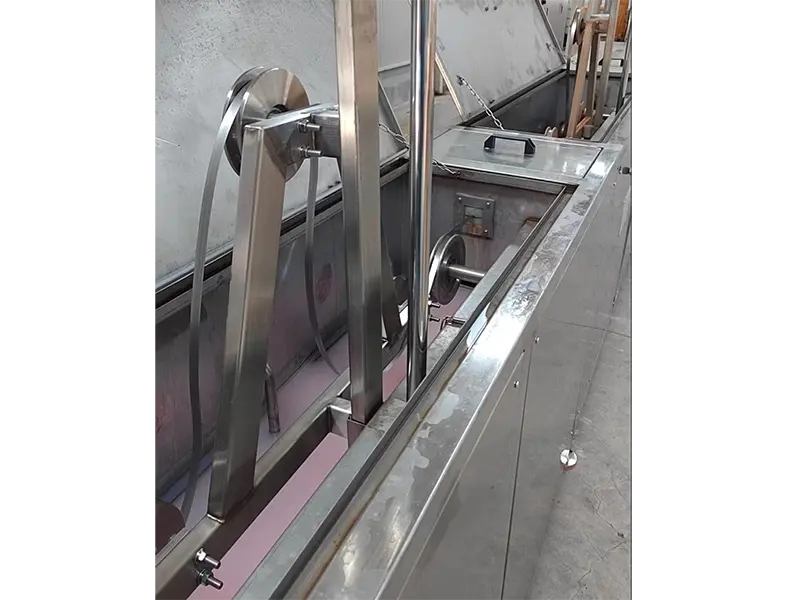
A critical cleaning step in modern metal processing, using high-frequency cavitation to strip contaminants before forming or welding.
Technical Specs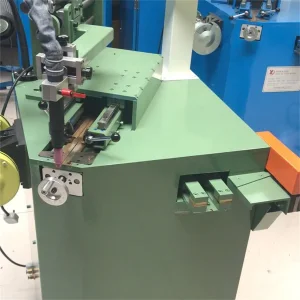
Provides high-accuracy alignment and seamless joint welding for continuous wire production and sheet metal feed mechanisms.
Technical Specs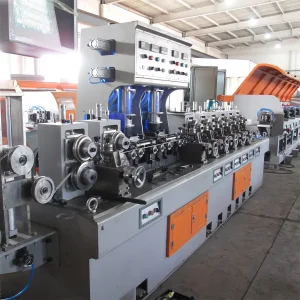
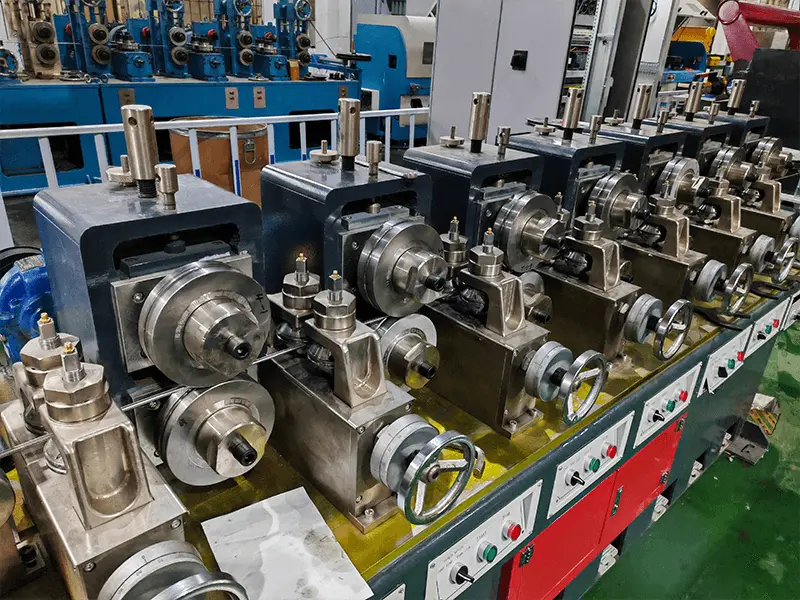
Precision-engineered tooling for high-speed continuous profiling of U-profiles and overlapping tubes, crucial for flux-cored wire.
Technical SpecsThe Greater Boston area, spanning from the historical industrial corridors of Route 128 to the specialized manufacturing clusters of Worcester and southern New Hampshire, is experiencing a profound transition in metallurgy. While traditionally recognized as a hub for software, biomedical engineering, and biotechnology, New England's structural manufacturing and advanced materials sectors are undergoing a massive technological pivot. Modern industrial complexes in New England require increasingly precise fabrication methodologies to support high-tech applications, including structural components for offshore wind farms, aerospace bracketry, custom HVAC ducting, defense systems, and the local wire processing plants that feed structural welding lines.
For manufacturers operating in Massachusetts, the procurement of a Steel Strip Slitting Machine is no longer just a purchasing decision regarding simple machinery; it is an investment in micro-tolerance capabilities. As global supply chains face fluctuating raw material qualities, local service centers and manufacturing facilities must possess the capacity to slit wide, hot-rolled or cold-rolled master coils down to specific, ultra-narrow dimensions with a maximum burr level below 5% of material thickness. The Boston industrial region demands machinery that can process high-tensile steels, advanced alloys, and low-carbon strips with absolute structural integrity, keeping mechanical stresses to a minimum to ensure subsequent processes—like forming, cold drawing, and high-frequency welding—can occur without material failure.
In high-speed production, even minor deviations in edge quality will result in downstream processing issues. If a steel strip is slit with excessive shear burr or horizontal camber, subsequent forming machines will experience misfeeds, micro-fracturing along the sheared edge, and rapid wear of the forming dies. For Boston's specialized manufacturing houses supplying the marine, aerospace, and renewable energy sectors, utilizing our high-precision slitting heads guarantees consistent width tolerances down to ±0.05 mm, minimizing scrap and preserving downstream die lifespans.
On a global scale, the metal slitting and coil processing market is adjusting to the demands of industry 4.0. Globally, manufacturing is transitioning from mass-production setups to dynamic, just-in-time (JIT) configurations where batch runs are shorter, materials are thinner yet stronger, and traceability is mandatory. In this environment, slitting machinery must feature modular cutting heads, automated knife positioning, and precise tension control systems that handle complex variables including variable yield strengths across a single coil width.
In the local Boston and wider New England market, the commercial reality presents distinct challenges. Real estate costs and energy tariffs in Massachusetts are higher than the U.S. national average. Consequently, local manufacturers must focus on floor-space efficiency and reducing energy consumption per metric ton processed. They cannot afford to operate oversized, energy-intensive legacy machinery that requires excessive downtime for manual cutter setup. The requirement has shifted toward compact, high-efficiency, multi-slip-shaft tension control systems and quick-change cutter heads that allow a single operator to perform tooling changes in under 15 minutes.
Beijing Orient Pengsheng Tech. Co., Ltd. was established in 2011. Drawing upon over 20 years of intensive field experience with flux cored welding wire manufacturing machines, and backed by our European technical cooperation, we have engineered an advanced portfolio of proprietary machinery and process know-how.
We focus on supplying complete production configurations that meet strict international regulations. Our technology allows businesses in highly demanding industrial markets, such as Boston and New England, to integrate reliable, high-yield manufacturing plants designed to perform with high uptime and consistent efficiency.
We utilize advanced manufacturing methodologies. Key components and toolings are sourced from leading European partners to ensure robust operational life under high stress loads.
With hundreds of operational machines and custom production lines commissioned globally, our systems have been tested against varying regional power grids, duty cycles, and steel standards.
All engineers are technically trained in metallurgical science and automated control systems. From remote diagnostics to physical deployments, we keep your machinery operating within tolerance parameters.
We gather operational feedback from our clients and apply updates to our mechanical and electrical platforms, ensuring that your capital equipment integrates the latest software updates.
Precision coil slitting systems are critical components for several local applications within the Boston industrial framework:
The base steel strip used for flux cored wire manufacturing must have uniform thickness and width to guarantee a steady, automated weld seam during the tube forming stage. Slitting errors here can cause powder filling inconsistencies, leading to voids in the finished welding wire.
Marine fabricators and defense contractors in the Boston Bay area require precision slitting of corrosion-resistant alloys. This demands slitting heads constructed with special tungsten carbide knives to prevent galling, metal transfer, and microscopic cracks along the sheared edge.
Large infrastructure projects around New England rely on metal studs, purlins, and customized channels. By processing high-tensile master coils locally with our low-carbon slitting lines, service centers can reduce transport overhead and respond rapidly to construction timelines.
In today's global supply chain environment, equipment procurement requires balancing capital expenditure efficiency with operational reliability. Partnering with a Chinese manufacturer like Beijing Orient Pengsheng offers distinct structural advantages for North American clients:
Integrating high-speed laser diameter sensors on the decoiler and recoiler. Automated PLC systems adjust torque continuously to compensate for coil diameter changes, maintaining constant tension to prevent strip stretching or slipping.
Moving away from manual spacing shims toward servo-driven automatic positioning tables. This minimizes operator error, reduces setup times from 45 minutes to under 5 minutes, and improves cut width accuracy to within microns.
Equipping slitting heads and butt welders with vibration sensors, temperature probes, and power signature analyzers. The system alerts maintenance personnel to blade wear patterns before edge quality falls below limits.
For operations in the United States, industrial equipment must comply with strict safety standards. At Beijing Orient Pengsheng, we ensure our machine electrical panels are built using UL-recognized components, high-quality PLC systems (such as Siemens or Allen-Bradley), and CE-marked components to ensure safety and simplify municipal electrical inspections.
Additionally, we recognize that local support is essential for minimizing operational downtime. We provide remote diagnostic access on all automated machinery control panels, allowing our engineers in Beijing to assist with system calibration and troubleshooting alongside your local maintenance technicians. If on-site intervention is required, our technical service team handles visa planning and travel arrangements to ensure timely, on-site commissioning and operator training.
We supply complete machinery lines to produce flux-cored welding wires that conform to strict international standards.
Splits master steel coils into consistent, narrow strips with low camber and burrs.
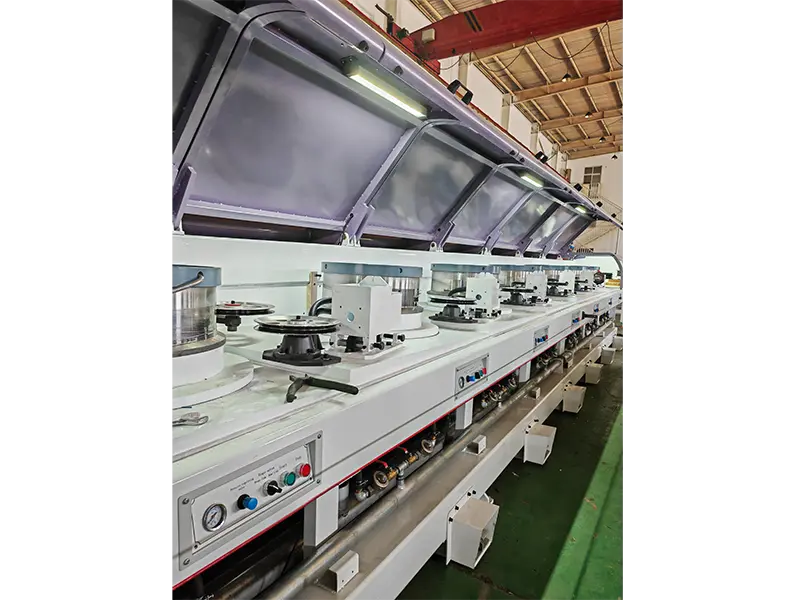
Removes residual oils and fine dust particles before mechanical forming.
Transforms the flat slit strip into a U-shape, fills it with flux powder, and closes the seam.
Reduces the tube diameter to final specifications while maintaining structural integrity.
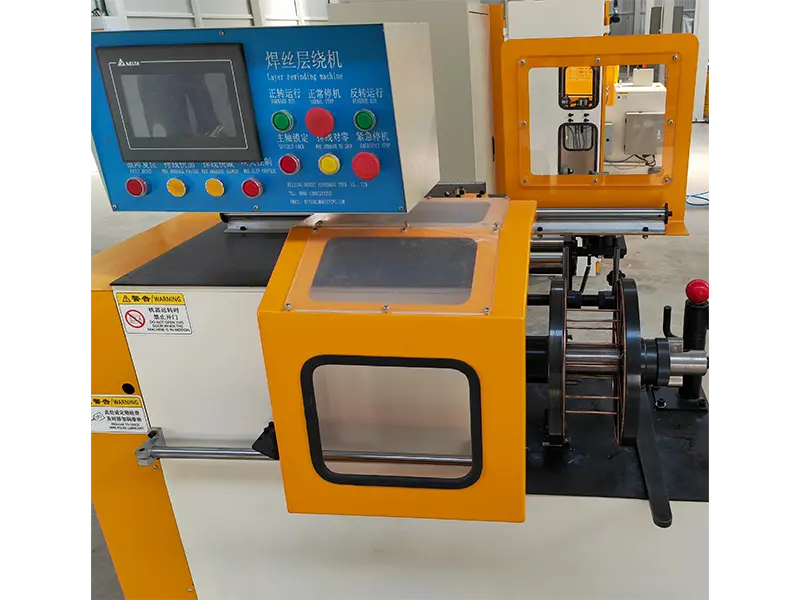
Coils the finished product into industrial distribution drums at high speeds.
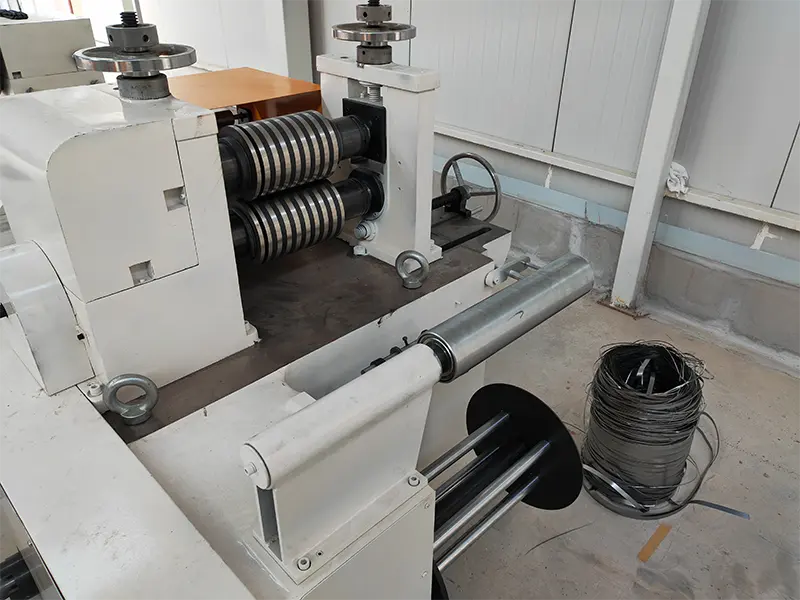
Winds wire onto standard spools with uniform tension and clean wire laying.
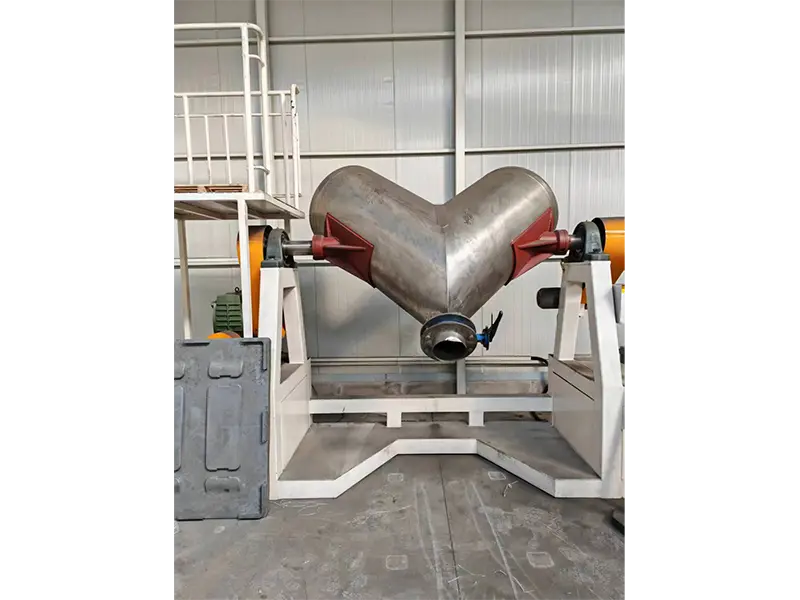
Includes mixing units, heating ovens, and mesh vibration machines for powder preparation.
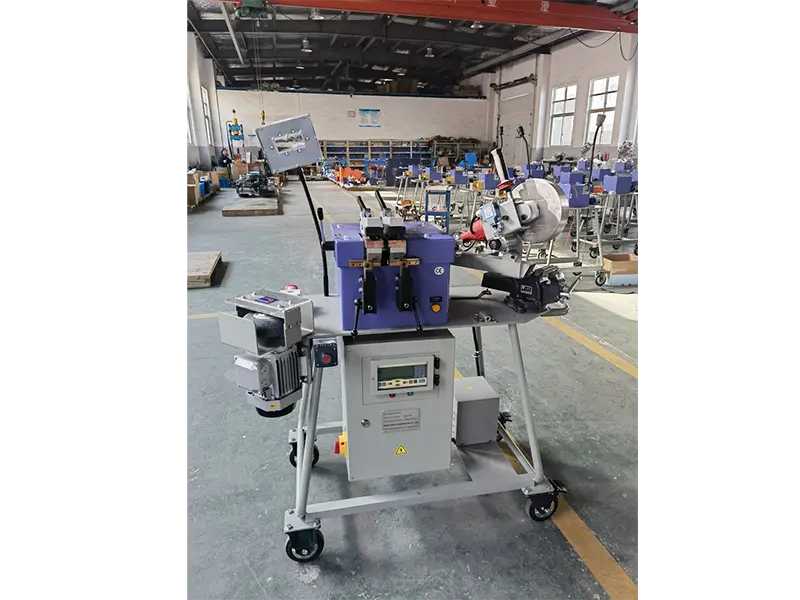
Featuring strip butt welders and steel wire butt welders to maintain continuous production.
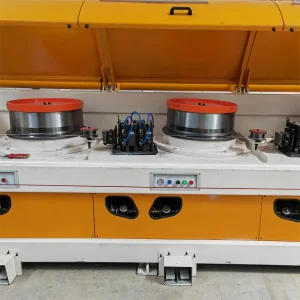
Equipped with straight-line wire pulling mechanisms, automated PLC speed compensation, and CE-compliant safety enclosures.
Technical Specs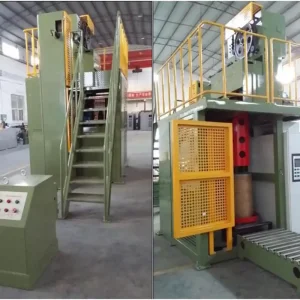
Designed for modern high-speed packaging configurations, providing stable filling metrics for industrial distribution.
Technical Specs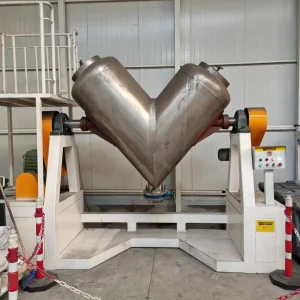
Provides highly uniform blending of chemical fluxes and alloy additives, a critical step for consistent flux-cored wire chemistry.
Technical Specs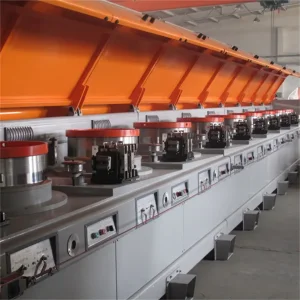
Tungsten carbide and diamond drawing dies paired with robust rolling cassettes for low-friction tube reduction.
Technical Specs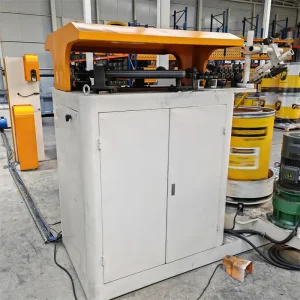
Features high-speed distribution arms designed to spool wire smoothly into standard barrels without twist or damage.
Technical Specs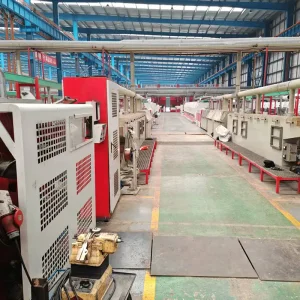
A complete production solution covering drawing, cleaning, copper-coating, and winding systems for solid MIG/TIG wires.
Technical Specs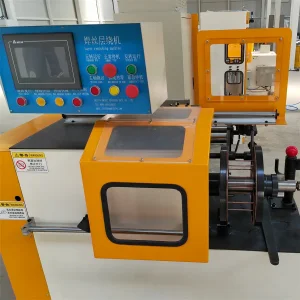
Provides precise layer-by-layer spool winding using a synchronized traverse system, helping prevent tangling during welding.
Technical Specs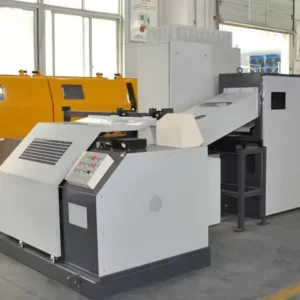
Designed for solid wires, this rewinder offers constant-tension control to deliver consistent layer profiles.
Technical SpecsOur slitting machines are engineered to maintain a width tolerance of down to ±0.02 mm to ±0.05 mm, depending on material thickness and grade. This precision is supported by our high-rigidity cutter shafts and tight-tolerance spacers, which minimize axial deflection during high-pressure shear cuts.
We configure optimal blade clearance parameters and use high-rigidity tool steels (such as H13, D2, or tungsten carbide). Proper blade engagement control prevents edge fractures, reducing shear burrs to less than 5% of material thickness to protect downstream forming dies.
Yes. We supply comprehensive layout blueprints, electrical schematics (which can be built using UL-recognized components), structural loading specifications, and system integration guides to help your engineering department secure local permits.
Our standard terms are a 30% deposit in advance by TT, with the remaining 70% balance paid by irrevocable L/C or TT against the copy of B/L. We can also coordinate with international trade finance groups to accommodate specialized corporate procurement processes.
We offer FOB, CIF, and DDU/DDP logistics terms. Heavy machineries are packed in heavy-duty export cases and secured in dry containers. We work alongside US customs brokers to manage harbor duties and terminal handling, coordinating delivery directly to your facility.
We provide a 12-month structural warranty starting from machine commissioning (excluding standard wear parts). Our post-sale support includes remote PLC diagnostics and direct field engineering dispatch for on-site troubleshooting, maintenance, and operator training.
 Orient PengSheng